In May 2014 I have brought my father to the wild Finland! I absolutely wanted to show him the brown bears of Finland and why not a few wolves, wolverines and arctic birds. I had heard some very good things about a place called Martinselkonen. Man, it did not disappoint at all!
This place consists of a big « luxury » hide and a few small hides. The big hide is a window to the life of the bears in the forest. This is very interesting and the place of a many bear activities. I have been to a few other places in Finland but as far as the bear are concerned, Martinselkonen is really special. It is some kind of bear galore! I never imagined we would see roughly 20 bears per night in this place: big males, young solitary males, females with 1 year old cubs or even lonely cubs.
The other 2 places hides are in a nice open area and prone to many passages of bears (going back and forth to the area close to the big hide). They provide very nice scenes too! We were particularly lucky to see some snow in this place (even a few snowfalls) as it goes particularly well with the bears.
We have seen all types of interaction: cubs mock fighting, young adult males fearing bigger guys, females with cubs teaching them to climb at the first danger, male and female flirting (mating season would be in just a few days/weeks).
Finally, we also went to Boreal Wildlife center and also had a great time there even though the bears a little shy here. We especially liked to see them running in the very deep and wet moorland!
Here are my 25 preferred pictures for those days:
Where luck was definitely with us is when a lonely wolf appeared in our vision. Seeing a wolf is much more difficult than seeing a bear (and this wherever you go)!
Spring is also a good time to do some birding! We spent a fantastic night waiting for the male capercaillie, but hell, how cold it was (-10°C)! We got quite a show with an early bird (starting at 3AM) starting a long display with very impressive attitudes and little squeakings. This bird is both beautiful and odd looking I must say!
We missed the star of all birds (the great grey owl) but we managed to see the Oural owl which is also a large owl!
Yes, Finland made it again and is still full of potential!
For those who like to look at my pictures on facebook or read my blog, it is no surprise that otters are animals that fascinate me. I had seen them already in Brazil (the giant river otter) but this time I thought I could give a try with Eurasian otters. So a trip was planned in Shetland Islands (Scotland). There I met with a great guy/guide named Brydon Thomason from Shetland Nature.
So the idea was to experience some good outdoors in the moorlands of Shetlands to try to approach some otters and since it was a good time, to watch the Northern gannet which is a very charismatic species of bird.
On the first day I went to Hermaness cliffs with Robbie, who is an enthusiast birder and we had a great day watching and photographing some of the 25000 couples that are nesting here.
Here are some pictures of the birds:
Shetland (especially when sunny) is very beautiful. I was lucky to see the most northern tip of the UK in a very sunny day!
But my main goal when coming to the Shetland Islands was to see the elusive European otter. And boy, it is a hell of a task to get the animal in the frame. I truly enjoyed it but it implied a lot of walking on the moorland, trying to find clues of the presence of the animal (like pugmarks or scats). From there we would scan the coastline on foot or with the binocular. Otters have a good hearing, a poor eyesight but a fantastic sense of smelling. So the idea is not be smelt which usually requires to pay much attention to the wind direction. We had a few very good approach and when they do not get a glimpse of your presence, you can actually be very close to the otters. Here are a few pictures of those nice moments we had with Brydon:
I enjoyed this experience and I am sure I will come-back at a different season. Good bye Shetland!
Sri Lanka is an island located at the east of the Southern tip of India. Although people look very similar to Indian people, it is really a different country. First it is really not as crowded as India, roads are in good shape and the island is mostly very clean. Sri Lanka has had his share of big issues like civil war and a deadly tsunami back in 2004 but it seems it is a growing country and that it is on good track to reconstruction.
Although I enjoyed the experience, let’s simply face it: not every wildlife photography trip is a great success. It obviously depends on your goals but when your main goal is not reached there is always a bitter taste to it.
So, besides enjoying this very nice country that is Sri Lanka when it is winter time in Europe, my main target was to improve my portfolio of Asian leopards which so far is rather thin with just one nice encounter in Sasan Gir in India (but pictures are certainly not my best of leopards).
So the mission was not a success. I have seen a few leopards from very far away. The reason for this is probably that one should not go in Yala (which is supposed to be the best place in Sri Lanka to see leopards) when it is Christmas or new years Eve time (I have even been told December even). It is a period of holidays in Sri Lanka and the country also gets the visit of a lot of foreigners. I have found Yala to be a beautiful place but at least at this period of the year it suffers from a terrible mismanagement. The number of cars allowed is probably 3 times what it should support. Everybody is coming with his own 4×4 and there is no quota at all. The outcome of this is that big cats do not want to show. I have seen lines of 50 vehicles or more just to catch the glimpse of a leopard in a tree 500m away. Sometimes, you just want to take a picture of a bird and there is always someone behind you pressuring so that you carry on! This was also sad to see the jungle traffic at the end of the day when too many vehicles are trying to go out of the park in a hectic race.
Anyway, when your main plan does not work, you have to have a plan B. In my case it was to get good pictures of Asian Elephants and of the many birds that this island hosts.
So here are a few pictures of the second star of the island: Elephas Maximus. Although it looks very similar to the African elephants it is a relatively distant cousin (Asian elephants are closer to the mammoth family for instance).
In Yala, I have attended a stunning natural history moment when a group of wild boars has taken over the carcass of a dead deer from the jaws of a mugger crocodile. The force of this group was much stronger than that of this lonely crocodile that had just to bail out from the scene.
Sri Lanka hosts also a good variety of mammals. I did not see bears, but I saw a couples of golden jackals, a few ruddy mongooses, wild boars, spotted or Sambar deers, water buffaloes, monkeys (langur or bonnet macaques), squirrels including the odd looking Giant Malabar squirrel (one specimen came several times close to our lodge) and a fantastic colony of Sri Lankan fruit bats (among the largest bats in the world).
Golden jackals:
Ruddy mongoose:
Asian wild boars:
Water buffaloes (it is hard to say « wild » as there is a lot of inbreeding with feral domestic cattle which is very sad since the wild ones tend to loose their majesty).
Sri lankan fruit bats:
hanuman langurs:
Bonnet macaques:
spotted deers:
Malabar giant squirrel:
Three banded squirrel:
Sri Lanka is also a very good place for birding. Once I was close to Rekawa lagoon and in the early morning I managed to be the witness of a incredible fight between 2 black winged stilts, witnessed by a 3rd stilt. I have really rarely seen something so violent.
Here are few species that caught my eyes during this trip.
Blue tailed bee eater:
Little green bee eater:
Chestnut headed bee eater:
Malabar pied hornbill:
Sri Lankan jungle fowl:
spotted dove:
peacock:
White throated kingfisher:
Brahminy kite:
Changeable hawk eagle:
Crested serpent eagle:
Crested hawk eagle:
Little Cormoran:
Pond heron:
Purple swamphen:
Cattle egret:
Great egret:
Red wattled lapwing:
White breasted waterhen:
Sri Lanka is also a good spot for reptiles like monitor lizard or mugger crocodiles:
Yala offers some delightful landscapes. I am sure it is even more enjoyable when it is not the peak season.
Sri Lanka is also a prime country for whale and turtle watching. I truly enjoyed a turtle watching evening (it was the second of my life and got again to see a turtle trying a spot to hatch on the beach) but the whale watching was not good for the same reason that Yala did not meet all my expectations: too many boats, too many people, permanent race after the simple sighting of a fin. So simply avoid this period, I’m sure the country will deliver any other time! As far as I am concerned with Asian leopard, I’ll try my luck in Kabini in India.
Comments
By Guillaume: Bravo! Passionné par la faune, je regarde votre reportage. je n’hésite plus le Sri Lanka sera ma prochaine destination.
The title simply means: Bear, Wolf and Wolverine in Finnish! ————– Le titre signifie simplement: ours, loup et glouton en Finlandais.
————– Last year, in Sweden, I have had a first experience with the boreal wildlife so I had said to myself I would come-back again (and probably again and again) to watch and photograph those wonders.
So, after a few days in Helsinki (thanks to our friend Tiina), in mid-July 2013, I headed to Kajaani and then Kuhmo with the main goal to see European Brown bears. So I went with Arctic Media (that I respectfully thank) to spend 4 nights in their photographic hides in the no man’s land in Finland close to the Russian border. Those were 4 special nights I must say for I have seen many bears, 2 wolverines and 3 gray wolves. ————– L’année dernière en Suède, j’avais eu une première expérience de la forêt boréale et de sa faune sauvage et je m’étais dit que j’y reviendrais pour observer et photographier ses merveilles.
Ainsi, après quelques jours à Helsinki (merci à notre ami Tiina), mi-juillet 2013, je mes suis rendu à Kajaani puis Kuhmo avec le but principal de voir des ours bruns européens. Je suis parti avec Artic Media (que je remercie chaleureusement) pour passer 4 nuits dans leur affuts photographiques dans le « no man’s land » près de la frontière Russe. Ce furent 4 nuits spéciales dois-je dire car j’ai pu observer bon nombre d’ours, 3 loups gris et 2 gloutons.
————– In mid-july, the long Arctic day (or short arctic night) allows a very long time for photography though between midnight and 3AM, it is rather tough to get your camera to actually trigger the shots. But as you are very well setup in the hide with steady screws to fix your ball heads you can manage to get good shots even with very low lights, high ISO setup (up to 12800ISO on the Nikon D4) and low shutter speeds (sometimes less than 1/10s). ————– A la mi-juillet le long jour arctique (ou courte nuit arctique) alloue un très long temps à la photographie même si, entre minuit et 3 heures du matin, il est parfois difficile d’arriver à déclencher. Mais, dans l’affut photographique, positionné de manière très stable grâce à une rotule vissée sur un support fixe, il est tout à fait possible de réaliser de bonnes images en basse lumière avec de hauts ISO (jusqu’à 12800ISO sur le D4) et de faible vitesses d’obturation (parfois 1/10s). ————–
The European brown bear is the star since he is so charismatic. It is called Karhu in Finnish. European brown bears are very shy, much more than their North American or far east Russian counterparts. That is why you can only see them from a hide. But contrary to a popular belief the bears of Northern Europe are bigger than let’s says the North American grizzlies (which would not be true for those of Southern Europe). They are smaller than the Kodiak bears though, who remain the biggest. All are brown bears but different subspecies, that’s all. ————– L’ours brun européen est une des « stars » du monde animalier, car c’est un animal charismatique. « Karhu » est son nom finlandais. L’ours brun européen est très timide, bien plus que son cousin américain ou russe. C’est pour cela que la seule façon de les observer est dans un affut photographique. Mais contrairement à une idée reçue, les ours d’Europe du Nord sont plus massifs que les grizzlis nord-américains (mais les ours d’Europe du Sud). Ils sont par contre plus petits que les ours de Kodiak en Alaska, qui restent les plus grands. Tous font partie de la même espèce mais simplement de sous-espèces différentes.
————– So here are a few of my favorite shots of brown bear during this last session. ————– Voici quelques unes de mes photos favorites d’ours brun de cette dernière session. ————–
First night. I Saw only one bear that night but with good light and nice cotton grass flowers. ————– Première nuit. Une seule observation d’ours en cette première nuit mais avec une bonne lumière et de belles linaigrettes en fleur. ————–
Second night. I saw 5 bears on that night with many interactions. One young and shy male started to visit the place but was forced to back off by a larger male. Then a very large female with 2 almost grown up cubs put on a nice show. The female had to walk like bears do with members spread when they want to make themselves more impressive. ————– Deuxième nuit. 5 Ours furent observés cette nuit là avec pas mal d’interactions entre eux. Un jeune mâle fut le premier occupant des lieux mais il en fut rapidement chassé par un plus grand que lui. Puis une grosse femelle fit son apparition avec deux « oursons » quasimment adultes ce qui offrit un beau spectacle. La femelle nous fit ce que les ours font quand ils veulent se rendre plus impressionnants à savoir marcher les pattes écartées sur le côté. ————–
Third night. Only 1 bear came on that night but I saw him very closely. He had a nice dark coat. I have seen 2 types of coat so far for brown bear: brown or blackish. ————– Troisième nuit. Seulement un seul ours mais venu très proche de mon affut. Un ours avec un très beau manteau sombre. J’ai vu deux types de manteau chez l’ours brun: brun ou noir. ————–
Fourth night. Close to a lake I have seen 3 or 4 bears (not so easy to be sure if one has not come-back at some point). I have had nice reflection of them on the water surface but unfortunately it was a bit windy so I could not nail a steady « mirror like » reflection. ————– Quatrième nuit. Près d’un lac j’ai pu voir 3 ou 4 ours (pas si simple d’être sur du nombre car il n’est pas exclu qu’un d’eux soit revenu après avoir quitté les lieux). J’ai eu de belles réflexions à la surface de l’eau mais il y avait trop de vent pour obtenir un effet miroir si recherché. ————–
On the third night there were 2 guests of honor, a pair of wolverines. At the very moment when I was starting to lose hope to see them and sleep was getting hard on me, in the dark I saw a form that reminded me to a small hyena. I was totally thrilled to see wolverines that are animals very difficult to see and very secretive. They are the largest members of the weasel family (mustelidae) and can be bigger than 20kg. Likewise ratels in Africa they can be fierce and they are able to keep a prey from much bigger animals like wolves or even bears at times. They are sometimes nicknamed skunk bear or glutton (for they are specialized in eating a lot of food at once which is an adaptation to a lack of prey in arctic and sub-arctic regions). ————– Lors de la troisième nuit d’affut, j’ai eu le bonheur d’avoir 2 invités de marque, en l’occurrence des gloutons. Au moment même où je commençais un peu à me désespérer de les voir, il faisait très sombre et le sommeil me gagnait, je vis une forme qui me fit presque penser à une petite hyène. Quelle excitation de voir cet animal si difficile à observer et si mystérieux. Les gloutons (ou carcajou) sont les plus grands membres de la famille des mustélidés et peuvent peser 20kg. Comme les ratels africains le feraient, ils sont connus pour être capables de tenir têtes à de très grands carnivores (comme les loups et parfois les ours). Le nom de glouton leur vient de leur capacité à manger une très grand quantité de nourriture en peu de temps ce qui est certainement une adaptation à un manque de proies dans l’Arctique ou les régions sous-arctiques. ————–
We also had 3 special guests on the second night as we had the visit of 3 gray wolves including a white alpha female rather well known in the area. Wolves are fabulous animals and much shier than one would believe (as they are always depicted as fierce and « evil » animals). They are very difficult to see in the wild and victim of witch hunting in my opinion. ————– Nous eûmes aussi 3 visiteurs d’exception la deuxième nuit, en l’occurrence 3 loups gris avec une femelle alpha blanche (connue dans les environs). Les loups sont des animaux fabuleux et beaucoup plus timides que l’on pourrait le croire (ils sont souvent dépeints à tort comme féroces ou « diaboliques »). Ils sont pourtant très difficiles à apercevoir dans la nature et donc de fait victime d’une vraie chasse aux sorcières. ————–
There were also a few nice bird species to watch: ————– Il y a aussi quelques belles espèces d’oiseaux à observer: ————– laughing gulls/mouettes rieuses:
common raven / grand corbeau:
white tailed eagle / pygargue à queue blanche:
woodpeckers / pic-verts:
And to finish, some of the nice landscapes of the Taïga forest / et pour finir, quelques uns des beaux paysages qui m’ont été offerts dans la Taïga:
All in all I have really enjoyed the finnish experience. The weather was not perfect so the lights have not been as great as expected and the animals have been mostly active when it was rather dark (although never completely dark) but I have managed to get some good pictures though. And just seeing wolverines and wolves is an immense privilege for me. I’ll definitely come-back again in Finland maybe at different season like end of April for the beginning of the bear season or October to enjoy the nice lights and colors of the Taïga at fall. ————– Au bilan, j’ai vraiment apprécié cette expérience finlandaise. Le temps n’a pas été parfait, de fait les lumières pas aussi exceptionnelles qu’attendues et les animaux furent surtout actifs quand il faisait sombre mais je pense avoir réalisé de bonnes images malgré tout. Juste apercevoir des gloutons et des loups est déjà un immense privilège pour moi. Je reviendrai en Finlande à n’en pas douter, peut-être à un moment différent de l’année comme fin Avril (le début de saison, les ours sortant d’hibernation) ou en Octobre pour profiter des belles lumières et des couleurs d’automne de la Taïga.<a href="http://www.facebook.com/JulienBouleWildlifeNaturePhotohttp://www.facebook.com/JulienBouleWildlifeNaturePhoto
Comments
By Nicole: FABULEUX….EXTRAORDINAIRE….MAGNIFIQUE MERCI DE NOUS PARTAGER CETTE BEAUTÉ SAUVAGE,JE LE PARTAGE AVEC MES AMIS.
By Patricia Colin: Quel merveilleux moments vous avez dû passer! Fantastiques photos. J’adore. merci
By Nathalie VILLETTE: TRÈS BELLE PHOTOS de la fauve du nord!! et bravo pour votre patience qui fut fructueuse!!
By Gilles: C’est saisissant, surtout les oiseaux. Merci de nous prêter vos yeux par ces photos splendides.By nathalie: Que dire devant un tel spectacle, tout simplement magnifique, quelle satisfaction pour vous d’avoir pu photographier tout ces beaux animaux!!!!
By Julien Boule: Un grand merci à tous!
By John Donaldson: Some absolutely magnificent shots as always, Julien.
After a splendid start of trip in Gujarat I went to Maharastra with a short stop to Nagpur in order to reach the Tadoba Andhari National Park. The 40°C had been very impressive in Gujarat but no less than 47°C were coming ahead! So why go at this period of the year called the « indian summer »? Well the reason is rather simple, it is the best period to see tigers in the wild. The places are usually very dry, the leaves have all fallen and the tigers are moving a lot since the water bodies have really shrank. This makes the tiger more visible. ————– Après un superbe début de voyage au Gujarat, je me suis rendu dans la Maharastra – avec un arrêt rapide à Nagpur – pour me rendre au Parc National Tadoba Andhari. Les 40°C reçus dans le Gujarat furent déjà impressionnants mais pas moins de 47°C (à l ‘ombre!) m’attendraient finalement! Alors pourquoi se rendre à cette période de l’année appelée « l’été indien »? La raison est très simple, c’est la meilleure période pour voir des tigres sauvages. Tout est très sec, les feuilles sont tombées et les tigres bougent beaucoup car un grand nombre de points d’eau ont disparu ou du moins considérablement rétréci. Cela rend évidemment les tigres plus visibles.
————– After an eventless travel from Nagpur I arrived to my lodge, the Irai Safari retreat and met Mr. Shishir, the manager who is one of the kindest person I have ever met! Later I met with Ashish my guide for the stay. On the first day we started at 2:30PM because Ashish wanted to be in the very first in the line at the entrance of the park. ————– Après un trajet sans encombre depuis Nagpur, me voilà arrivé à mon lodge, le « Irai Safari Retreat » ou je rencontre Shishir, le manager qui est certainement une des personnes les plus courtoises que j’ai jamais rencontrées. Un peu plus tard, je rencontrerai Ashish mon guide pour le séjour. Le premier jour, nous partîmes à 14h30 car Ashish voulait être dans les premiers à entrer le parc.
————– It was 47°C and more in the sun and though I like heat, this kind of temperature is very hard on your body. You barely enjoy the safari until 4:30PM when the sun is lower! On the first day, my head almost over-heated so I quickly understood why people need to wrap themselves into long scarf, to avoid drying out. ————– 47° accablants et plus au soleil et même si j’aime la chaleur, ce type de température est définitivement très « dur sur le corps ». Ainsi, on ne commence à apprécier le safari qu’à partir de 16h30 quand le soleil est déjà plus bas! Le premier jour, ma tête a presque surchauffé et j’ai ainsi compris pourquoi tout le monde enroule une longue écharpe du cou jusqu’au sommet de la tête.
————– So it finally started and I was excited to be in a tiger park at the best season. I wondered how it would be compared to Ranthambhore (2011) and Kanha (2010), places where I had already seen tigers. I had many good sightings in Ranthambore including the famous « star male » but I had missed the legendary Macchli tigress. Kanha was beautiful as a park but encounters with tigers had been rarer and the best one had been during the « tiger show », on an elephant back where me managed to be very close to a « royal » female. Compared to those 2 first times in India, I had switched gear from Pentax to Nikon and steadily improved my photographic technique so I was hoping for the best. So, on sunday 19th of May, it did not take long before we actually spotted a tiger close to the Tadoba lake. We had searched close to the Telia lake but saw nothing and had headed to the Tadoba Lake where the Panderpauni female made a gracious appearance in the water with a nice sunset light. A nice moment but at the very last possible end of the first safari and we had to rush back to Moharli Gate (the main entrance). ————– Tout commença donc et j’étais assez « excité » d’être dans un parc à tigre à la meilleure saison. Je me demandais comment cela serait en comparaison de Ranthambhore (2011) et Kanha (2010), des endroits où j’avais déjà vu des tigres. J’avais eu plein de belles rencontres à Ranthambhore dont le « star male » mais javais manqué la légendaire tigresse Macchli. Kanha avait été superbe mais les rencontres avec les tigres furent plus rares et la meilleure fut pendant le « tiger show », à dos d’éléphants ce qui nous permis de nous approcher très près d’une femelle « royale ». Comparé à mes 2 précédents voyages en Inde, j’avais opéré un changement notable de matériel en passant de Pentax vers Nikon et j’avais, je pense, amélioré aussi considérablement ma technique photographique donc j’espérais pour le mieux. Donc en ce dimanche 19 mai, il ne nous en fallut pas beaucoup pour voir notre premier tigre, près du Lac de Tadoba. Nous avions cherché autour du Lac de Telia mais sans succès et nous nous étions repliés vers le Lac de Tadoba où la femelle Panderpauni fit une apparition des plus gracieuses dans l’eau à la lumière d’un coucher de soleil naissant. Un très beau moment mais à la toute dernière minute du premier safari et nous dûmes rapidement retourner à Moharli gate (l’entrée principale).
————– The next day in the morning, the first encounter I got with a large carnivore was with a sloth bear at a waterpoint, my first one with a face to face but the bear got scared quickly. Later on we would also get a glimpse of the « Wagdoh male » (wagdoh meaning « deep water » since he likes to live around the Telia lake), one of the « stars » of the park. He was lying in some kind of muddy creek to cool off from the building heat. That was rather far. Apparently we had missed him swimming in the lake because we were too far at the Tadoba lake. The problem is that when there is no sighting, you are tempted to drive back and forth between the lakes and this can sometimes lead to missed of brief sightings which is part of the game after all. ————– Le jour suivant, au matin, la première renconte avec un grand carnivore fut avec un ours lippu à un point d’eau, mon premier avec un face à face mais l’ours inquiet s’enfuira bien rapidement. Un peu plus tard, il fut possible d’observer le « Wagdoh male » (wagdoh signifie « eau profonde car il aime vivre autour du Lac de Telia), un des « stars » du parc. Il était étendu au loin sur un petit ruisseau pour se rafraichir de la chaleaur naissante. Nous l’avons raté en train de nager dans le lac de Telia car nous étions trop loin au Lac de Tadoba. Le problème est que lorsqu’on ne voit pas grand chose on est tenté de rebondir entre les 2 lacs et cela conduit à des ratés ou des rencontres très brèves mais cela fait partie du jeu sans aucun doute.
————– So far, everything went well but I was just hoping for a little more. Well then, I was going to receive it big time in the afternoon safari of that same day (monday)! This time we had chosen to drive around the Telia lake and not « disperse » or lose time between the two lakes. It was kind of gambling that something would happen here instead of somewhere else but this it, there is no way one can guess anything as the animals roam freely in the park. So around 5:30PM after several loops around the Telia lake, Ashish spotted on the trail one of those 4 « Telia cubs », a daugther of the Wagdoh male. Those 4 female cubs, almost grown up now (18 / 19 months at that time) have been quite famous for the recent year since they provided a lot of interactions together for the happiness of many photographers. This time, the female was alone and we were with her alone for the first few minutes and following slowly, giving her the necessary space. But this is where the magic began! Suddenly in my viewfinder a sloth bear (ursus melursus) came out of the forest and I had a tigress and a bear in the same frame (rather distant from each other still). The tigress realized the presence of the bear and started to follow him. That was thrilling! ————– Jusque là tout allait bien mais j’espérais juste un tout petit peu mieux. Mais alors, j’allais vraiment rececevoir quelque chose d’extraordinaire en la matière lors du safari de l’après-midi de ce même jour (lundi)! Cette fois-çi, nous avions choisi de tourner autour du Lac de Telia et ne pas trop nous disperser ou perdre de temps entre les 2 lacs. C’était un peu un pari que quelque chose se passerait à cet endroit plutôt qu’ailleurs mais on ne peut jamais rien prédire en la matière car les animaux errent librement. Mais autour de 17h30, après plusieurs tours du Lac de Telia, Ashish aperçut une tigresse sur le chemin, une des 4 femelles des « Telia cubs » (cub = bébé ou jeune pour les grands carnivores), une des filles du « Wagdoh male » (as known as scarface by the way). Ces 4 jeunes femelles (18/19 mois à l’époque) presque adultes ont été assez célèbres pendant la dernière année du fait de très nombreuses interactions entre elles pour le plus grand bonheur des photographes. Cette fois, la femelle était seule et nous profitâmes d’un rare moment de solitude avec elle pendant quelques minutes tout en la suivant lentement pour lui laisser l’espace nécessaire. Mais c’est à ce moment là que la magie opéra! Soudain dans mon viseur, un ours lippu apparut de la forêt et j’avais une tigresse et un ours sur la même photo (assez distants l’un de l’autre à ce moment). La tigresse réalisa la présence de l’ours à ce moment précis et décida de le suivre. Quel frisson!
————– Anything is virtually a prey for the tiger let alone an inexperienced one. Tigers of the russian far east (Amur Tigers) are known to have preyed on brown bears for instance. But usually sloth bear are very difficult preys though. They are rather small bears but fierce with long claws. But this young tigress, she thought she could still give it a try (ah the innocence of the young!)! So she followed the bear from a distance. ————– Tout est virtuellement une proie pour un tigre et particulièrement un tigre inexpérimenté. Les tigres de Russie Orientale (tigre de l’Amour) sont connus pour avoir pris des ours bruns comme proie! Mais habituellement l’ours lippu est une proie bien difficile. Ce sont en général des ours assez petits mais très féroces et avec de très longues griffes. Mais cette jeune tigress, elle crut bien qu’elle pourrait tout de même fiare une tentative (ah l’innocence de la jeunesse!)! Elle continua donc de suivre l’ours à distance.
————– At some point, the bear went in the hiding in the forest and we thought that was it. So did the tigress probably! ————– Au bout d’un moment, l’ours se décida à se cacher dans le couvert végétal et notre impression fut que la scène en resterait là. C’est probablement aussi ce que la tigresse en comprit!
————– But suddenly, coming out of nowhere, the bear rushed out with an outsanding roar! The tigress got completely hit by the surprise and had to litterally jump back and forward. What a moment!! ————– Mais soudain, déboulant de nulle part, l’ours se rua vers elle avec un cri phénoménal! La tigresse en fut prise d’une grande suprise et en fit littéralement des sauts en arrière et en avant! Quel moment incroyable!
————– This next image is my favorite! We can almost hear the grumpy bear! ————– L’image suivante est ma favorite! On peut presque entendre l’ours furieux!
————– The bear had to make a statement (again) that he was no easy food and the tigress got the point very well. Finally they seemed to go their own separate ways! ————– L’ours du mettre les choses au point (encore) pour faire comprendre qu’il ne serait pas un repas aisé pour la tigresse qui comprit très bien la chose! Finalement, ils semblèrent reprendre chacun leur chemin propre!
————– Many gypsys were behind us and had witnessed this encounter too! After they separated, my heart was really pouncing and everybody was looking at each other unbelievingly! We could hear a fly pass in the air! Ashish and I had been lucky at several level here: we were the first to spot the tigress, then this bear came, then I was ideally positionned when everything started with settings ready for action on my camera (Continuous mode with 3D tracking on). This kind of big carnivore interaction is usually very rare since they usually prefer to avoid each other and that is why this is something we are all desperate to see! But there I nailed it on my memory card and I will always remember it and keep it so special! But as always, the show must go on and we continued to follow the tigress. She moved closer to the lake. ————– Plusieurs gypsys (jeeps) étaient derrière nous et de nombreuses personnes purent aussi témoigner de cette « rencontre au sommet ». Après qu’ils s’eurent séparés, mon coeur battait la chamade et tous les témoins se regardaient entre eux, interloqués! On aurait pu entendre une mouche voler! Ashish et moi-même furent chanceux à plusieurs égards: nous fûmes les premiers à repérer la tigresse , puis cet ours arriva et enfin, j’étais idéalement placé quand tout démarra avec mon appareil prêt (Mode AF-C avec suivi 3D). Ce genre d’interaction entre grand carnivore est en général très rare car ils préfèrent s’éviter et c’est ce qui explique que nous soyons tous tellement prêts à tout pour les voir! Mais ici, je l’ai mis dans la boîte, sur mes cartes mémoires, je m’en souviendrai toujours comme d’un moment si spécial! Mais voilà, comme pour toute chose, le spectacle doit continuer et nous contuâmes de suivre la tigresse. Elle se rapprocha du lac.
————– But then at some point, she started to lie down and take a stalking position and wait… the bear was here again but did not notice her in the first place. ————– Au bout d’un moment, elle s’allongea et prit une position caractéristique de traque et attendit.. l’ours était encore là mais cette fois il ne s’apperçut pas de la présence de la tigresse.
————– Bears have poor eye-sight but incredible sense of smelling (maybe the best of all carnivores) so he probably suddenly got a « fragrance » of the tigress and suddenly charged her again to force her to back off. Wow! ————– Les ours ont une mauvaise vision en général mais un odorat incroyable (le meilleur de tous les carnivores) et il eut probablement une « fragrance » de la tigresse et se mit subitmeent à la charger pour la forcer à renoncer. Wow!
————– After his second win, the bear went his way and the tigress calmed down. ————– Après cette deuxième victoire, l’ours reprit son chemin et la tigresse se résigna à la laisser.
————– So that was it, the best wildlife sighting I ever had in my life so far, like if the time was suspended during this period! For the next days, it would be hard to top this. On the next day (tuesday), the park was closed but the buffer area was open. This part is adjacent to the core area but it is thought to host a smaller density of tigers. So we were in, Rahul replacing Ashish that had to go back for the day to Chandrapur. A few vehicles at the gates, everyone following their own path. So we were enjoying the early and still fresh morning, watching the Irai lake, as it was not yet too hot when suddenly Rahul said « Tiger , Sir ! ». I could hardly believe it: a handsome young male was lying on the ground and watching us. ————– Donc s’en fut fini, le plus poignant moment d’observation de la faune que je n’ai jamais vécu jusque là, comme si le temps s’était supendu pendant cette événement. Il serait difficile de faire mieux à l’avenir! Le jour suivant (mardi), le parc était fermé à l’exception de la zone tampon. Cette partie est adjacente à la zone de coeur mais on pense qu’elle abite une densité moindre de tigres. Donc nous y voilà, Rahul remplaçant Ashish qui dut rentrer pour la journée à Chandrapur. Quelques véhicules à la porte, chacun choisit son chemin. A peine étions nous en train de nous délécter de la tièdeur matinale, en contemplant le lac d’IRAI, que Rahul s’écria: « Monsieur, un Tigre! ». Je n’en croyais pas mes oreilles: a magnifique jeune mâle se tenait sur le sol, en train de nous regarder.
————– But he soon decided to leave. It was really nice follow him and to observe him at the very moment when the golden light is there. At some point he stopped and stared into the high grasses then saw some chitals, rushed into the grass but got unlucky! ————– Mais il se décida rapidement à s’en aller. C’était vraiment sublime de le suivre et de l’observer à ce moment si spécial où la lumière dorée l’éclairait délicatement. A un moment, il se figea, regarda dans les hautes herbes, aperçut quelques cerfs axis et se rua dans l’herbe mais sans rien attraper.
————– At this very moment, we managed to pass in front of him so I was able to see him from the back of the gypsy! And what a moment I got! It was even hard to dream I would ever get such a face to face with this magnificent creature! It was thrilling and chilly at the same time for the power of his stare is extraordinary! ————– A ce moment là, nous en profitâmes pour passer devant lui et je pus ainsi le voir venir depuis l’arrière de la jeep! Et quel moment d’anthologie se fut encore! C’atit même difficile de rêver à un tel face à face avec cette créature merveilleuse! C’était palpitant et frissonnant en même temps du fait de l’intensité extraordinaire de son regard!
————– This has to be one of the purest moment of wildlife watching of my own life. It is usually not very easy to get great eye contact picture with tigers so I considered myself blessed for that! Other people would missed him for a few minutes and we would briefly see him a bit later, swimming in the distance. We would see nothing in the afternoon.
Well, one can imagine that I had no pressure after those first days so anything would just be a bonus! So the next day, Ashish was back and we were the first in the line to enter the park. But a crew filming for Discovery channel got a permission to enter a little earlier. We then drove in the park and came across 1 of the telia cub being filmed as she was walking on the main road and scent marking here and there! ————– Ce fut encore un moment de vie sauvage les plus prodigieux de ma vie. C’est en général difficile d’obtenir un contact visuel appuyé avec les tigres et je me suis donc considéré comme béni pour ça! D’autres personnes le ratèrent de quelques minutes mais nous le reverrions un peu plus tard, en train de nager au loin dans le lac d’Irai. L’après-midi fut vierge d’observation par contre.
Il n’est pas difficile de comprendre que je n’aurais plus trop de pression pour les jours restants de mon séjour. Le jour d’après (mercredi), Ashish était de retour et nous fûmes encore les premiers dans la file pour entrer dans le parc! Mais une équipe de tournage de « Discovery channel » eut la permission d’entrer un peu en avance. Et en conduisant dans le parc, nous tombâmes sur une autre femelle des « Telia cubs » en train d’être filmée alors qu’elle vagabondait sur la route principale tout en marquant ça et là.
————– Days rarely disappoint in the summer in Tadoba. It is insanely hot but you see some good action with the striped cats for sure (and I have seen tigers every day)! However since the Supreme Court of india commanded last year for stricter rule applications in the Tiger parks throughout India, the park autorities have decided to close around 80% of the roads that were once opened in the core area of the park before. I was told by Indian friends that they had lesser sightings in May than they have had in their previous trip in January so this decision of closing so many roads could become an issue in the future. When the Telia cubs (that have been the attraction for many months now) will disperse, it might be more dfficult to spot tigers. More-over, I agree that tigers will have less vehicles on their back but how do we know that poachers will not do their dirty job at ease now that the tourists are not there to « monitor » the park? This is a question that will be answered in the upcoming months probably.
On the next day, we would meet with 3 of the 4 telia cubs (all female). We would see them marking, stalking chitals in the very high grasses and pouncing at each other! It is clear why they have been the stars of Tadoba for 15 months or so!
————– Les jours d’été déçoivent rarement à Tadoba. Malgré cette chaleur de fou, les chats rayés nous gratifient de nombreuses actions (j’ai vu des tigres tous les jours). Cependant, depuis que la Cour suprême indienne a ordonné l’an passé une meilleure application des règles dans les parcs à tigres, les autorités du parc ont décidé de fermer 80% des routes anciennement ouvertes dans la zone coeur. Je me suis laissé dire par des amis Indiens qu’ils ont eu moins d’observations en Mai qu’ils en avaient eu dans leur précédent voyage en Janvier donc cette décision de fermer autant de routes pourrait devenir un problème dans le futur. Quand les « Telia cubs » (qui ont été l’attraction depuis de nombreux mois) se disperseront, il pourrait bien devenir plus difficile de voir des tigres. Mais de plus, il est certes vrai que les tigres auront moins de véhicules sur leur dos mais comment assurera-t-on dans le même temps que des braconniers ne sont pas en train d’effectuer leurs basses besognes sans la menace pour eux de la supervision des touristes? C’est une question qui aura peut-être une réponse dans les prochains mois.
Le jour suivant nous verrions 3 des 4 cubs en train de marquer, traquer des cerfs axis et se chasser l’une l’autre. Ce fut bien laire pourquoi se sont les stars du parc depuis 15 mois.
————– I could not expect all the time the luck of the first days and indeed the last day before leaving (friday) would not reveal very succesful at all with just a few clicks of the Wagdoh male. In the morning, we missed the Panderpauni female at the Tadoba lake and on the way back we learned that we had also missed the cubs. Praveen, Joel and Prashant (that I’ve met in the lodge) told me that they would go to the buffer zone since it was unlikely that something would happen again. My instinct had briefly told me that they were right and indeed they got to see a leopard for 2 hours while I would have only a brief sighting of the wagdoh male at the opposite side of the telia lake! But that is it: you have to enjoy victory when it comes and accept defeat at times! ————– On ne peut pas espérer être chanceux tout le temps comme lors de mes premiers jours et effectivement, le dernier jour avant de partir (vendredi) se révèla infructueux avec seulement quelques photos du « wagdoh male ». Le matin, nous avions raté la femelle Panderpauni au lac de Tadoba et sur le chemin du retour nous avions appris que les « cubs » avaient fait des leurs. Praveen, Joel and Prashant (que j’ai rencontrés au lodge) me dirent qu’ils iraient à nouveau dans la zone tampon car il était improbable qu’il se passerait quelque chose aux lacs. Mont instinct me dit qu’ils avaient sans doute raison et, effectivement, ils eurent la compagnie d’un léopard pendant 2 heures. Mais c’est cela: il faut savoir apprécier la victoire et accepter la défaite!
————– So it was already time for a last safari and our strategy was to hang around the telia lake no matter what. But we could not manage to resist to the rumour of something happening in the Tadoba lake. We rushed and since it was calm, we rushed back to the Telia lake. And on he way, just driving slowly behind another car, we saw it on the side of the road: the Wagdoh male aka scarface. This guy is massive, the biggest tiger I have ever seen before (in my mind even bigger than the star male of Ranthambore). He is kind of a bull. So he was lying down, heavily breathing (to cool down the body temperature). ————– Nous voilà déjà en route pour un dernier safari et nous voulions fermement rester autour du lac de Telia. Mais nous ne pûmes résister à la rumeur que quelque chose se passait au lac de Tadoba. Nous nous dépèchâmes d’y aller mais comme ce fut le calme plat, nous retournâmes à Telia. Et sur la route, alors sue nous étions en train de suivre lentement un autre véhicule, nous le vîmes sur le côté gaucge de la route: le « wagdoh male » parfois surnommé « scarface ». C’est un tigre énorme, le plus massif que je n’ai jamais vu (et dans mon esprit plus gros que le « star male » de Ranthambhore). Une sorte de taureau. Ainsi donc, il était allongé, respirant lourdement (pour diminuer sa temprétaure corporelle).
————– At some point, he moved to a waterhole to get a dip that he really enjoyed by the way. ————– A un moment, il se décida à se déplacer vers un point d’eau pour se tremper, ce qu’il apprécia très clairement.
————– He moved back close to the road but as many cars were there he just lied down. But his intentions were obvious since he was really staring at the opposite side of the road. Intelligently some gypsys moved away and he could cross in between the left space. But what a fantastic and powerful animal!! ————– Il revint ensuite vers la route mais beaucoup de véhicules étaient arrivé entre temps. Mais ses intentions furent évidentes à tous puisqu’il regarda intensément de l’autre côté signe qu’il voulait traverser. Intelligemment plusieurs jeeps se déplacèrent et il put ainsi traverser à travers l’espace laissé vacant. Mais quel puissant et fantastique animal!
————– All in all, I have enjoyed Tadoba a lot. The park is 625 square km and a real jewel with mixed forest of sal trees, bamboos, teak, a few open plains and of course beautiful bodies of water. ————– En tout et pour tout, j’ai vaiment adoré Tadoba. Avec ses 625km², c’est un vrai joyau avec des forêts mixtes de sals, bambous, teak, quelques plaines ouvertes et des point d’eau magnifiques.
————– The buffer zone is also lovely with great views on the Irai lake. ————– La zone tampon du parc est aussi très belle avec de superbes vues sur le lac d’Irai.
————– Tadoba hosts about 280 species of birds. But the summer is not the best season to see a lot of them. A few were there but they were litterally smashed by the heat, bills open to get some air! ————– Tadoba abrite environ 280 espèces d’oiseau. Mais l’été n’est pas la meilleure saison pour en voir un grand nombre. Quelques résidents étaient là mais écrasés par la chaleur, avec le bec largement ouvert pour obtenir de l’air!
The crested serpent eagle: / Le serpentaire Bacha:
The open-billed stork: / La cigogne à bec ouvert:
————– A recent census showed that the populations of apex predators are not doing too bad and as follow: / Un recensement récent des populations de prédateurs surprêmes a permi d’établir la présence de: -60 tigers / tigres -150 dholes -22 leopards -175 sloth bears / ours lippus
————– The populations of carnivores are doing well because there are good populations of preys underneath. Besides the usual shy sambar, I saw many barking deers (and shy as well): ————– Les populations de grands carnivores se portent bien car les populations de proies se portent bien à la base. A côté du timide sambar, on voit par exemple le non moins timide muntjac ou cerf aboyeur.
Then the body builder of all cows, the gaur or « indian bison »: / Et puis le body-builder des bovins, le gaur ou « bison indien »:
The jumping wild boars: / les cochons bondissants:
To entertain, you can always count on the hanuman langurs. Those monkeys are always doing funny stuff. / Et pour s’amuser, on peut toujours compter sur les langurs.
————– And so everything has an end. We would wait a few minutes at a last waterpoint, waiting for a last sighting of a big cat, watching some langurs and being entertained by a young monitor lizard. ————– Tout a une fin et pour celle de mon voyage, ce fut près d’un point d’eau dans l’espoir qu’un des grands chats se montre, en observant les langurs ou amusé par un jeune varan indien.
————– My 3rd travel in India ended with this sighting, I would start to take the long journey back home, leaving this country that I love very much.. But I will be back, there is so much to explore there! See you again Incredible India! ————– Mon 3eme voyage indien se termina par cette rencontre, je mis peu après en route pour le long retour, en laissant ce pays que j’aime vraiment beaucoup. Mais je reviendrai, il y a tellement à voir ici! A bientôt Incroyable Inde!
Comments
By Vijay Kirve: It’s really lovely report and nice imformation and photographs!!!!!!
By Ajay Sonarikar: Excellent documnetation, marvellous images. Superb read.
By sukumar mandal: It’s simply « AWESOME » No adjective is adequet for your great images and description. Thanks for sharing
.By Raghuram Kulkarni: Wonderful pictures with excellent Narration.
By Pierre Chéron: Félicitations pour cette magnifique et rare rencontre entre ours et tigre.
By Julien Boule: Thanks everybody, I was indeed very lucky! / Merci à tous, j’ai effectivement eu beaucoup de chance!
By Chitra Viji: What a wonderful read and pictures to capture the sensation of confrontation between Tigre and sloth bear. Thank you.
By Mandar Diwakar: Superb!! mind blowing ..
By John Donaldson: Great stuff! You may have been lucky with the bear/tiger encounter, but you took the opportunity and got some really fantastic shots.
By Julien Boule: Thanks you very much John, much appreciated!
By Yogesh Gadre: Great photographic opportunities and cashed them big time. And a wonderful narration too…
By Yatindra Dongre: Great narration supported by marvelous photos . Reminded me of my trips in Tadoba with Ashish .
By jacky Oppendinger: Superbe reportage, et photos époustouflantes ! j’apprécie en connaisseur , étant moi-même photographe/vidéaste de la faune sauvage . J’hésitais entre Bardia et Tadoba …en début d’année ? le choix est cornélien !
By Atul Dhamankar: very nice trip report & images too..specially tiger & bear encounter.
By Sudhir Murdeshwae: Excellent snapshots, each one is a class by itself & very well written… lucky you Julien. All the very best in your future ventures.
By Dr Ramakrishna S: I have read a lot of wildlife encounters by great hunters like Jim Corbet,Kenneth Anderson and others. Now with your visual records I have been through a wonderful experience.I Thank you very much.
By debu: Awesome description and incredible images!
By Rakesh: That is a fantastic series of photos and loovely narration. Keep it up.
By Atul Shenoy: awesome read… it was like being there. i hope u realize how lucky u r 🙂 what sightings!!! i wish i get half as lucky the next time i go for safari… fingers crossed!
By Geeta Bhatnagar: Awesome Trip Report and Photographs Julien…You are truly Blessed because you Love everything that Mother Nature has to offer….I Love my country and Love when a visitor loves her too….Awesome sightings for you always!!
By Sashidhar Kolanu: Oh boy!!!!that was just breath taking…..superb write up and shotsBy Rajan: Stunning pics, Loved all the images, Great work.
By Jignesh Gada: Amazing Images … Lovely shots… good work
By baptiste: superbes clichés! Je lis « passé de pentax à Nikon ».. est-ce curieux de demander le matériel utilisé (boitier et objectif/focale)? car je projette avec des amis de passer par cette réserve et j’aimerai optimiser le matériel … merci! Baptiste
I was once asked if there were tigers in Africa. I admit this was a shock that someone did not know that tigers are only present in Asia and Russian far east! On the other hand only a few people know that lions do exist in India. But yes, there is still a « pocket » of them in Gujarat (Western India) in Sasan Gir National Park. So that was said I had to see this « curiosity » and go to Gir. Since I learned that not too far from Sasan there was an opportunity to see one the biggest rare carnivore, the striped hyena, I decided to try my luck in Gujarat. But it was virtually not possible for me to go to India without seeing tigers so I managed to organize a 2 weeks and half trip to visit 3 different places: 2 in Gujarat that is to say Sasan Gir and the Blackbuck National Park and 1 in Maharastra with Tadoba-Andhari National Park. The latter will be narrated in another trip report.
—————————– Quelqu’un m’a une fois demandé s’il y avait des tigres en Afrique. Je fus relativement choqué qu’on ne sache pas que les tigres sont uniquement présents en Asie et dans l’Est de la Russie! Mais d’un autre côté, peu de gens savent qu’à l’inverse l’Inde compte une population de lions. Car oui, il y a encore une « poche » où le lion d’Asie est encore présent, au Gujarat (Inde occidentale) très précisément dans un parc national du nom de Sasan Gir. Hé bien donc c’était dit, j’irais tenter ma chance pour voir cette « curiosité ». J’avais également appris que non loin de Gir, les chances de voir des hyènes rayées (un carnivore très rare car très souvent nocturne) et des loups indiens étaient très bonnes donc le Blackbuck National Park fut inscrit à l’ordre du jour. Mais comment aller en Inde sans voir de tigre? Une impossibilité me concernant donc ce fut également dit, je me rendrais à Tadoba-Andhari en plus. Le compte-rendu de visite de ce dernier parc fera l’objet d’un récit séparé!
—————————– So yes, more than 400 lions are now roaming in the forest of Gir and this has to be seen as a huge conservation success. In 1913 only 30 of them were still alive and thanks to the amazing effort of the Nawab of Junagadh, the Asiatic lions came back from the brinks of extinction. They are the lions that were once used in the Roman circus. Panthera leo persica once had a huge range of presence from India to Middle East and Greece (picture courtesy of National Geographic).
—————————– Donc oui, plus de 400 lions errent aujourd’hui dans la forêt de Gir et ceci doit être vu comme un grand succès du point de vue conservation. En 1913, seulement 30 de ces animaux survivaient péniblement et grâce à l’effort du Nawab de Junagadh, les lions d’Asie sont revenus de la limite de l’extinction. On parle ici des lions qui furent jadis utilisés dans les « cirques » romains. Panthera leo persica eut en effet un très grand domaine de présence de l’Inde jusqu’au Moyen-Orient et la Grèce (photo empruntée à National Geographic).
—————————– But it looks like it has been great sport and « pride » for humans to hunt and slaughter them throughout centuries. The last European lion was probably killed in the first century AC. If you go to the British Museum in London, you will see evidence of this « massacre ».
—————————– Mais apparemment, il semble que beaucoup de gens tirèrent beaucoup d’amusement et de fierté de la chasse et de la cruauté envers cet animal. Le dernier lions européens fut probablement tué au 1er siècle après J-C. Si vous rendez au British Museum à Londres, vous verrez les évidences de ce massacre.
—————————- Asiatic lions are not a distinct species from African lions, just a subspecies but they do have a few noticeable differences: they are smaller as they live in a forest, the mane is rather shorter (since male are more involved in hunting they need to be able to run), they have a fold under the belly and a round tuft at the end of the tail. They also somehow slightly differ in their behavior as they are a little less sociable than African lions by preferring smaller prides of no more than 12 animals. Males fight for territories but it seems they are more tolerant to overlapping « kingdoms ».
—————————– Les lions d’Asie ne sont pas une espèce distincte des lions d’Afrique, juste une sous-espèces mais ils ont quelques différences notables: un peu plus petit en taille car forestiers, les mâles sont dotés d’une crinière un peu moins fournie que ceux d’Afrique (pour être plus efficaces à la chasse et courir), ils ont un repli sous le ventre très visible et un « plumeau » bien rond et régulier au bout de la queue. Du point de vue comportemental, ce lion est un peu moins sociable, les groupes vont rarement au delà de 12 animaux. Les mâles sont territoriaux mais ont par contre une tolérance plus grande à supporter le recouvrement de « royaumes ».
—————————– The issue now for those lions is that they have very strongly interbred and that they are strongly disease prone. A single plague could wipe out the whole species. That is why some lions needs to be translocated somewhere else, to make sure the species will continue to exist in India. The Supreme Court of India has commanded it but the place proposed (Palpur Kuno) is a really controversial one.
—————————– Le problème désormais c’est que la consanguinité est très forte et que cela rend ces lions vulnérables à des maladies plus que la normale. Une simple épidémie pourrait à elle seule rayer l’espèce de la carte en Inde. C’est pourquoi il semble sage d’envisager le déplacement de certains individus autre part en Inde, pour garantir la pérennité de leur présence dans le pays. C’est ce la Court Suprême indienne a ordonné il y a peu mais l’endroit proposé (Paplur Kuno) est réellement controversé.
—————————– So let’s start now. Everything began with Yogendra Shah and Tapan Sheth for the first safari. Yogendra had set up things for me (big thanks to him) and I told him that I had hope to see the famous Raju male which is the most handsome Asiatic lion (at least in the tourist area). And tadaa, first thing we saw in the Park was Raju with a group of 3 females! I could not hope for more. But surprisingly enough this group of lions was followed in close quarters by 2 men that are rangers from the park. This is an odd sighting to see lions that one believes (most of the times wrongly) to be a man-eaters so close to human beings. But this is part of the experience and the people following are just rangers trying to limit possible derangement of lions by too many vehicles.
—————————– Mais entamons le récit. Tout a commencé avec Yogendra Shah et Tapan Sheth pour le premier safari. Yogendra m’avait aidé pour l’organisation de ma visite (un grand merci à lui). je lui avait dit que j’avais de bons espoirs de voir un lion nommé Raju, qui semblait être le plus « beau » de Gir (du moins de la zone ouverte au tourisme). Et bien « tadaa », le premier lion que nous aperçûmes, ce fut ce Raju accompagné de 3 femelles. La surprise ce fut de voir que ces lions étaient suivis de manière rapprochée et à pied par 2 rangers. C’est un sentiment étrange que de ne voir des hommes si proche de celui que l’on prend souvent (à tort) comme un mangeur d’hommes. Mais cela fait partie de l’expérience et le but de ceci est de protéger les animaux avant tout et d’éviter une cohue de véhicules.
Raju is indeed a handsome male with beautiful eyes (here rubbing to scent mark a tree). / Raju est effectivement très beau (ici, se frottant pour marquer un arbre de son odeur).
I spent 5 days in Gir and besides this first sighting I had very good encounters with lions. The funny story is that the last sighting was with Raju this time ready to mate with a girlfriend of his! The female was apparently quite a pain and drove him crazy: standing and lying down several times! Raju had to make a statement about it by a loud roar! That was a funny moment!
—————————– J’ai passé 5 jours à Gir et à part cette première rencontre, j’ai eu de très bons moments avec les lions. Ce qui est drôle c’est que ma dernière rencontre fut également avec Raju cette fois prêt à s’accoupler avec une femelle! Mais cette dernière lui en a fait baver au point de le rendre dingue en se levant, s’asseyant un peu plus loin et ce plusieurs fois! Raju en fit un rugissement de colère mais la femelle ne s’en laissa pas conter et lui rendit la pareille. Un moment bien amusant!
had a wonderful sighting another day, we were driving around, it was hot in the afternoon and my belief was that we had better luck in the morning. But then Mengal, my driver, actually braked and said « lion, lion! ». A lonely lioness was standing there on the side of the road and she started to walk along the road. We then went backward to see her coming at us. She looks slender but in my opinion she was rather stocky!
—————————– J’eus une autre très belle rencontre un autre jour alors que nous tournions sur les pistes, qu’il faisait bien chaud dans l’après-midi et que de mon point de vue le matin était plus propice à de bonnes rencontres. Mais soudainement Mengal, mon chauffeur, s’arrêta brusquement et dit « lion! lion! ». Une lionne se tenait là, sur le côté de la piste et elle se mit à marcher sur la piste. Nous fîmes marche arrière pour mieux l’observer venir vers nous. Elle parait un peu maigre en photo mais en réalité, elle m’a donné l’impression d’une lionne très solide.
Seeing a lion in Gir is in my view not easy as it could be thought when you hear that the place it teeming with lions. Since there is no off road it is as in most cases about luck and patience. Sometimes sightings are brief: a lion behind a bush, a big cat roaming on the road or in the shade of a forest path. But it is always a great moment just when you realize how close to local extinction this animals have been (plus lions are beautiful as well).
—————————– Voir un lion à Gir n’est pas aussi simple que l’on pourrait le penser quand on se dit que Gir en est « surpeuplé ». Puisqu’on ne peut pas sortir des pistes, on est encore comme souvent soumis aux bonnes grâces de la chance et de la patience. Parfois les rencontres sont même très brèves: un lion derrière un buisson, un gros chat sur la route en patrouille où à l’ombre d’un chemin forestier. Mais c’est toujours un moment fabuleux quand on se dit à quel point ces animaux sont passés proches de l’extinction (et qu’en plus ils sont magnifiques).
In my opinion, Gir is fantastic place. It is a well managed park but this is mostly a place where mankind has made peace with nature and with a big carnivore such as the lion even though lions are targeting the domestic cattle. These people, the Maldharis are really respecting the lions and they are living simple lives in harmony with their environment without any will to retaliate to the lion when one of their cattle gets killed because they know they live in the lion’s place and not the other way around! Seeing this is really pleasant to see and give some hope for success in conservation!
—————————– De mon point de vue, Gir est un endroit fabuleux. Le parc m’a donné l’impression d’être bien managé mais le plus fort c’est que cela ressemble à un endroit où l’homme a fait la paix avec la nature et un grand carnivore comme le lion (même si celui ci s’attaque au bétail domestique). Les Maldharis, les gens qui vivent dans et à l’extérieur du parc, vivent des vies simples et en harmonie avec leur environnement sans jamais d’esprit de vengeance quand une de leur bête se fait tuer et en acceptant l’idée qu’ils vivent sur le territoire du lion et non l’inverse! Voir ceci fait un bien fou au moral et donne de l’espoir pour la conservation!
—————————– Gujarat cannot be summed up to lions in terms of wildlife. It is a wonderful state which offers very different opportunities in terms of sightings of different species for mammals and birds as well. Digging a little, I had found out that some very rare carnivore species could be found in a small park called « Blackbuck National Park ». It is indeed small (34km²) compared to even Sasan Gir (1425km²) or African giants like Serengeti (15000km²). But the 5 hours drive from Sasan and the 3 days spent have revealed totally worth it for it was possible to see the Indian wolf and the extremely rare and usually nocturnal striped hyena. I was really with a good mood when thinking to have a chance to see these rare animals but seeing the hyena so well was a real treat!
—————————– Le Gujarat dispose d’une vie sauvage dense qui ne peut pas être résumée au lion d’Asie et propose de nombreuses opportunités de rencontres plutôt rares. Après recherche, j’avais donc vu qu’il semblait possible d’observer des espèces très rares de carnivores dans un parc du nom de « Blackbucks National Park ». Le parc est petit (34 km²) à comparer de même Sasan Gir (1425km²) ou d’un géant comme le Serengeti (15000km²). Mais les 5 heures de transport depuis Sasan et les 3 jours passés furent superbement « amortis » puisque la chance me fut offerte d’observer la (pourtant surtout nocturne) hyène rayée et le loup indien. L’idée même de rencontrer ces animaux m’avait mis dans de très bonnes dispositions à vrai dire.
—————————– On the first morning drive with Haider (my guide), we immediately saw a hyena close to a den but quite far. But Haider knew the second place where to look at. There was a second den indeed and close to the road! We heard some noise inside and suddenly, she emerged out of the den, a rather young striped hyena, one of the most difficult big carnivore to see in the wild. I was thrilled by this sighting!
—————————– Le jour du premier safari matinal avec mon guide Haider, la rencontre avec la hyène fut quasi immédiate avec la vue d’un individu près d’un terrier mais à bonne distance. Mais Haider savait où se trouvait un deuxième endroit intéressant. Effectivement, un deuxième terrier nous attendait près du chemin. Quleque chose semblait faire du bruit à l’intérieur et soudain, elle émergea hors de son antre, une assez jeune hyène rayée, un des carnivores les plus difficiles à observer dans la nature. Une vision exaltante pour moi!
I wondered how she would react with our presence, but she was cool, not afraid and she started to have a little nap close to the den.
—————————– Je m’étais demandé comment elle réagirait en notre présence mais elle se tint très relax et commença même une sieste en notre présence près du terrier.
Hyenas are special animals in my view: not dogs not cats (although closer to cats). And the striped hyena is not much different from the spotted or brown one: same lean back with short hind legs and incredibly powerful jaws. The brown hyena is supposed to be the closest related species to the striped hyena.
—————————– Les hyènes sont des animaux très particuliers: ni chien ni chat (bien que proche des chats). Et la hyène rayée n’est pas si différente de la tachetée ou de la brune: le même dos en pente, des pattes arrière très courtes mais surtout une mâchoire incroyablement puissante. Le hyène brune est supposée être la plus proche cousine de celle-ci.
Contrary to the spotted hyena, the striped one is much more solitary and she is not a good hunter so mostly a scavenger. She relies on kills (blackbucks) made by wolves that she grabs from them!
—————————– Mais contrairement à la tachetée, la rayée est beaucoup plus solitaire, une bien plus médiocre chasseresse et donc principalement un charognard. Elle tire souvent son alimentation de cadavres de proies (antilopes) tuées par les loups mais qu’elle leur dérobe sans problème.
—————————– So this hyena we saw close to the den, she suddenly decided it was too hot for her and started to move towards a forest where she would actually spend the rest of the day and get more active at night. We followed her for some time and it was quite good to see her walking, crossing the road, marking territory, facing a young blackbuck, drinking some water and then vanishing in the forest. So much luck to live this kind of moment!
—————————– Donc cette hyène proche de son terrier, décida brusquement qu’il faisait trop chaud pour elle et démarra sa marche vers une forêt où elle pourrait passer le restant de sa journée et devenir plus active à la nuit tombée. Quelle chance de pouvoir vivre un tel moment, de pouvoir la suivre de la sorte en train de marcher, traverser la route, marquer son territoire, faire face à un jeune blackbuck, boire un peu d’eau et puis disparaître dans la forêt!
After this sighting my trip was already worthwhile in BlackBuck NP. Before this first morning drive I had apparently missed a wolf for a few minutes (close to the lobby). I had been a bit disappointed but then this deception had been washed away with the view of the hyena. So the next morning I got ready earlier and guess what, a wolf appeared in the camp (a bit far though). Haider and I came after him by foot but he managed to get away very quickly. So we rushed into the 4×4 and headed to the park. But we met him on the way, there and ready to cross the road, a rare Indian wolf.
—————————– Après cette observation, le voyage au Blackbuck N.P était déjà un succès! Avant ce premier safari, j’avais apparemment raté à quelques minutes la vue d’un loup au camp (près de l’accueil). Cela m’avait un rien contrarié mais la déception s’était envolée à la minute ou nous vîmes la hyène. De fait, le lendemain, je m’étais préparé plus tôt et un loup était également présent. Avec Haider, nous tentâmes de le trouver à pied mais sans succès. Direction rapide vers le parc avec le 4×4. Mais pas besoin d’aller aussi loin car nous fîmes sa rencontre très rapidement.
We saw it a little after he entered the park and then he vanished in the distance. But I had nailed it, a sighting of another very rare carnivore! The Indian wolf is obviously close to the grey wolf but it is much smaller (25kg maximum). It is not yet completely clear if this is a subspecies of grey wolf (canis lupus pallipes) or a species of its own (canis indica) although the latter seems now to be the best bet. Anyway, those who have read « the jungle books » by Kipling will remember the wolf family that saved Mowgli.
Well, after this sighting, we strolled again in the park looking for other animals. But luck was not far away since we came across 3 wolves, one being stockier, the boss apparently!
—————————– Je pu l’observer un peu après son entrée dans le parc mais il ne tarda pas à s’enfuir et à disparaître au loin comme un fantôme. Mais c’était fait, la vue d’un autre carnivore très rare! Le loup indien est apparenté au loup gris mais il est beaucoup plus petit que lui (25kg maximum). Il n’est toujours pas totalement clair s’il s’agit d’une sous-espèce de loup gris (canis lupus pallipes) ou bien d’une espèce distincte (canis indica) mais la dernière hypothèse semble privilégiée. Ceux qui ont lu le « livre de la jungle » de Kipling se souviendront que c’est le loup dont la famille élèvera Mowgli.
Après cette première rencontre, nous partîmes à nouveau à la recherche d’autres animaux dans le parc mais la chance frappa encore à la porte car cette fois ci, nous tombâmes sur 3 loups dont l’un d’eux semblait plus massif, le mâle alpha visiblement.
This Indian wolf is shy believe me and always on the run. We could stay close to the hyena but these guys did not really like having us close by. So I had to use TC1.4x or TC2x to get better close-ups. Conditions were not so easy with the heat building strongly and creating some haze on distant shots.
—————————– Ce loup indien est très timide et tout le temps en mouvement. Il fut facile de rester proche de la hyène mais bien difficile de s’accrocher aux 3 loups. J’ai donc du utiliser le TC1.4x et le TC2x pour obtenir de meilleur gros plans. Les conditions n’étaient pas si faciles du point de vue photo car la chaleur augmentant, cela créait des gradients de température et une impression de brume au loin.
So the wolves were back to their forest after the night (probably hunting). They came very close to a huge herd of blackbucks which got crazy when the antelopes realized the main hunter of the park was so close.
—————————– Les loups en question étaient en fait de retour vers leur forêt après la nuit (probablement en chasse). A un moment, ils s’approchèrent vraiment d’un gros troupeau de blackbucks qui devint soudain fou quand tout le monde réalisa que le principal prédateur du parc était si proche d’eux.
At some point, one wolf crossed the road but his 2 mates did not so he kind of got stuck and we could get relatively close since he wanted to cross back.
—————————– Un des 3 compères traversa la route mais les 2 autres restèrent de l’autre côté et le premier se retrouva un peu coincé ce qui nous permit d’être plus proches de lui quand il hésitait pour retraverser.
Really a great moment and privilege for me! We had a last sighting from a watchtower where we could see some other wolves coming to drink. All in all I saw 6 wolves which was quite good since only 12 are living in the park and a total of 23 including those in the area close to the park.
—————————– Un super moment de plus à n’en pas douter, un vrai privilège! Nous profitâmes d’une dernière observation sur un petite tout à cet effet, des loups en train de boire. Au final, j’aurais pu voir 6 loups ce qui est très bien sachant que seulement 12 vivent dans le parc et 23 si on compte ceux en périphérie!
Regarding other carnivores sightings, we had a very nice sighting of leopards in Gir. Several times on various safaris before the encounter we had heard chital or langur alarm calls, or very fresh pugmarks but no sighting of the spotted prince! 3 years ago in Kanha National Park, we had seen briefly an Asiatic panther but it was in long grass and trying to stalk a young gaur calf. Only record shots for great memories! But Gir is supposed to host a very strong population of leopards (as much as lions more or less 400) so I had some hope. But they are elusive and shy and really good at avoiding humans. But then one day, we were driving and looking for the odd lion when suddenly Mengal said « here leopards, 2 of them! ». Yep wow, 2 leopards, we thought it was a mating couple which revealed to actually be a mother and cub. Beautiful sightings and decent pictures! But they vanished quickly and nobody saw them after. Timing once again!
—————————– Concernant d’autres rencontres avec de grands carnivores, à noter une très belle rencontre avec des léopards à Gir. Plusieurs fois dans différents safaris avant cette rencontre, nous avions entendu des cris d’alarme de langur ou de cerf axis de même que des empreintes très fraîches mais pas d’apparition du « prince tacheté »! 3 ans auparavant, à Kanha NP, nous avions eu la chance d’entre-apercevoir un léopard dans les hautes herbes en train de surveiller un tout jeune gaur (bison indien). Juste quelques photos en guise de souvenirs mais rien de convenable. Mais Gir est supposé héberger une très belle population de léopards (400 comme celle des lions ce qui est beaucoup) donc j’avais quelques espoirs. Mais ces léopards sont timides, furtifs et de vrais experts pour éviter toute rencontre avec l’homme. Mais un jour, nous roulions nonchalamment, à la recherche du lion « habituel » quand soudain, Mengal me dit: » là, léopards, 2! » Wow, 2 panthères d’Asie superbes, que nous prîmes à tort pour un couple et qui en fait était mère et fille. Une rencontre de rêve et enfin quelques photos acceptables. Mais les 2 félins disparurent bien rapidement dans la forêt et personne ne les aperçut après cela. Le timing et la chance une fois encore!
Getting great pictures of Asiatic leopards is on my to do for next years. I have several options that I will study carefully be it in India or Sri Lanka.
—————————– Obtenir de très bonnes photos de léopards d’Asie est un des objectifs que je me suis fixé pour les prochaines années. J’ai plusieurs options que cela soit en Inde ou ou Sri Lanka.
—————————– We also managed to have some very good sightings of golden jackals and grey mongoose in Sasan Gir. First encounter with a golden jackal was at a waterpoint were a bold jackal simply « jumped in the pool » to cool off. He stayed there a few minutes and left very proud of himself.
—————————– Je me suis aussi régalé de quelques bonnes observations de chacal doré et de mangoustes indiennes qui m’ont semblés très présents à Gir. La première rencontre avec un chacal, ce fut près d’un point d’eau dans lequel un chacal « gonflé » avait littéralement plongé pour se refroidir. Il resta là quelques minutes avant de partir avec un air bien fier de lui!
—————————– Then we came across a couple, active and then resting in the shade for it was 40°C and no animal is really cut off for this kind of heat.
—————————– Puis, ce fut une rencontre avec un couple, actif au début puis se reposant à l’ombre car au final, il n’y a pas vraiment d’animal taillé pour supporter une chaleur de 40°C.
Last encounter with a jackal was a lone individual trying to eat some dried-up dung. Sometimes when preys are rare they can make their living out of this kind of thing. But it looked kind of difficult to ingest though!
—————————– La dernière rencontre avec ce carnivore de taille moyenne, fut un individu seul, en train d’essayer de manger une bouse sèche. Parfois, quand les proies sont rares, on les voit faire ce genre de chose. Mais ca avait l’air particulièrement difficile à ingérer pour lui!
And some grey mongooses as promised, to close the carnivore chapter in Gujarat: / Et quelques mangoustes indiennes pour fermer le chapitre carnivore:
Of course, predator means prey. India has a lot to offer in that area as well: antelopes, deers, hogs, rodents.. I had seen the beautiful chinkara gazelle in Ranthambore but the beauty of the Blackbuck is one step further and I understand why this animal has been worshiped for a long time. Male with their black and white coat and beautiful spiraled horns are amongst the most beautiful creatures of this planet!
—————————– Bien sûr, qui dit prédateur dit proie. Et l’Inde a également beaucoup à offrir en la matière: antilopes, cervidés, cochons sauvages, rongeurs.. J’avais vu la très belle gazelle chinkara à Ranthambore mais la beauté du blackbuck (antilope cervicapre) est encore plus marquante et je comprends pourquoi cet animal est vénéré à ce point en Inde depuis longtemps. Les mâles adultes avec leur robe noir et blanche et leurs superbes cornes spiralées sont parmi les plus belles créatures de notre planète.
Fight between wannabees: / combat entre mâles en devenir:
Such a magnificent pair of spiraled horns: / une magnifique paire de cornes spiralées:
Blackbucks live in large herds and more than 5000 of them are living in the park: / Les antilopes cervicapres vivent en large troupeau et pas moins de 5000 d’entre elles sont présentes dans le parc:
Fleeing from a striped hyena: / fuyant une hyène rayée:
Fleeing from a pack of wolves: / fuyant un groupe de loups:
I had good sighting of the large blue bull or Nilgai, the largest Indian antelope! / De bonnes observations de Nilgaut, la plus grande antilope indienne!
Wild boars: / Sangliers Asiatiques:
chitals: / cerfs axis:
Sambar deers: / cerfs sambars:
Birding was not exceptional because of the heat and winter and mansoon time are supposed to be much better. But I got some interesting ones, still: / L’observation des oiseaux fut moyenne du fait de la grande chaleur mais l’hiver et la période la mousson sont sensés être plus profitables à ce niveau. Malgré tout quelques espèces intéressantes se sont présentées à l’occasion:
I’ve found Gir very dry, it was summer but apparently a drought has dominated the area for quite some time and the lake was even close to its lowest possible level. Hopefully a good monsoon will help things get back to normal (although nothing is sure with climate change now):
—————————– J’ai trouvé Gir très sec, c’était l’été certes, mais il semble qu’une très grande sècheresse ait règnée depuis un temps assez long et le lac principal se trouvait à un niveau extrêmement bas. Avec un peu de chance une bonne mousson permettra au moins temporairement de régler ce problème (mais rien n’est sûr dans un sens comme dans l’autre avec le dérèglement climatique):
Thank you for reading and see you for the next report in Tadoba! / Merci d’avoir consacré du temps à cette lecture et à bientôt pour le récit concernant Tadoba!
Comments
By Suzanne Huot: A wonderful report of your trip and extremely successful .your photography is beautiful and your information excellent .thank you for sharing your Indian experience with us all .cheers
By Atul Dhamankar: Very nice trip report of Gir & Velavadar. Excellent images.
By Santosh: Well, here it comes and how 🙂 Sure, a fantastic report and the list of sightings is quite envious that being you first wild outing in India! Keep it going!
By Ajaysinh Jhala: Excellent trip report, with good images
By Vivek Kale: Well written report with excellent images
.By christa.röhricht: hey julien, a wonderful blogspot with suberb pics…. thank you for sharing your india trip with us
By Ajay Jandial: Excellent report sir. Very informative and yet brief enough to keep the interest and superb images. Looking forward to more such reports in the future. Congratulations..
By R.K.Jadeja: A very well written trip report,superb photography and of course very lucky for spotting various spices of animals during your trip… Congrates.
By mohit aggarwal: very informative. thank you.
By Amit: Very nice pics great camera work, and very well written report too. Good work!!
By Mandar Diwakar: very nice report. enjoyed reading it. nice pics as well.
By Ray Zickus: Très bon exposé avec de magnifiques photos. Merci
After 12 days spent in Ethiopia, we headed towards Kenya and the well known Masai Mara reserve, at Mara explorer precisely. This was our second time in the Mara, the first being in the triangle during the « great migration ». We still have lots of memories of this fantastic event! However, all in all I have preferred the Northern part of the Mara over the triangle (more predators, better location are 2 drivers of this preference).
As we had not paid too much attention, our stay was right after the election of a new Kenyan president and it looked like everybody was afraid of the aftermath and had deserted the Mara. But as the election had been one of the quietest ever in Kenya, everything went fine for us and we enjoyed Mara explorer almost alone!!
—————————————————— Après 12 jours en Éthiopie, nous nous sommes rendus au Kenya, dans la fameuse réserve du Masai Mara, à Mara Explorer précisément. C’était notre deuxième fois au Masai Mara après un séjour pendant la grande migration il y a deux ans. Tant d’images de ce lieu et de cet évènement naturel majeur sont encore vivaces dans nos esprits! Cependant, je pense avoir préféré la zone Nord du Mara au Triangle (de fait surtout de la concentration de prédateurs et d’un emplacement que je juge plus propice au safari).
Nous n’avions pas fait tellement attention aux dates mais notre séjour se déroula juste après les élections présidentielles kényanes. De peur des conséquences d’une instabilité politique, le Mara fut remarquablement vide durant ce séjour mais comme les élections se sont bien déroulées, nous n’avons pas eu le moindre soucis.
—————————————————— We met our guide and now friend Dickson! We had a superb week with him enjoying what the bush has to offer at its best. Not a day looks like another in the Mara and even when it is raining there is always something happening. For those who don’t know it, the Masai Mara (dotted plain in Masai) is the northern tip of a vast ecosystem that comprises the vast Serengeti in the south (in Tanzania actually). The Mara is known to host one of the biggest density of predators and this makes it one of the best place in the world for wildife photography and films.
—————————————————— Nous avons rencontré notre guide et maintenant ami Dickson! Nous avons réellement apprécié la semaine passée en sa compagnie et profité de ce que le bush peut offrir de plus beau. Aucun jour ne ressemble à un autre au Mara et même s’il pleut, il s’y passe toujours quelque chose! Pour ceux qui ne le sauraient pas, le Masai Mara (« plaine tachetée » en Masai) est la pointe Nord d’un vaste écosystème qui se prolonge au sud (depuis la frontière avec la Tanzanie) par le célèbre parc du Serengeti. Le Mara est connu pour abrité une des plus grandes densité de prédateur au Monde et cela en fait clairement un des meilleurs endroits pour les films et la photographie animalière.
—————————————————— The Mara is a prime destination to see lions. One of the best in the world! One pride called the « marsh pride » is very well known and used to be filmed by the BBC in the « big cats diary » TV program. The lion population is apparently steady in the Mara but it is far from being the case anywhere else in Africa. When there was 450000 lions 50 years ago there is probably not more than 30000 lions in the whole Africa today as populations have plummeted and the lion is now classified as vulnerable by the IUCN which means that a lot of efforts will need to be done to protect the species efficiently. When we were there we saw a lot of cubs which is a going sign.
—————————————————— Le Mara est une des meilleures destinations au Monde pour l’observation des lions. Un groupe de lions appelé « les lions du Marais » est très connu pour avoir été longtemps filmé par la BBC dans le cadre du programme TV « Big cat diary ». La population de lions est stable ici mais il faut rappeler que c’est loin d’être le cas partout ailleurs en Afrique et l’espèce est désormais classée vulnérable par l’IUCN. Il faut rappeler qu’il y a 50 ans, il y avait 450000 lions en Afrique et que les estimations les plus optimistes ne font état aujourd’hui que d’environ 30000 individus. Les efforts pour la conservation de cette espèce devront surement être encore intensifiés dans les années à venir.
—————————————————— Firstly a lion is handsome and likes to show it. I especially like the following portrait for the intensity in the look. The lion was about to mate with a lioness (see pictures below)! He gave us some inquisitive and powerful looks although he was very relaxed and focused on his female. / Premièrement, un lion est beau et aime à le faire savoir. J’aime particulièrement le portrait qui suit de par son intensité. Le lion était sur le point de s’accoupler avec une femelle (voir plus bas)! Il nous a donné des regards curieux et puissants à la fois tout en étant relativement relaxé et concentré sur sa femelle.
Secondly, it is largely exaggerated than lion males are lazy but true that lionesses are damn good huntresses! / Deuxièmement, il est largement exagéré que les mâles sont paresseux mais c’est vrai que les femelles sont de redoutables chasseuses!
The blue color of the following pictures is due to the rainy conditions that we met on that day. This gives a special touch to the cats! Those females are part of the pride of the famous Notch. We hoped to see this celebrity but never managed to get him! / La dominante bleue de la série suivante est liée aux conditions pluvieuses que nous avons rencontrées ce jour là. Mais cela donne une touche différente à nos chats! Les femelles en question font partie du groupe du célèbre Notch que nous avons cherché mais que nous n’avons malheureusement pas pu voir!
Seeing a lion hunt is very impressive. It is about stalking the prey, getting close enough and release the maximum speed for a short while. We saw that happening with a few lionnesses spreading to hunt some zebras. They fail because the zebras saw them early enough but I still have the sound of the zebra’s hooves hammering the ground as they were running for their life!
/ Assister à une chasse de lions est très impressionnant! Tout est dans la traque et l’approche de la proie, s’approcher le plus près possible pour ensuite foncer sur la proie à toute vitesse. Nous avons vu cela avec quelques lionnes en chasse de zèbres. Elles ont échoué car les zèbres les ont vues suffisemment tôt mais j’ai encore présent à l’esprit le son des sabots des zèbres martelant le sol alors qu’ils courraient pour sauver leur vie!
But sometimes they succeed! On the last day (those where you sometimes wonder if you need to go for a last game drive) we saw 3 lionesses hunting and killing a naive warthog. Seeing the approach in the long grass and the catch were captivating but the attending the kill is something difficult and somehow heartbreaking.
/ Parfois le succès est là. Le dernier jour (un de ceux où l’on se demande si on doit faire le safari de plus), nous avons vu 3 lionnes chasser et tuer un phacochère un peu naïf. Voir l’approche dans les herbes hautes et la prise fut captivant mais la mise à mort est un moment difficile à regarder.
Thirdly, when they are not up for hunting they are up for other games.. / Troisièmement, quand ils ne chassent pas les lions s’adonnent à d’autres jeux..
Here a male with flehmen response (smelling with a special organ if a female is in œstrus). / Voici le « flehmen » d’un mâle (il sent avec un organe spécial si la femelle est en chaleur):
A male following a female ready to mate: / Un mâle suivant une femelle prête à s’accoupler:
In action: / En action:
With fury / Avec furie:
Resulting in those lovely cubs: / Résultant ces charmants petits lionceaux:
As social cats, lions like to interact playfully together: / En tant qu’animaux sociaux, les lions aiment interagir entre eux:
Or just rest: / Ou juste se reposer:
—————————————————— Besides lions, if there is one animal that people want to see when they come to Africa this must be the leopard. Some of them are very well known although they can be hard to find in the Mara. With a bit of luck we saw 3 of them. A mother and cub: Olive and Saba and a young female gone single who’s also another child of Olive: Bahati. Olive and Saba gave a 6 hours show but in conditions that were difficult for photography (lying on the ground in tall grasses, in the tree or in the shade) but it was still fantastic to stay with them for so long.
—————————————————— Mis à part les lions, s’il y a bien un animal que les gens veulent voir an Afrique, c’est certainement le léopard. Certains léopards du Mara sont très « connus » car territoriaux mais parfois difficiles à trouver. Avec pas mal de chances nous en avons vu 3. Une mère et sa jeune: Olive et Saba ainsi qu’une autre jeune nommée Bahati (une autre fille d’Olive, indépendante). Olive et Saba se sont montrées à nous près de 6 heures mais dans des conditions difficiles pour la photographie (dans de longues herbes, dans des arbres, à couvert) mais cela a de toute façon été fabuleux de passer autant de temps avec elles.
—————————————————— We saw then Bahati 20 minutes but she put on a fantastic show perched on a branch and playing with a dead dik dik she had killed. That is wildlife photography: you need to be patient or lucky or both!
—————————————————— Nous n’avons vu Bahati qu’environ 20 minutes mais elle nous a fait un vrai spectacle, perchée sur une branche et jouant avec un dik dik mort. C’est vraiment symbolique concernant la photographie animalière: vous devez être patients ou chanceux ou les deux!
—————————————————— Cats are a passion of mine so it is clearly a pleasure to also see some cheetahs, the sprinter of the savannah, another on the long list of the species threatened by human activities and over-population. We had the luck to meet with Malaika and her son Bawa. Malaika is a famous cheetah in the Mara because she has been used to jump on 4×4 roofs (to get broader vision) and a lot of people are happy to come around her, hoping she will jump on the roof and give some emotions. When she is on the roof you can get your head out and even at a close range, she does not really mind.
—————————————————— Les félins me passionnent donc ce fut forcément un plaisir de pouvoir observer des guépards, une autre espèce très affectée par les conflits avec les populations humaines (et la surpopulation). Nous avons donc eu la chance de rencontrer Malaika et son fils Bawa. Malaika est probablement la guéparde las plus connue du Mara, car elle s’est habituée à grimper sur le toit des 4×4 (pour jouir d’une vision panoramique) et de fait de nombreuses personnes viennent à sa rencontre dans l’espoir qu’elle grimpera sur leur toit et leur procurera une émotion rare. Quand elle est sur le toit, vous pouvez être très proche d’elle, ça ne la dérange pas particulièrement.
A female with 3 cubs (only 2 seen here): / Une femelle avec 3 jeunes (2 seulement visibles ici):
A lonely male: / Un mâle solitaire:
Malaika:
With her son Bawa: / Avec son fils Bawa:
As illustrated by the images above, we have been with them for quite some time. There was this moment when Malaika spotted a herd of impalas on the other side of the river. The crossing of the 2 cheetahs was quite difficult but once on the other side Malaika triggered the hunt immediately (we had a rushed to the other side). What a rocket a cheetah running on the side of your car!
/ Comme le montrent les images précédentes, nous avons pu les suivre pas mal de temps. Il y a eu ce moment étonnant où Malaika avait repéré un groupe d’impalas de l’autre côté de la rivière. La traversée de la rivière fut bien périlleuse mais une fois de l’autre côté, Malaika déclencha la chasse immédiatement (nous nous étions dépêcher de passer de l’autre côté en prévision). Quelle fusée, un guépard qui passe à côté de votre véhicule de la sorte!
Malaika on the top of our car: / Malaika sur le toit de notre 4×4:
Me and Malaika: / Moi et Malaika:
Bawa looking ahead after he gnawled our roof protection: / Bawa observant l’horizon après avoir rongé la protection de notre toit:
Not very liked in the bush, but very successful is the spotted hyena, among the few that contests lions supremacy: / Leur côte d’amour n’est pas grande, mais elles ont beaucoup de succès dans le bush et sont les seules à contester la suprématie des lions, je veux parler des hyènes tachetées:
It was really great to see some cubs play with an adult for a dried skin of zebra. At this stage the youngs are still very cute. / Ce fut aussi super de pouvoir observer des jeunes en train de jouer avec un adulte pour une vieille peau de zèbre. A cet âge les jeunes sont encore très mignons.
Small carnivores are also present in good numbers: / Les petits carnivores sont également présents en bon nombre:
Serval cat:
Black backed jackal (in the fog): / Chacal à chabraque (dans le brouillard):
The Mara also hosts many beautiful birds: / Le Mara est également hôte d’une belle diversité aviaire:
Grey crowned crane: / Grue couronnée:
Kori Bustard: / Outarde de Kori:
Spur winged lapwing / Vanneau éperonné:
Secretary bird / Serpentaire:
Black headed heron / Héron mélanocéphale:
Tawny eagle / Aigle Ravisseur:
Dark Chanting Goshawk / Autour sombre:
The big guys were also here (although we did not spot any rhino): / Les « grands » sont également là (même si nous n’avons pas vu de rhinocéros):
Why are the predators so densely represented in the Mara could one ask? It is mostly because the Mara teems with herbivore life all year round and not only during the great migration. / Pourquoi les populations de prédateurs sont elles si denses? La raison est que le Mara est en permanence habité par de grandes populations d’herbivores et pas uniquement pendant la grande migration.
Plain zebras / Zèbres de plaine:
Cape elands (largest member of the antelope family): / Élans du Cap (la plus grande antilope):
Thomson’s gazelle: / Gazelle de Thomson:
Topi:
Waterbuck: / Cob Defassa:
Impala (fleeing from cheetah): / Impala(fuyant un guépard)
The Masai Mara is also and foremost a place that one remembers for its ever changing beautiful ambiances. Not a single day is the same here! / Le Mara est aussi et surtout un endroit dont on se souvient pour ces changements incessants d’ambiance. Aucun ne ressemble à un autre là-bas!
Comments
By Dr.Dinesh Kowshik: Nice pics and concise write-up. You could have shared a few more trials and tribulations which are always a part of the African safari- description of landscapes and how you got a particularly fine pic which you treasure and so on.
By Julien Boule: Thanks Dinesh, I will enrich the text a little!
By Ashish: I really loved your pics, I agree with what Dr. Dinesh has already mentioned, more narration will do a lot of good….
By Amardeep Samra: Hi Julien…wow… stunning pics specially Masai Mara ones.. fantastic composition and great sightings.. been there once oct last year. going again in first week of june for 5 days. want to see leopards this time apart from other big cats and other wild life… keep it up… regards, Amardeep Samra, Jalandhar, India
Sometimes your dreams bring you in rather special places. One dream of mine was to see the Abyssinian or Ethiopian Wolf (canis simensis) and this brought my better half and I in Ethiopia. Ethiopia is not at all like any other countries we have visited in Eastern or Southern Africa. It is really less of a touristic country and it makes it a rougher country at several levels. The main sites of Lalibela (where one can see rock churches) is only seen by 25000 people a year. This is not a problem at all if you are a backpacker but when it comes to wildlife it poses a number of interrogations.
————————- Quelques fois, vos rêves vous emmènent en des lieux spéciaux. Un de mes rêves était de voir le loup d’Abyssinie (canis simensis) et cela m’a amené et ma moitié en Éthiopie. Ce pays n’est en rien comparable avec les pays d’Afrique Australe ou de l’Est que nous avons visités et est beaucoup moins touristique. Cela le rend plus rugueux à bien différents niveaux. Le site de Lalibela avec les églises construites dans la pierre n’attire modestement que 25000 personnes par an. Çà n’est pas un problème pour les backpackers mais cela force à s’interroger concernant la vie sauvage et son état.
————————- Unlike other neighboring countries, Ethiopia did not seem to realize the growing potential of « wildlife holidays » and the virtuous circle it sometimes creates: if you protect well your National parks and wildlife, tourists come to see them, this creates an industry, provides jobs and people get interested in protecting the wildlife efficiently. Nowadays only 5% of the Ethiopian territory is made of national parks and most of them are invaded by farmers and their cows and goats. If we consider that Ethiopia is already overpopulated (85M people) and that the population is supposed to double at horizon 2050, one can be very pessimistic about the fate of any wildlife in the country. So what? We give up and have every wild places transformed in fields just because there are people to feed (I often get this kind of arguments about wildlife/humans conflicts)? This is now proven to be completely wrong (I just watched recently a documentary illustrating this in Ethiopia). Re-wilding places is a good way to avoid erosion of heavily cultivated areas. So let’s fight against the demise of existing wilderness areas.
————————- A l’inverse de certains voisins, l’Éthiopie ne semble pas avoir pris le virage du tourisme écologique et le cercle vertueux que cela peut créer: la bonne protection des parcs nationaux attire les touristes ce qui créé une industrie, des emplois et incite les gens à voir un intérêt concret à la protection de la nature. Aujourd’hui, seul 5% du territoire est défini comme parc national et malgré cela ces 5% sont en permanence envahis par des paysans faisant paitre vaches et chèvres. Si on considère déjà que le pays est surpeuplé (85M) et que la population est sensée doubler d’ici à 2050, on a de bonnes raisons de s’inquiéter quant au sort de la vie sauvage dans ce pays. Alors quoi? Doit-on abandonner tout le travail de conservation juste parce qu’il y a des êtres humains qui doivent se nourrir (arguments souvent opposés à la défense de la cause animale)? Il semble vraiment que cela s’avère totalement incorrect de raisonner de la sorte. Toutes les opérations visant à rendre plus sauvages des environnements ayant été exploités à la limite montrent que cela permet de les rendre meilleurs pour ses habitants.
————————- I went for this trip with my new Nikon D800. This camera is quite special with its high resolution (36Mp). I like it, sometimes it gave great results but I was not impressed by the burst rate so this stay as a second camera behind the D4 (I sometimes swap the 500mm and 70-200mm between them to get different perspectives).
————————- Pour ce voyage, j’ai pu pour la première fois étrenner mon Nikon D800. Cet appareil est particulier du fait de sa haute résolution (36Mp). Je l’aime bien, il donne parfois de très beaux résultats mais je n’ai pas été impressionné par la performance de la rafale donc je m’en sers comme deuxième appareil derrière le D4 (j’interchange parfois le 500mm avec le 70-200 entre les 2 boîtiers pour obtenir un regard un peu différent).
————————- Anyway this is not a lecture so let’s concentrate on the wonders of Ethiopia. What makes this wolf so special is that it is first that it is a beautiful and elegant one. People have long been confused about it since they call it « red jackal », « Simien red fox » as it really looks like a long legged fox or jackal (some would say a coyote). But it is a wolf and it has been proven so by genetic analysis. The hypothesis (as it was explain to us by Anne-Marie Stewart and Chris Gordon the scientists working for the EWCP Ethiopian Wolf Conservation Programme that we met during our stay) is that grey wolf colonized this part of Africa 100 000 years ago through getaways between the Arabic peninsula and Abyssinia when the Red sea level was much lower. The environment there would have forced grey wolves to evolve and adjust to different preys that is to say rodents instead of large animals. This explains now most of the behavior of this animal as although it leaves in pack, it mainly hunts alone as packs disperse in the morning and only gather before the night.
————————- Mais passons au cœur du sujet et aux merveilles de l’Éthiopie. Ce qui rend le loup si attachant c’est déjà qu’il s’agit d’un animal fin et élégant. Les gens ont longtemps été « trompés » par son apparence, l’appelant « chacal rouge », « renard du Simien ». Mais il s’agit bel et bien d’un loup et ceci a été démontré par analyse génétique comme nous l’ont expliqué Anne-Marie Stewart et Chris Gordon les scientifiques de l’EWCP (Ethiopian Wolf Conservation Programme) que nous avons eu la chance de rencontrer. L’hypothèse est qu’il y a 100 000 ans, le loup gris serait arrivé en Éthiopie par des passerelles naturelles avec la péninsule Arabique quand le niveau de la mer était beaucoup plus bas. La spéciation s’est faite à ce moment, le loup gris devant s’adapter à un nouvel environnement et surtout des proies plus petites rendant inutile la chasse en meute, ce qui illustre le comportement du loup éthiopien aujourd’hui (vivant en meute mais chassant presque exclusivement de manière solitaire).
————————- A few pictures of this stunning animal / Quelques images de cet animal fascinant:
The wolf is not a big animal: 10 to 20kg with slender body. It is always on the move and this is a really good hunter able to catch very fast rodents.
Le loup n’est pas un gros animal: de 10 à 20kg avec un corps très élancé. Il est toujours actif et c’est un redoutable chasseur de proies pourtant très rapides.
When you do not see the wolf in close range, you will always see it as part of the beautiful landscapes of Balé!
Quand on ne le voit pas de près, on finit toujours par le voir dans l’immensité des paysages magnifiques de Balé!
Only 450 individuals – among which around 230 in Balé Mountains (the place where we went)- are still alive and this makes the Ethiopian wolf the most endangered carnivore of Africa and surely the most endangered canid species in the World. Surprisingly for such an endangered animal it is really easy to be spotted (unless fog is there) on the vast Sanetti plateau on the highlands of Ethiopia (up to 4380m high but the plateau is around 4000m in average). It is even possible to see the wolf hunting and catching its favorite prey the giant mole rat. The best period to try to see puppies or young wolves is October. The alpha female can get up to 4 puppies which can be from different males (without the alpha male being aware).
————————- Seulement 450 individus subsistent dans la nature, parmi lesquels 230 à Balé (l’endroit où nous nous sommes rendus). Cela fait du loup d’Éthiopie le carnivore le plus en danger d’Afrique et probablement l’espèce de canidés la plus en danger au Monde. Et bien étonnamment, le loup est relativement facile à voir sur le vaste plateau de Sanetti sur les hautes terres (jusqu’à 4380m mais en moyenne à 4000m) dans son environnement « afro-alpin ». Il est même possible de le voir chasser des rongeurs comme le rat taupe géant, sa proie favorite. La meilleure période pour voir les chiots est Octobre. La femelle alpha peut en avoir jusqu’à 4 parfois de pères différents (sans que le mâle alpha ne le sache).
————————- Only once have I attempted to come closer to a wolf by foot. Although they are not disturbed by a car and what is inside, the reaction of this wolf when he saw me was clear: he barked at me loudly!
————————- Une seule fois j’ai pu tenter une approche du loup à pied. Alors qu’ils sont très relaxes vis-à-vis des véhicules, la réaction de ce loup à ma présence fut sans appel: des aboiements forts et répétitifs!
Sanetti is a very special environment, very arid with both endemic flora (lichens and giant lobelias flowers) and fauna. This type of unusual environment is called « afro-alpine ». We have been amazed to see many raptors and rodents including the endemic giant mole rat (the favorite prey of the wolf).
————————- Sanetti est un environnement très spécial, très aride avec une grande variété d’espèces endémiques aussi bien bien végétales qu’animales. Nous avons été étonnés de voir autant de rapaces et de rongeurs (avec en particulier le rat taupe géant).
————————- giant mole rat / rat taupe géant:
Augur buzzard / buse augure:
Rouget’s rail (endemic) / Râle de Rouget (endémique):
Here are some landscapes of Sanetti / Quelques paysages de Sanetti:
Some stunning endemic plants the star being the giant lobelia / Quelques plantes endémiques dont la star, la Lobélia géante:
On the lower altitudes Balé also hosts a jungle called Harenna that is mostly unexplored and a plain called Gaysay where we have been able to watch a serval cat (from a distance), the endangered Mountain Nyalas (another endemic antelope species) and 2 types of owls.
————————- Aux altitudes plus basses que le plateau, Balé dispose d’une jungle (Harenna) et d’une plaine (Gaysay) où nous avons aperçu (de loin) un serval ainsi que le Nyala de montagne (une autre espèce endémique d’antilope) et 2 espèces de chouette et hibou.
Mountain Nyala / Nyala de montagne:
Abyssinian owl / Hibou d’Abyssinie:
African Wood Owl / chouette africaine:
Ethiopia is a place to see another endemic and charismatic species that is to say the gelada baboons (not real baboons). Geladas are an old family of monkeys which is now endangered and which stronghold is now located in the Simien Mountains in Northern Ethiopia. They are the only primates totally herbivore. They wear an impressive fur to cope with the biting cold of the high altitude where they live. They are particular for their « grin » when they display huge canines. We went to Debre Libanos (2500m high) which is another good place to see them in the wild. It is beautiful to see them before sunset or sunrise on the high cliffs of Debre.
————————- L’Éthiopie est un endroit où il est possible de croiser une autre espèce endémique mais très charismatique à savoir les singes géladas. Les géladas sont issus d’une très vieille famille de singe qui a peu a peu été supplantée par d’autres espèces et poussées sur les hauteurs d’Ethiopie avec comme principale bastion le parc national de Simien. Nous les avons rencontrés à côté des falaises de Debre Libanos (2500m d’altitude) pour notre part. Ils sont connus pour leur superbe fourrure les protégeant du froid et des canines qu’ils déploient à loisir pour intimidation. Quelle image superbe que de les voir sur les falaise avant le coucher ou le lever de soleil!
We also had some nice birdwatching in the Rift valley (one of the best birding place in the world) especially in Lake Langano close to the Bishangari lodge. Baboons, colobus monkeys and squirrels really abound here as well.
————————- Nous avons également fait du bon « birding » dans la vallée du Rift (un des meilleurs endroits au Monde pour cela) particulièrement au Lac Langano près du Bishangari Lodge. Babouins, colobes et écureuils sont également très présents.
Darter / Anhinga:
Fisherman in Lake Langano / Pêcheur au Lac Langano:
Egyptian Geese / Ouette d’Egypte:
Silvery cheeked hornbill / Calao à joue argentée:
African fish eagle / Pygargue à tête blanche:
Finally, a big thank you to Thierry Grobet to have organized everything in Ethiopia. Thanks as well to Semen our driver, Mesai our guide in Debre Libanos, Hakeem our guide in Bishangari and Jamaal our guide in Balé.
————————- Pour terminer, un grand merci à Thierry Grobet pour avoir tout organisé pour nous en Ethiopie. Merci également à notre chauffeur Semen, Mesai notre guide à Debré Libanos, Hakeem notre guide à Bishangari et Jamaal notre guide à Balé.
Rendez-vous sur le site de Thierry: Nyala Productions car il essaye de faire beaucoup pour la protection du loup. A voir également le site de l’EWCP (Ethiopian Wolf Conservation Programme) car le combat pour la conservation qu’il mène est très difficile.
Comments
By Sophie: Un si beau voyage, de si belles photos, vraiment magnifique ! j’aurais aimé partagé ces merveilles avec vous et Thierry que j’espère bien voir cette année. Merci et bisouxxxx
By Antonio Campanile: Magnifique!!!! Bravo au photographe d’avoir pu immortaliser ces instants précieux que la nature nous offre et qui remplissent notre esprit et que malheureusement l’homme détruit parfois trop souvent…
By Ashish Kothalkar: Excellent pics of these beautiful animals.
By Kaustuv Chatterjee: Exceptional photographs and a very informative write up. Enjoyed going through your website. Thanks for sharing.
By Julien Boule: Merci à tous!
By BEAL: Joli reportage dans lequel vous avez eu la grande chance de rencontrer le loup d’Abyssinie. Je n’ai pas eu cette chance mais nous ne sommes montés qu’à 3500 m mais que de beaux paysages et belles rencontres avec les ethnies. Félicitations, j’ai bien fait d’aller à votre rencontre aujourd’hui au salon nature à Hauteville.
By Alain Saunier: Que de souvenirs… la falaise de Debrélibanos et ses geladas très sympas, et tout le reste. Un pays merveilleux ! Bravo
By Grégoire Truchot: Superbes images! La faune des hauts plateaux d’Ethiopie mérite effectivement plus d’attention qu’on ne lui en accorde d’ordinaire. Une petite erreur s’est néanmoins glissée dans vos légendes il me semble: l’aigle pêcheur d’Afrique est une espèce distincte du pygargue à tête blanche…
By Julien Boule: Merci Grégoire! Grosse erreur de ma part en effet, le pygargue africain est le pygargue vocifère, le pygargue à tête blanche est le « bald eagle » américain.
Fin Octobre, je me suis rendu avec mon père dans le Pantanal au Brésil pour y passer une semaine à la recherche du jaguar et des loutres géantes de rivière (entre autre). Nous avons donc retrouvé à Cuiaba (dans l’état du Mato grosso do Norte au Sud ouest du Brésil) notre ami Julinho qui nous avait déjà guidé en 2009. Après une nuit à Rio Claro, nous avons passé 3 nuits à Porto Jofre puis 3 nuits chez Carmindo, un ami de Julinho. La recherche fut fructueuse puisque nous avons vu pas moins de 7 jaguars (et quantité d’autres belles choses).
Ah le jaguar, le plus grand carnivore sud-américain, un animal mythique! Le rencontrer il y a quelques années était de l’ordre du rêve presque du même accabit que la panthère des neiges aujourd’hui. Mais depuis un certain temps, le jaguar se montre sur le Rio Cuiba et le Rio Piquiri avec une belle régularité (dont nous avons tenté de profiter). Le jaguar (panthera onça), c’est en langue améridienne « celui qui tue du premier bond », onça pintada en portugais (l’once peinte). Tout comme lion, tigre et léopard, c’est une panthère. C’est un animal magnifique mais très furtif, trappu et à la machoire redoutable (plus puissante que celle du tigre et du lion). Notre première rencontre cette année fut à notre plus grande surprise sur la Transpantaneira, la route entre Rio Claro et Port Jofre. Impossible de vraiment s’approcher mais nous l’avons bel et bien vu!
——————————————————- End October, I went with my father to the Pantanal area in Brazil to spend one week looking for jaguars et giant river otters (among others). We have come back to Cuiaba (in the Mato Grosso do Norte state in southwestern part of Brazil) where we met our guide and friend Julinho (who guided my wife and I back in 2009). After one night in Rio Claro, we spent 3 nights at Porto Jofre and then 3 nights at Carmindo’s place (a friend of Julinho). We have been very lucky because we saw not less than 7 jaguars (and lots of other very nice things).
Ah the jaguar, the biggest south american carnivore and a mythical animal! To meet with him a few years ago was about to be domain of the dream and probably as hard as it today to see a snow leopard! But since a few years, jaguars are seen with a very nice regularity on the banks of the Rio Cuiaba and Rio Piquiri! The jaguar (panthera onça), is in native american language « the one that kills at first jump », onça pintada in Portuguese (painted once). It is a close relative of lions, tigers and leopard in the genus panthera in the cat family! It is really a beautiful animal, stealthy and short legged with the strongest jaws among cats (stronger than tigers and lions). Our first encounter with the jaguar was -surprisingly- on the Transpataneira, the road between Rio Claro and Porto Jofre. We did not manage to get very close to him but that was still an enjoyable sighting!
——————————————————- Trouver un animal comme celui-là, qui plus est quand on veut bien le photographier, demande du temps et de la patience et un peu de dextérité car la recherche se fait exclusivement en bateau. Nous ne le verrons pas le matin lors de notre première journée de recherche mais juste en toute fin de journée. La surprise fut là de trouver un animal dans l’eau, certes superbe, mais avec un collier émetteur apparemment posé par l’association Panthera. Ces colliers sont l’objet de beaucoup de critiques en ce moment de la part des guides locaux (invoquant le fait que les jaguars se sentent mal à l’aise avec les colliers). Voici quelques images:
——————————————————- Finding such an animal – especially when you want good pictures – needs time and patience plus dexterity because the search is done from a boat. We would not see it on our first morning boat ride but at the very end of the first day. The surprise was to find an animal in the water, beautiful, but with a big radio collar apparently set by Panthera. Those collars are objects of a lot of criticism from local guides in Pantanal (as they claim that jaguars feel uneasy with them to say the least). Here are a few pictures:
——————————————————- Soudain, nous entendons du bruit sur notre droite, des cris inquiets, c’est une troupe de loutres géantes qui lui signifient leur mécontentement et le forcent à partir. Interaction magique entre les 2 seigneurs du Pantanal!
——————————————————- Suddenly, we heard some noise on our right, alert calls, this was a pod of giant river otters who clearly expressed him their discontentment to see him on their territory and force him away. Magic interaction between the 2 lords of the Pantanal!
——————————————————- Finalement, ce n’est pas toujours le plus fort qui gagne, notre jaguar harcelé s’en va sur la plage et nous pourrons l’observer un long moment avant la tombée de la nuit! Quelle rencontre!
——————————————————- This is not always the strongest who wins in nature and our harassed jaguar just chose to retire and lay on a beach nearby. We were then able to observe him for quite some time there, splendid!
——————————————————- Le lendemain, le 29/10, pour notre 3ème recontre, nous retombons sur notre grand mâle au collier. Contrairement à beaucoup de félins (sauf le tigre), le jaguar adore l’eau. Il se baigne régulièrement et traverse les rivières à la nage!
——————————————————- On the next day, the 29th of October, for our 3rd encounter, we find again our big male with the collar. Contrary to a lot of other cats (except tigers), the jaguar really likes to swim! He swims on a regular basis and crosses rivers and channels that way!
——————————————————- Un peu plus tard en fin de journée, nous tombons encore sur plus fort: un couple de jaguar sur la plage. Nous entendrons le mâle appeler la femelle par un bruit surprenant: une sorte de feulement aigü! La femelle restera timidement à couvert mais le mâle nous fera une belle parade!
——————————————————- A bit later during the day, we would find something stunning: a couple of jaguars. We would hear the male calling the female with a surprising sound: kind of a weird sharp growling! The shy female would remain mostly in the cover but the male gave us a nice parade!
——————————————————- A l’oeil, la nuit est proche (même si les images restituent beaucoup de lumière). Ayant pas mal d’images, je décide de prendre un risque et d’utiliser le doubleur (focale = 1000mm). A f/8, 12800ISO (et plus), et des vitesses malgré tout faibles (1/60s), j’arrive tout de même à sortir deux clichés qui en valaient la peine (la première est un montage à partir de 2 images)!
——————————————————- Night was almost there at human eyesight (even though there is still a lot of light on the pictures). As I got enough pictures, I just decided to take some risk and use the 2x tele converter to get even closer! At f/8, 12800ISO (and more), and very low shutter speed (1/60s), I was quite happy to get 2 interesting pictures (the first one being a « montage » with 2 pictures).
——————————————————- Le 30/10, notre 5éme rencontre est à nouveau avec ce couple de jaguars mais de l’autre côté de la rivière (preuve qu’ils ont du nager). Il est quand même très difficile de dire quel était le status de ce couple car il y avait peu de tension entre eux mais en même temps peu d’affection ou de jeu: mating, mère et fils ou bien même frère et soeur? La prise de vue est compliquée cette fois-çi, les animaux se trouvant sous des feuillages et 4 bateaux étant également présents aux « premières loges ». Il est à ce titre très important de laisser de la distance à l’animal, c’est lui qui doit pouvoir décider de s’approcher ou pas. Si des « cowboys photographes » essayent de venir trop près, l’animal partira et ne reviendra peut-être plus jamais à cet endroit. A quelques moments, les 2 félins nous feront grâce en se montrant à découvert!
——————————————————- On the 30th of October, our 5th encounter was with this very same jaguars couple on the other side of the river (proof that they swam). One could hardly guess what was the nature of the relation between those 2 jaguars: a mating couple, a mother with grown-up cub or brother and sister recently being kicked away by the mother, who knows because there was barely no tension or games going on? This time, the photographic conditions were complicated since the animals were in the shade and also because 4 boats were already positioned before us. It is very important to leave the space to the animal. He or she must be in control of the distance and willing to get closer (or not). If some loosy « cowboy photographers » were to come too close to the animal, the latter might decide to just leave the place, probably be much shyer during next encounters and possibly never come-back to this very place! At the end the 2 cats would reveal graceful enough to move out in a more open spot and gave us some picturesque impressive looks!
——————————————————- Nous nous sommes régalés mais nous devons nous rendre chez Carmindo et sa femme Maria pour y camper. C’est loin (plus de 2 heures de bateau de Porto Jofre), nous serpentons dans les dédales de la Cuiaba River mais sur le chemin, pile en face de nous, nous tombons encore sur 2 jaguars et là pas de doute, il s’agit d’un couple en mating (quelle chance!)! Mais la femelle ne semble pas apprécier notre présence et force le mâle à rentrer dans les feuillages très rapidement. Julinho, propose de faire mine de partir mais en fait nous partons, stoppons le moteur et dérivons vers la plage où ils se trouvaient. Nous les entendons grogner, ils sont revenus sur la plage et nous les voyons tous les deux même si la femelle préférera rentrer à couvert en nous manifestant sa hargne! Cette femelle a l’air âgée avec son faciès très blanc et son pli ventral très marqué!
——————————————————- We really enjoyed watching those jaguars (although it was scorching hot) but had to move and go to Carmindo and Maria’s place, a lovely and funny couple, 2 friends of Julinho. The idea was to camp there! It was far away from Porto Jofre (2 hours boat ride) we had to slalom in the meanders of the Cuiaba river but on the way, suddenly right in front of us we came across a big and lovely surprise to see another couple of jaguars but this time clearly a mating couple! But the female was apparently not too comfortable with our presence and forced the male to get away in the foliages. Julinho got a great idea to make like if we were leaving the place, drive a little upstream, stop the engine, let the boat drift gently back to the initial place were we saw them. When coming close to the beach, we first heard them growling and we were able to see them for a little while. Still the female was unhappy and started to growl at us and move in the opposite direction. She was apparently quite old with a marking white face and a big fold on the belly!
——————————————————- Le lendemain, pas de jaguar mais le jour du départ (le 02/11), sur le chemin de retour à Porto Jofre, nous tombons sur un mâle avec un faciès déformé et très impressionnant! Nous aurons donc vu 7 individus en 7 rencontres en 6 jours plein, un beau résultat!
——————————————————- No jaguar on the day after but on the day when we left (2nd of November), on the way back to Porto Jofre, we just found another male with a collar but an incredibly ugly wound on the face! We saw 7 jaguars in 7 encounters in 6 full days, nice result!
——————————————————- L’autre « seigneur » du Pantanal, c’est incontestablement la loutre géante, une espèce commune à l’Amazonie mais dont les effectifs sont en chute libre du fait d’un habitat toujours plus restreint ou dégradé. C’est un animal qui peut atteindre quasimment 2 mètres de long, une vraie torpille dans l’eau qui plus est un fabuleux pêcheur et redoutable carnassier (nous nous souvenons encore du bruit des crocs sur les poissons capturés). Ce qui est remarquable c’est que c’est un animal très sociable (des groupes de 25 individus ont déjà été observés) mais contrairement à d’autres carnivores sociaux, il ne partage pas ses repas! C’est bien ce que nous avons observé quand une loutres captura un gros poisson chat et que les autres membres de son groupe tentèrent de mendier pendant de longs instants!
——————————————————- The other lord of the Pantanal, is undoutedly the giant river otter, a species common to the Amazone but which population is plumetting due to ever shrinking or degraded habitat. This otter can reach 2 meters long, a torpedo in the water and an incredible fisher (we do remember the sound of their teeth on the fishes just caught). The giant otter is a remarkably sociable animal (pods of 25 individuals have been seen) but it is not sociable when it comes to feeding as they don’t share their meal. This is what we noticed when one caught a huge catfish, never shared anything to the others that were yelling and begging to get a single piece of the fish!
——————————————————- Parmi les animaux les plus faciles à observer au Pantanal, on trouve le capybara (le plus gros rongeur du Monde) très commun à toute la partie Nord de l’Amérique du Sud.
——————————————————- One of the most conspicable animal in Pantanal, is the capybara (saw it written capivara as well) very common to a large northern part of South America!
——————————————————- L’autre animal évident c’est le caïman jacaré, pas plus grand que 2m et donc inoffensif pour l’homme mais définitivement un animal assez graphique!
——————————————————- The other conspicable animal is the jacaré caïman, reaching 2 meters in size and hence inoffensive to human beings but definitely graphical!
——————————————————- Du côté de la faune aviaire le Pantanal est en général un superbe endroit mais fin Octobre s’est avéré moins « productif » qu’Aout (en 2009). Citons toute de même des espèces emblématiques comme:
——————————————————- As far as birding is concerned the Pantanal is generally a very good place but end october revealed to be less good than August (in 2009). Some species need to be mentionned:
le Ara Hyacinthe / Hyacinth macaw:
Le Jabiru:
Le balbuzard pêcheur / the osprey:
L’anhinga (called « snake bird »):
La buse à tête blanche / the black collared hawk:
Le caracara / crested caracara:
La sterne à gros bec / large billed tern:
Le héron Cocoï / Cocoï heron:
——————————————————- Les mammifères sont bien présents mais parfois assez timides:
——————————————————- Mammals are present in good numbers but are sometimes quite shy.
Biche des marais / swamp deer:
Renard crabier / crab eating fox:
Singe hurleur / Howler monkey:
——————————————————- Dans les curiosités, notons cette tortue à pois rouges:
——————————————————- In the curiosities, we got this red spotted tortoise:
——————————————————- Et la chance de croiser (par 2 fois) sur la route des anacondas (certes jeunes):
——————————————————- As well as being lucky to meet twice with the anaconda (though young ones):
——————————————————- Nous nous sommes en tout cas bien amusés dans le Pantanal malgré la chaleur caniculaire!
——————————————————- We had a great fun in the Pantanal although the temperatures were so high!
Mon père avec un piranha (remis à l’eau) / my father with a piranhas (put back to water):
Une petite trempette dans la Cuiaba / sometimes you have to cool off!
——————————————————- Et enfin un grand Merci à notre ami Julinho pour ce séjour (de même qu’à Carmindo et Maria qui nous ont fait découvrir la vie difficile des vrais habitants du Pantanal!).
——————————————————- Finally a great thank you to Julinho for this stay (as well to Carmindo and Maria who made us discover the life of the real Pantaneiros!)
Comments
By Pascal Clochez: Que de rencontres incroyables! Les jaguars bien sur, je n’imaginais même pas qu’il fût possible d’en voir 1! Mais les loutres aussi, et les capybaras joliment photographiés au ras de l’eau. Le renard crabier est aussi bien séduisant (il mange des crabes?). Coté oiseau, un faible pour la sterne à gros bec et son superbe arrière plan. C’est très riche tout çà!!!
By Jeannine Poling: de tres belles photos d’animaux assez rares Good job
By Julinho: Thanks Julien for the pictures they are just great things go perfect when we do with love and dedication.
By boule marc: super voyage et super site
By Yann Lavolé: Salut Julien, C’est magnifique Bravo à toi de vivre ta passion jusqu’au bout Et de la partager ainsi À quand les baleines de La Réunion ? Yann
By Sally: Merci! Continuez vos voyages et continuez de nous faire voyager!
By denis rouffanche: bravo beau reportage,j’étais egalement dans le pantanal en aout 2009 et j’ai des photos similaires aux votres.
By Manon: Merci pour ces magnifiques photos et ses commentaires, au cours de mon séjour en Amazonie je n’ ai pas réussi à faire de si belles rencontres. Mais le Brésil est le pays des surprises .
By BEAL: Très beau reportage sur le pantanal, je m’y suis totalement retrouvée, vos images sont magnifiques et retranscrivent la réalité. Je n’ai pas eu la chance de voir autant de jaguar mais j’ai eu la chance d’en voir aussi.
Dans mon post précédent sur les « ours bruns », je mentionnais que nous avions prévu un voyage au Svalbard pour voir des ours polaires (et la faune boréale dans son ensemble). Quelle ne fut pas notre déception d’apprendre 2 semaines seulement avant le départ que cette croisière était annulée! Mais nous ne nous sommes pas laissés abattre et avons pu organiser un voyage en Ouganda avec comme objectif principal la rencontre avec quelques uns des derniers 800 gorilles de montagne. Pour les ours polaires, ça sera l’an prochain! Au programme, une boucle au Sud Ouest de l’Ouganda pour voir: chimpanzés, lions « arboricoles » et les fameux gorilles de montagne. ———————————- In my earlier trip report on « brown bears » I mentionned that we were expecting to later go to Svalbard to see polar bears (and the boreal wildlife). One cannot really imagine how we were disappointed when the agency phoned us only 2 weeks ahead to tell that the cruise was cancelled. Still we did not give up and me managed to organise a very nice trip in Uganda with the main goal to meet with the last 800 endangered mountain gorillas! For the polar bears it wil be next year only! It was then planned to see chimpanzees, tree climbing lions and the mountain gorilla in a loop in the southwestern part of Uganda! ———————————-
La première étape nous conduit au Kibale National Park pour une rencontre avec les chimpanzés. Deux treks très différents, l’un facile et l’autre très difficile pour trouver nous cousins les plus proches. Nous verrons de nombreux chimpanzés mais il nous ne feront pas l’honneur d’une présence au sol très photogénique. Il n’en reste pas moins que les chimpanzés sont assez fascinants à regarder tellement il nous sont proches dans leurs comportements! ———————————– The first stage brought us in Kibale National Park to meet with our closest cousins the chimpanzees. 2 very different treks: one very easy, the other very difficult. We saw many chimps but not in very good conditions to picture them on the ground. However chimps remain fascinating to observe because they are so close to us in a lot of their behaviors! ———————————-
———————————————
L’Ouganda est un pays qui compte un grand nombre d’espèces de primates. Outre les chaimpanzes et gorilles, nous avons rencontré: Mangabey à joues grises, singes bleus, Colobes rouges, Colobes blanc et noir, Babouins, Vervets et Singe de l’Hoest. ——————————————— Uganda is a great country to meet with primates. Besides Chimps and Gorillas we have been able to see a lot of species: grey cheeked mangabeys, blue monkeys, red colobus, black and white colobus, baboons, vervets and l’Hoest monkeys.
Grey cheeked mangabeys:
L’Hoest monkey:
Red Colobus:
Vervets:
———————————————
L’Ouganda est un pays où finit l’Afrique de l’Est et où début l’Afrique centrale. La variété d’espèces présentes est remarquables et le pays propose des safaris à Queen Elisabeth National Park mais aussi à Murchison Falls (nous n’avons pas visité ce dernier). QENP est un parc qui recouvre sa faune d’origine, une faune intéressante et qui vaut principalement pour: les kobs ougandais (une superbe espèce d’antilope), les lions dans les arbres et le fabuleux Kazinga channel sur lequel il faut impérativement faire un tour en bateau. Commençons par les Kobs Ougandais: ——————————————— Uganda is a country where East Africa ends and Central Africa starts. The variety of species is amazing and the country offers some nice opportunities for safaris in Queen Elisabeth National Park or Murchison Falls (we did not visit the latter). QENP is especially interesting for: Ugandan Kobs, tree climbing lions and the Kazinga Channel where a boat ride is a must! Let’s start by the Ugandan Kobs: ———————————————
——————————————– La faune aviaire est également très diverse puisque le pays compte à lui seul plus d’espèces que l’Europe. En voici quelques représentants: ——————————————— The avian fauna is also very diversified and the country hosts more species than Europe. Here are a few representatives: ———————————————
——————————————— Une chose fascinante à observer en Ouganda ce sont les « lions arboricoles ». Ils ne s’agit pas d’une espèce ou sous-espèce particluière mais juste d’une population de lion qui a adopté ce comportement qui consiste à grimper aux arbres de manière très régulière. Ce comportement qui se transmet de génération en génération a certainement initialement été choisi pour éviter les insectes volants ou se rafraichir en hauteur!
——————————————— A fascinating thing to watch in Uganda is the famous « tree climbing lions ». It is not a subspecies but just a population of lions that has adopted a specific behavior to climb trees on a regular basis. This behavior is ingrained in younger generations but was probably initially more to avoid the nuisance of flying insects or to cool off during the day. ———————————————
——————————————- A part léopards (présents mais extrêmement difficile à voir) et rhinos, tous les « big guys » étaient là! Un des meilleurs endroits pour les voir est le Kazinga channel. ——————————————— Besides leopards (present but extremely hard to see) and rhinos, all the big guys were here. One of the best place to see them is the Kazinga channel. ———————————————
———————————————
L’Ouganda est au final un magnifique pays. Le nom évoque souvent la période triste d’Amin Dada mais c’est désormais une des démocraties les plus sûres d’Afrique malgré sa pauvreté. En un mot: Visitez l’Ouganda! Voici quelques images du pays: ——————————————— Uganda is a beautiful country for sure! The name evokes the sad period of Amin Dada but it is now one of of the safest democracies in Africa despite its poverty. In one word: Visit Uganda! Here are a few pictures of the country: ——————————————— Ndali lodge:
River in Bwindi:
The hills and clouds of Bwindi:
The sunrise at Lake Mburo:
———————————————
Mais bon, au final, la star des stars c’est évidemment le gorille de montagne. Même si la population est repartie à la hausse depuis Diane Fossey, il ne subsite que 800 gorilles de Montagne dans le monde (il reste beaucoup plus de gorilles de plaine) et cette espèce reste en très très grand danger (que nous lui faisons courir ni plus ni moins). 340 de ces gorilles se trouvent en Ouganda dans la forêt impénétrable de Bwindi (dont le nom seul est une invitation au rêve et à l’aventure) et le reste aux Virungas entre Rwanda et RDC (ex Zaïre). Nous avons eu le bonheur et le privilège de pouvoir effectuer 3 treks et pu rencontrer un grand nombre de gorilles. Les 3 groupes furent Rushegura, Mubare (depuis Buhoma) et Nshongi (que l’on atteint depuis Nkuringo). ———————————————
Anyway at the end of the day the star among the stars remains the mounatin gorilla. Even though the population is on the rise now since Diane Fossey extraordinary work, there is just a remaining population of 800 mountain gorillas (as opposed to the lowland gorillas much more numerous) and this species remains in great danger (because of us). 340 of these gorillas are hosts of the Bwindi impenetrable forest (which name is an invitation for dream and adventure) and the others are located between Rwanda and DRC (ex Zaïre) on the Virunga mountains. We were then greated to do 3 treks there and were able to meet with 3 different groups of gorillas: Rushegura, Mubare (from Buhoma) and Nhsongi (from Nkuringo). ——————————————— Aucune « excursion aux gorilles » ne ressemblent à une autre. Notre première fut très simple: 25 minutes de marche et nous voilà en leur compagnie! Le rêve devenu réalité.. Voir les gorilles évoluer dans leur milieu naturel provoque une sentiment inexplicable de bien-être et la proximité avec leur genre est une telle évidence quand on observe leurs comportements! Ce premier groupe nommé Rushegura est un large groupe (25 gorilles environ) et avait à ce moment la particularité d’avoir un bébé de 3 jours. Tout le monde y était très attentif surtout le père, le dos argenté ou « silverback ». Les conditions de photos étaient difficiles mais le groupe nous a livré toute une palette de comportements: sieste, jeux, alimentation, allaitement calins, épouillages.. Voir le bébé de 3 jours, si petit comparé à son père, fut aussi fabuleux. Quel souvenir magnifique! ——————————————— No gorilla tracking experience is alike another one. The first one just took us 25 minutes to reach the first group called Rushegura. A dream came true.. Seeing the gorillas in their natural habitat provokes an immediate well-being and the proximity with their kind is so obvious when we watch their behaviors. This first group is a large one (about 25 members) with the particularity to hold a 3 days old new born. Everybody was very careful about that especially the silverback, i.e the dominant male. Photography wise, the conditions were difficult but the gorillas displayed a lot of different behaviors: naps, games, feeding, breast feeding, cuddles and delousing. Seeing the new born was also very impressive, it was so tiny and fragile compared to his father. What a wonderful memory! ———————————————
The mother and her 3 days old baby:
Silverback portrait:
Breast feeding:
Infants and Sub-adults:
Cuddling and Delousing:
———————————————
Le deuxième trek pour atteindre Mubare fut nettement plus sportif avec 6h de marche aller-retour en Montagne! Le groupe est plus petit mais nous avons de superbes observations du « dos argenté » qui viendra se positionner à quelques centimètres de Kim! ——————————————— The second trek to reach Mubare was more strenuous with no less than 6 hours of walk in the mountains! This group was smaller but we got some amazing sightings of the silverback who came just a few centimeters close to Kim! ———————————————
Le photographe / the photographer!
———————————————
Plus au Sud, à Nkuringo, nous effectuerons un 3eme trip épique de 8h de marche en montagne avec en récompense une énorme pluie à l’arrivée. Un parcours très éprouvant sur lequel une des participantes fut à un rien d’abandonner la montée tellement ce fut physique. Mais nous avons recontré un très beau groupe, bien qu’assez peu fourni, en l’occurence Nshongi. Il faut tout de même savoir que l’on ne passe jamais plus d’une heure en contact avec les gorilles quelle que soit la qualité visuelle de la recontre et ce pour ne pas les perturber plus qu’il ne faut. Nous avons donc été très chanceux d’avoir 3 belles rencontres avec les gorilles! ——————————————— More in the South of Bwindi, in Nkuringo, we enjoyed a 3rd trip that brought us to Nshongi group but that was very physical and lasted 8 hours back and forth and ended by a major rain shower! One of the lady attending was even about to give up but finally made it! We met there with a small but nice group. One has to know that you cannot spend more than 1 hour with the gorillas per trek whatever the quality of the sighting is, this in order to minimize the disturbance of the encounter. We have then been very lucky to have 3 very nice treks to meet with the gorillas! ——————————————— Infant gorilla:
Sub Adult:
Silverback:
——————————————— Merci pour la lecture, n’hésitez pas à laisser un commentaire si cela vous a plus ou intéressé! ——————————————— Thanks for reading, do not hesitate to leave a comment if you enjoyed it or found this interesting!
Comments
By SophieT: Julien, encore une fois mille mercis de nous faire voyager en images avec toi ! quel Plaisir !!
By Olivier C.: Superbes photos et super voyage !! Magnifique !
By Samapi: Quel magnifique carnet sur l Ouganda Julien! Merci pour le partage et la qualite des photos…
By Frédéric: Un mot : superbe !!! Félicitations Frédéric geffroy
By Did’s: Des images d’une grande qualité Merci pour ce reportage riche en émotions. Didier
By Roland Ruff: Bonsoir Tout d’abord toutes mes félicitations pour ces beaux clichés. Partant en Ouganda le 29 11 avec Terres oubliées j’aimerai savoir quels objectifs vous avez utilisés ? Chimpanzés dans le Kibale National Park et gorilles dans la forêt impénétrable de Bwindi. Merci


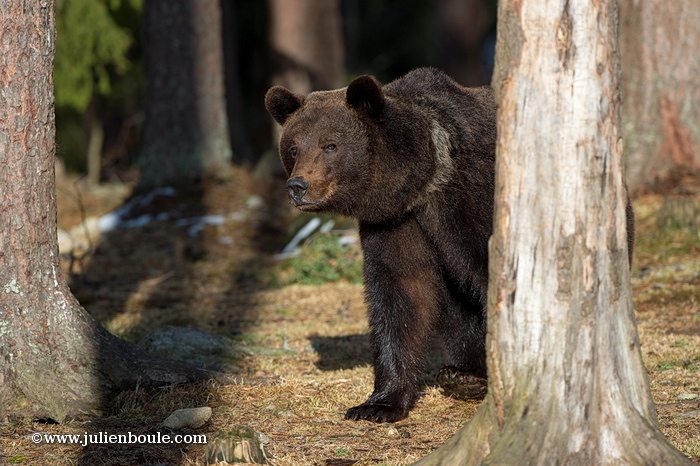


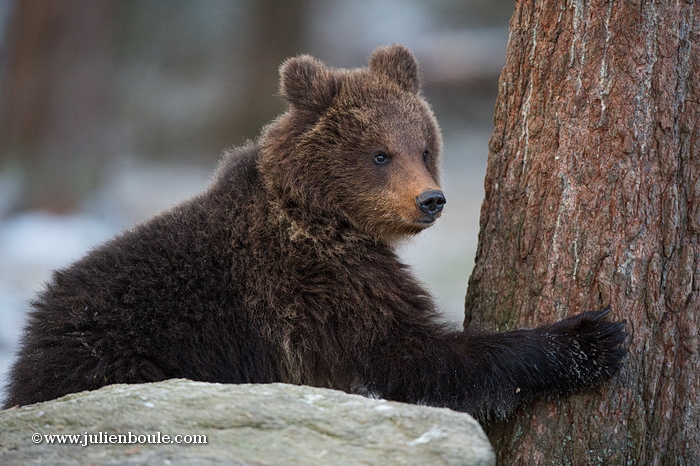


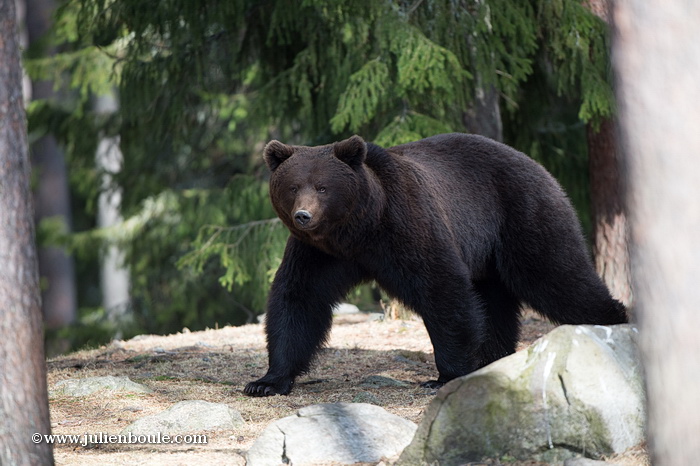


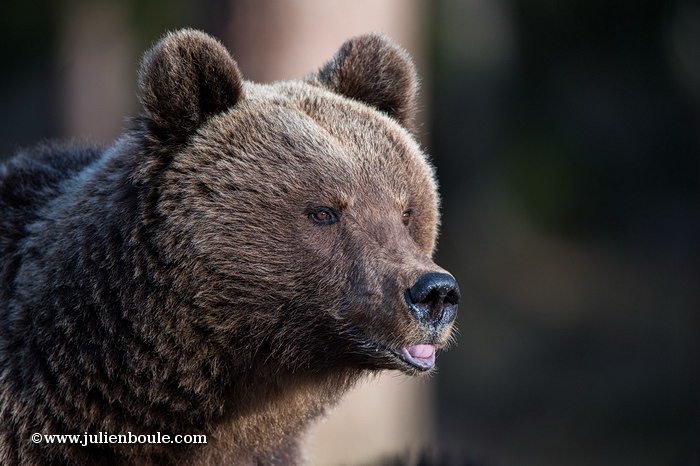
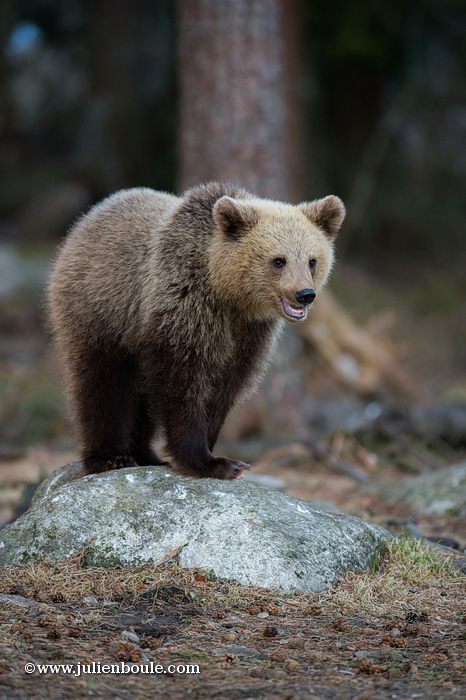

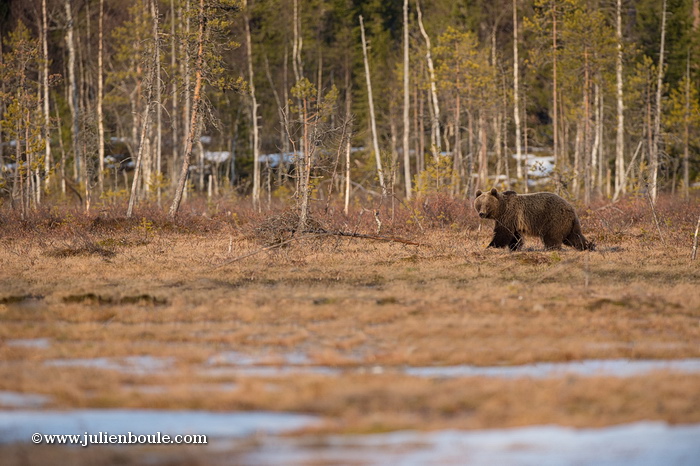
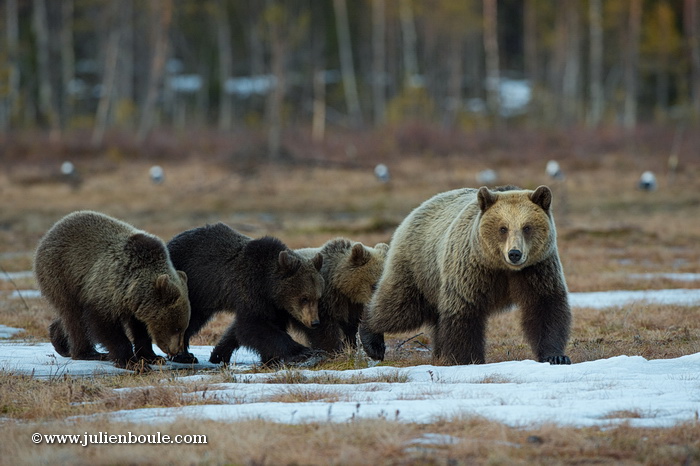

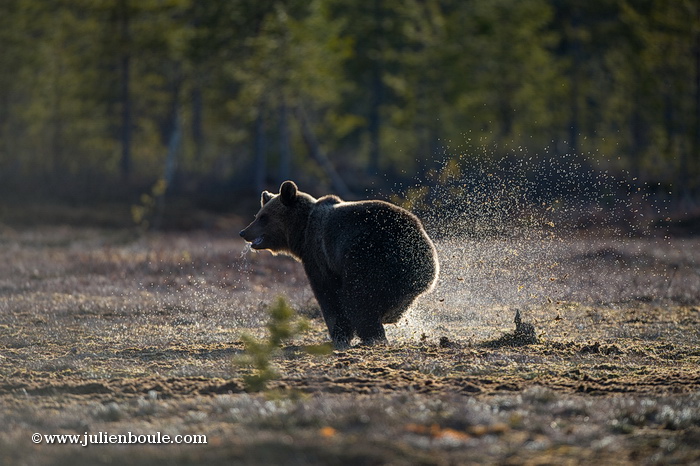


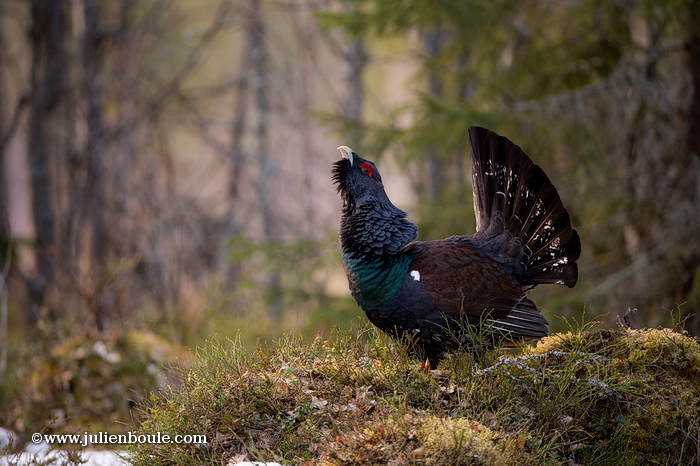


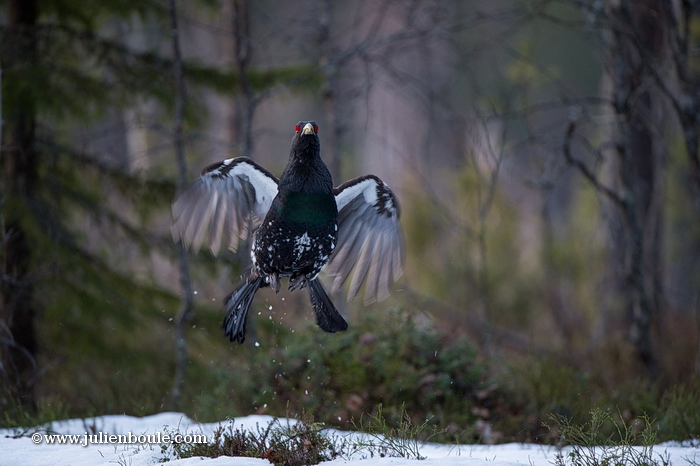
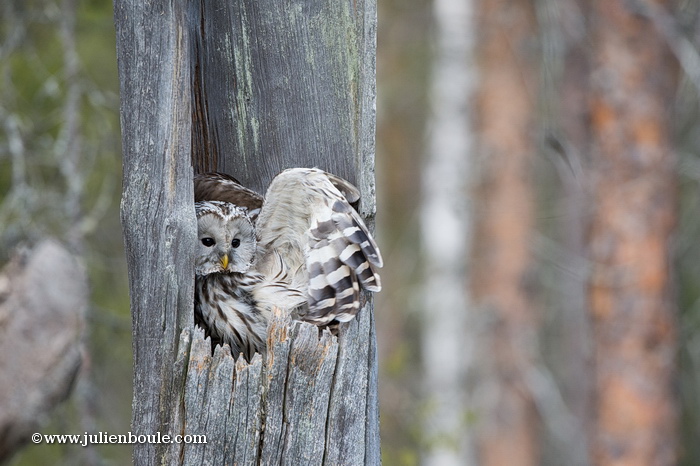
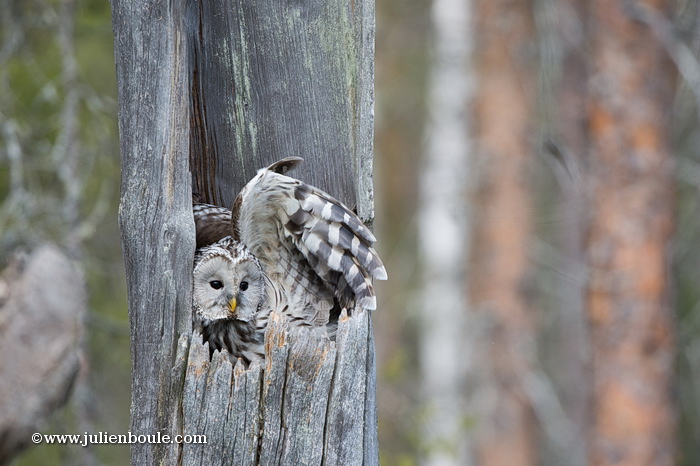
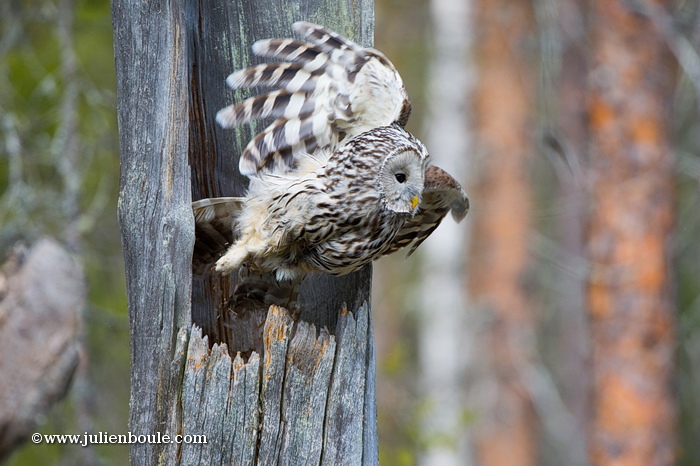

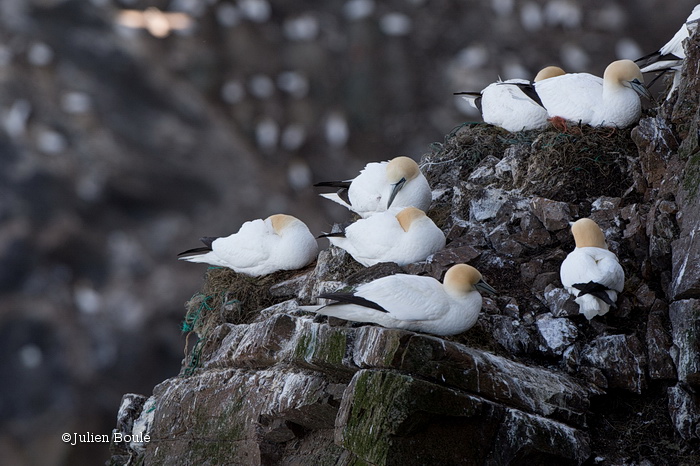
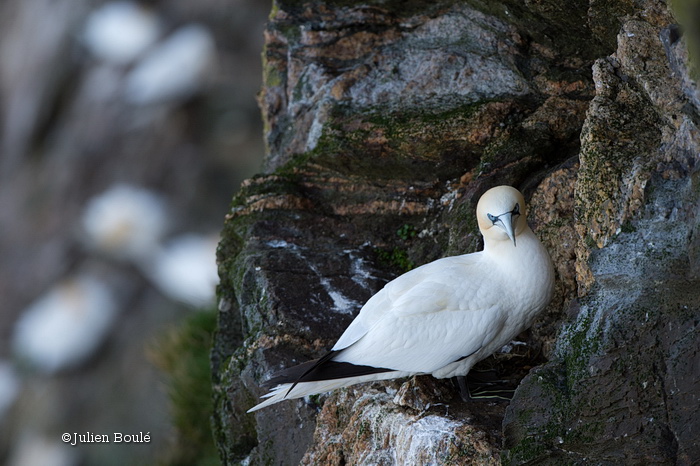


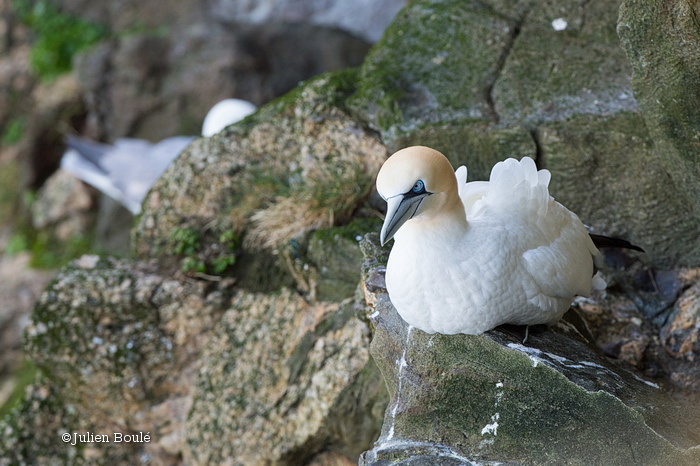


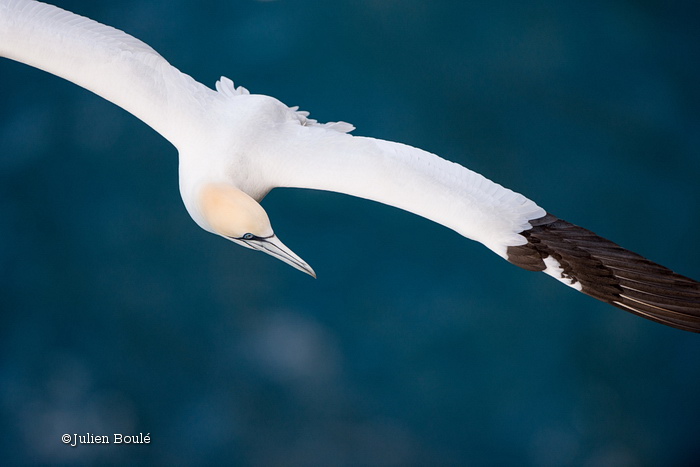


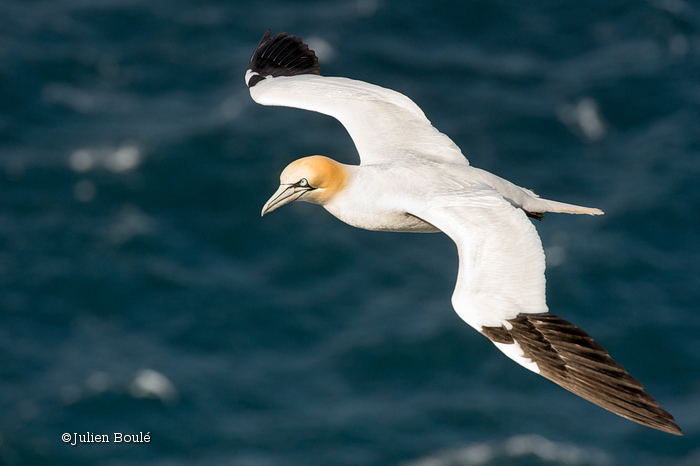

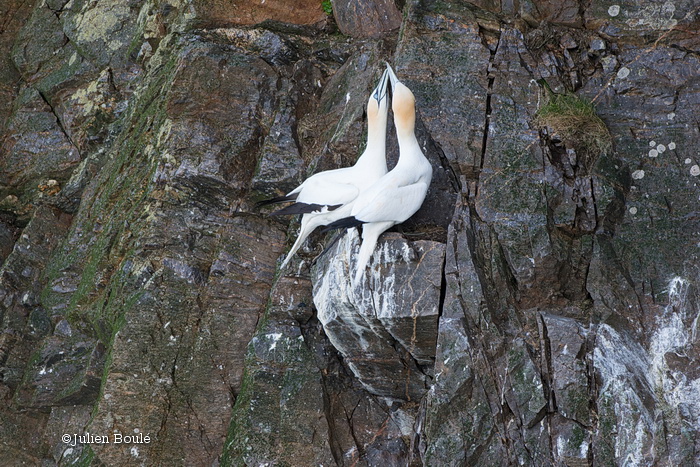
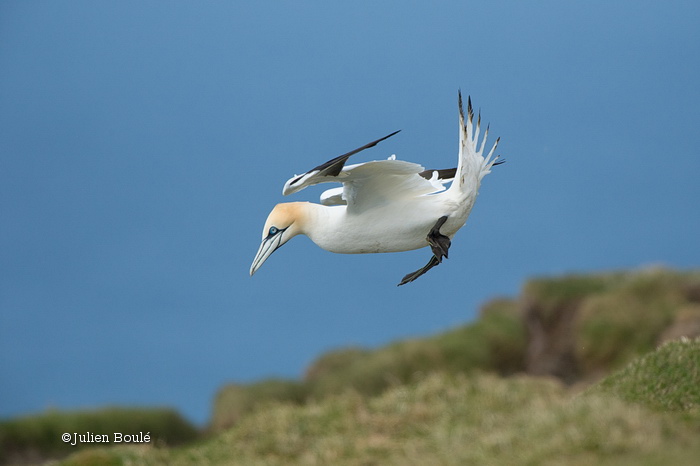


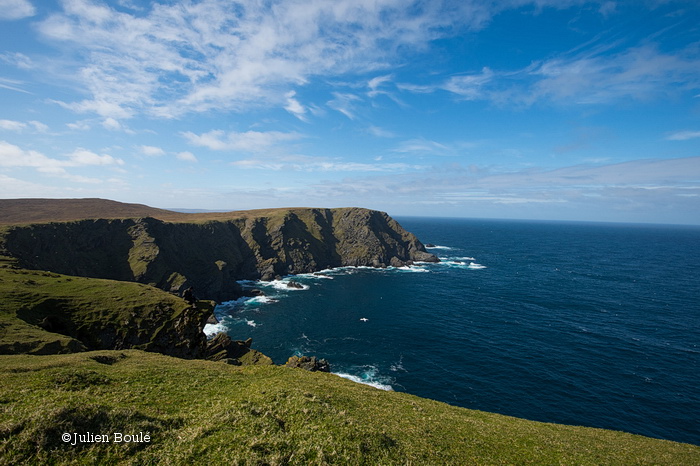


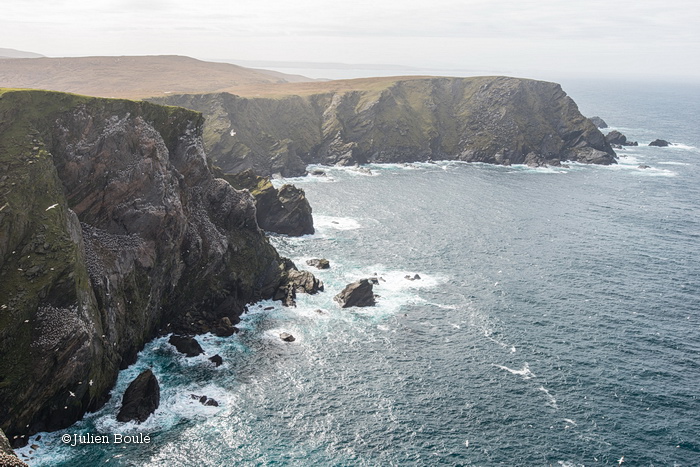
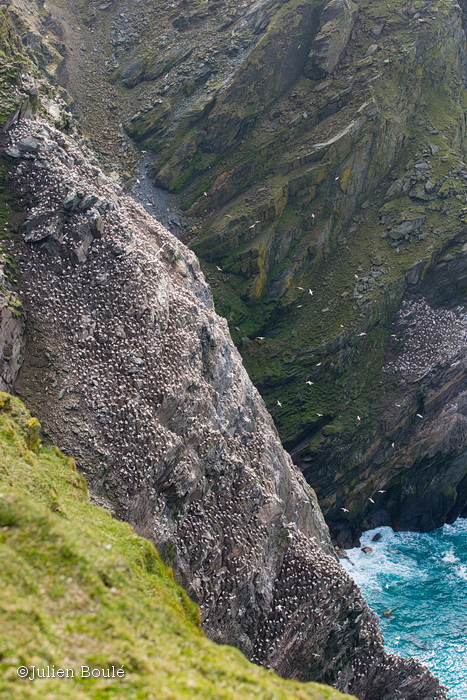

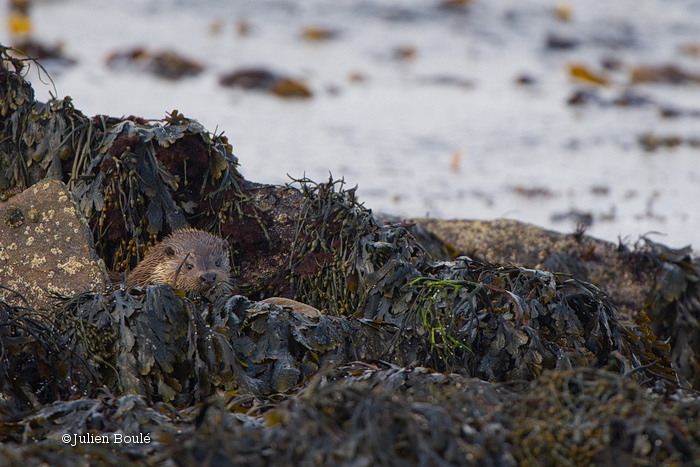


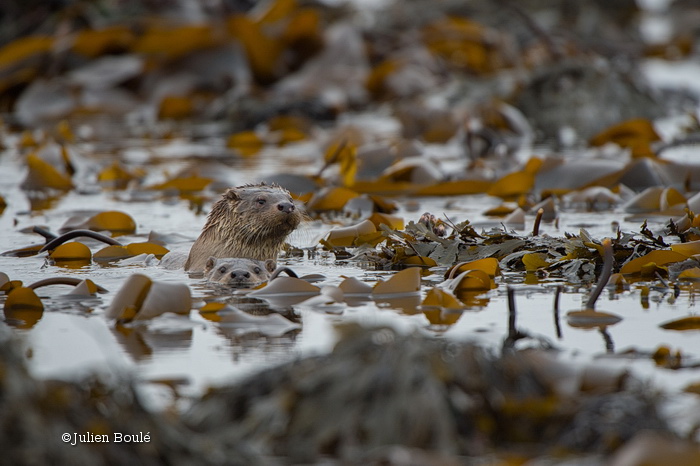


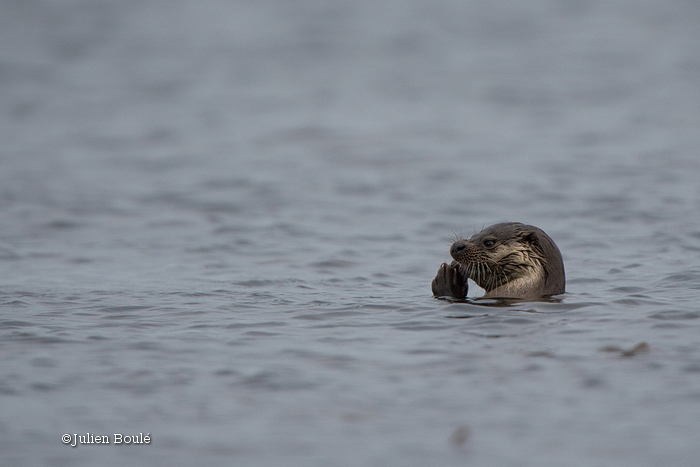


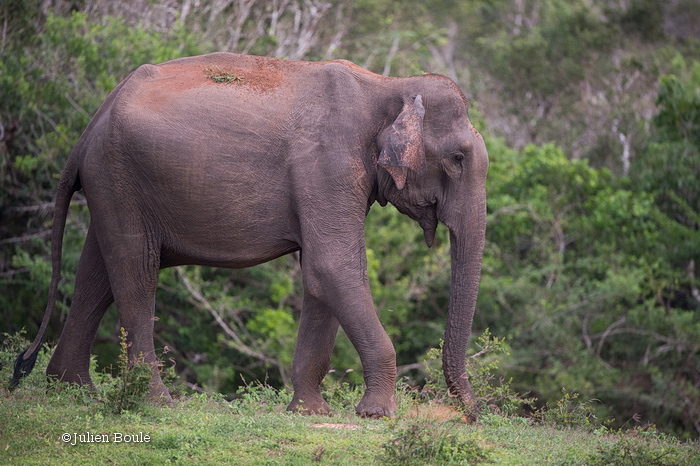


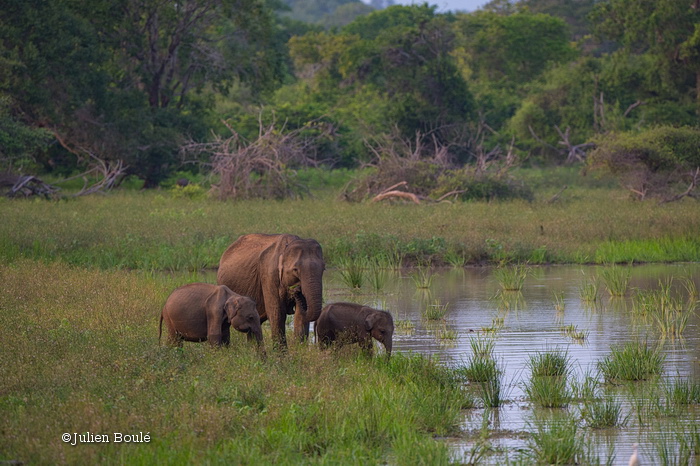


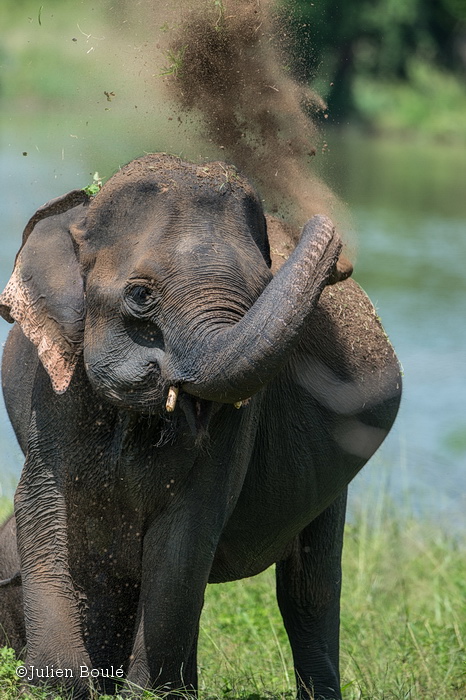
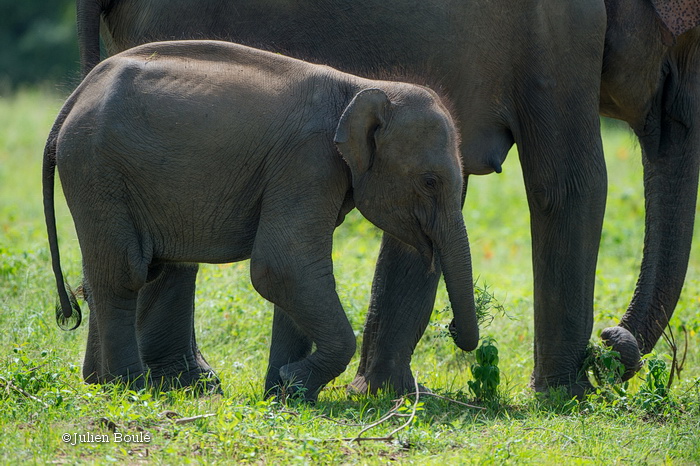
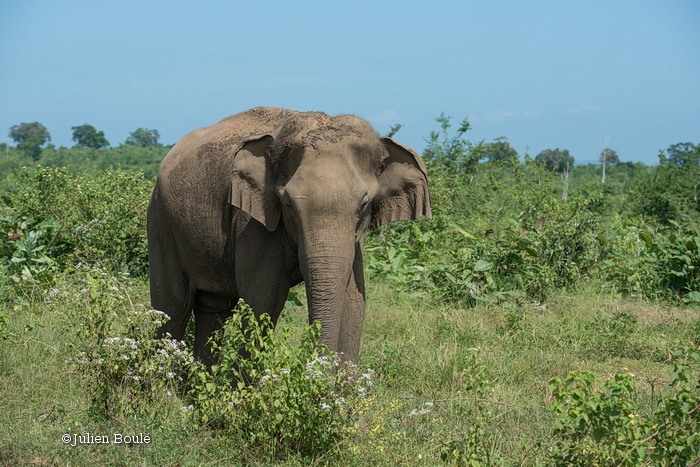


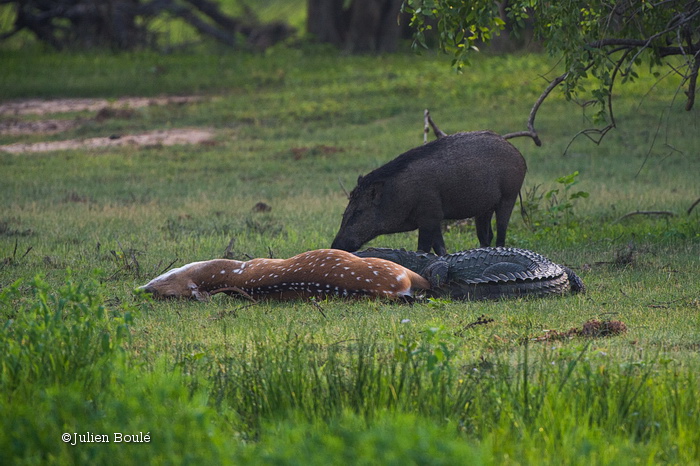


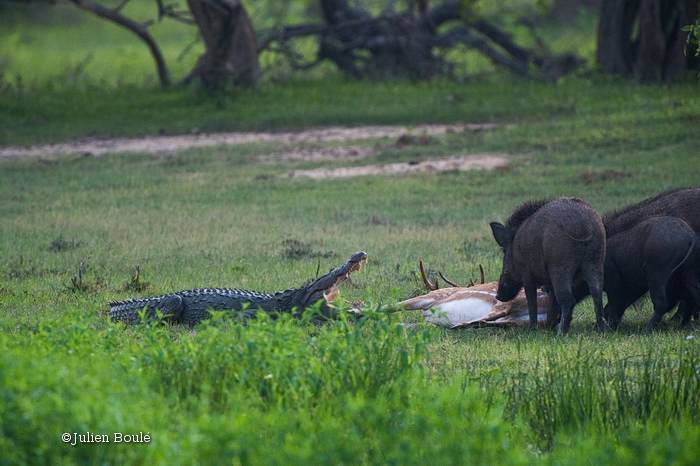
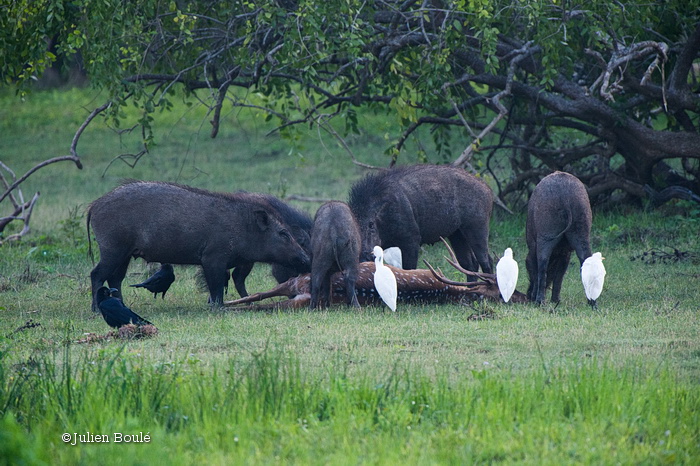


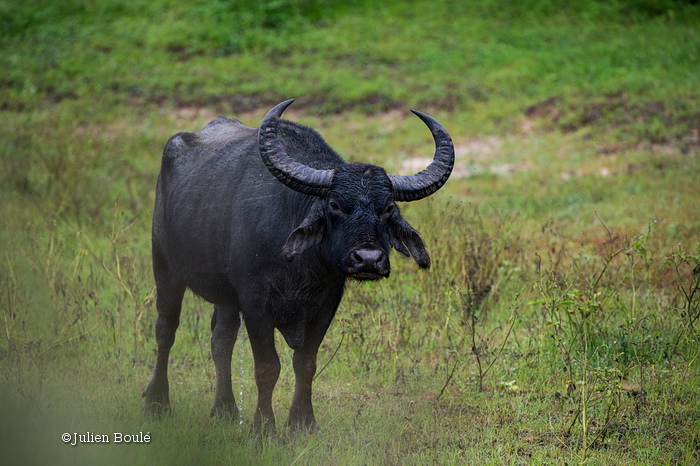


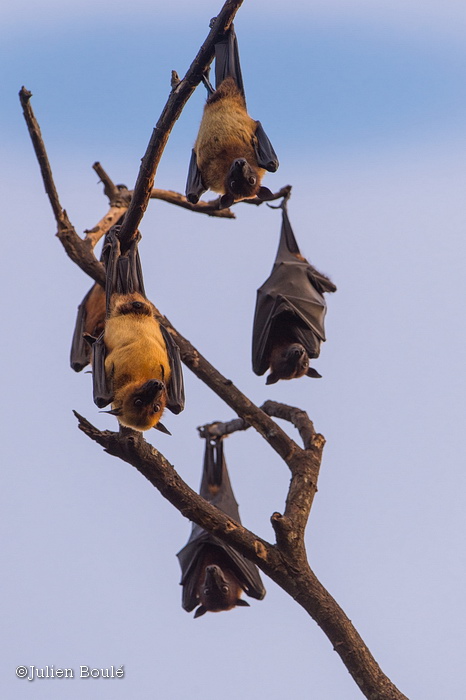


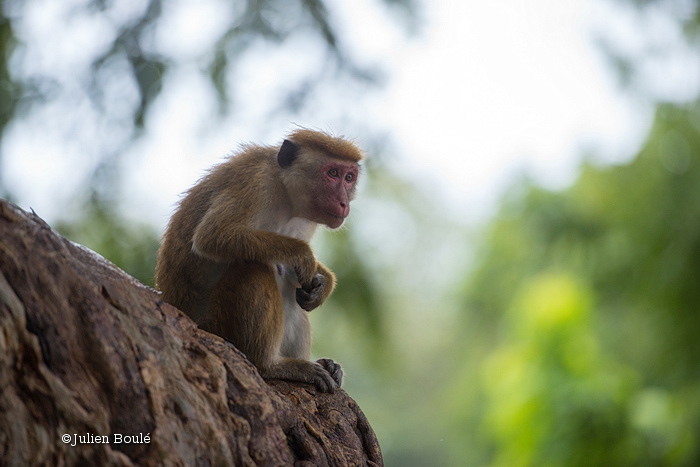


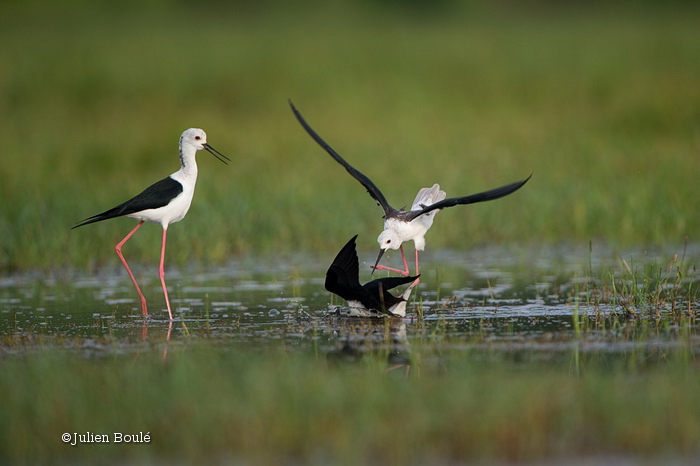

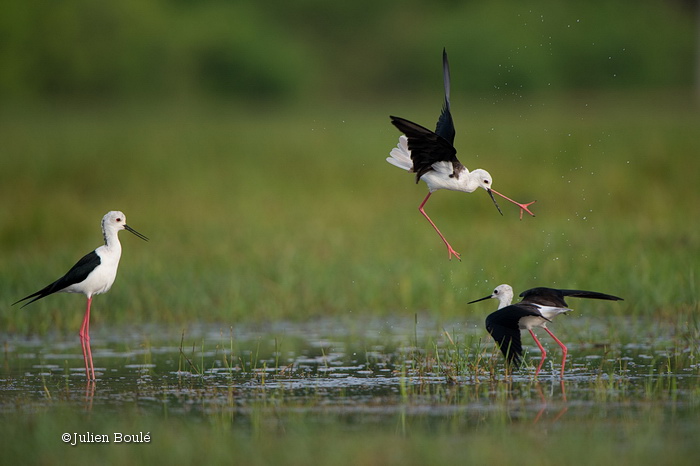

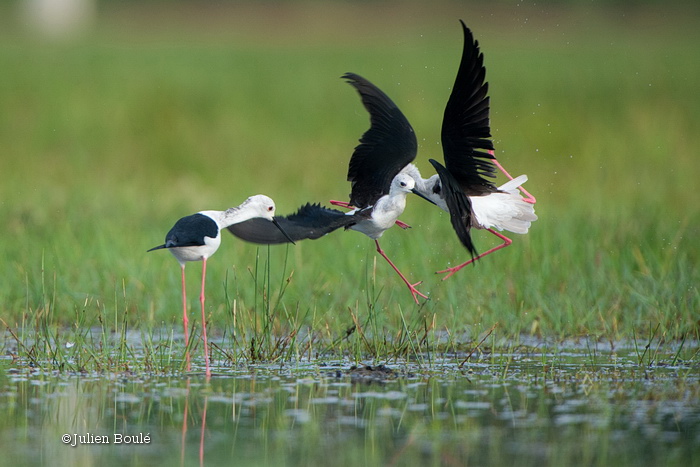
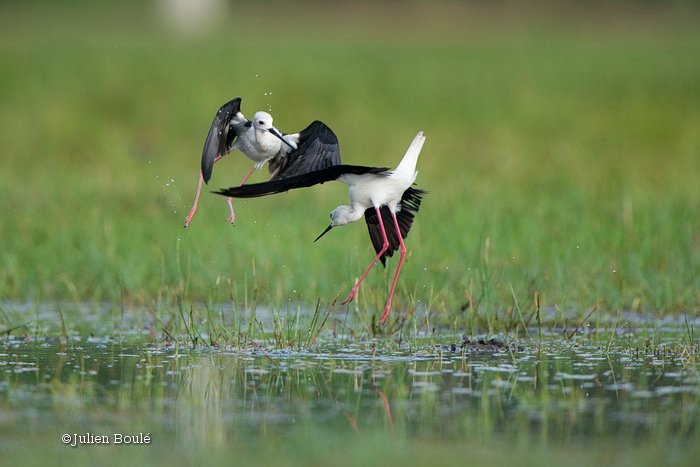
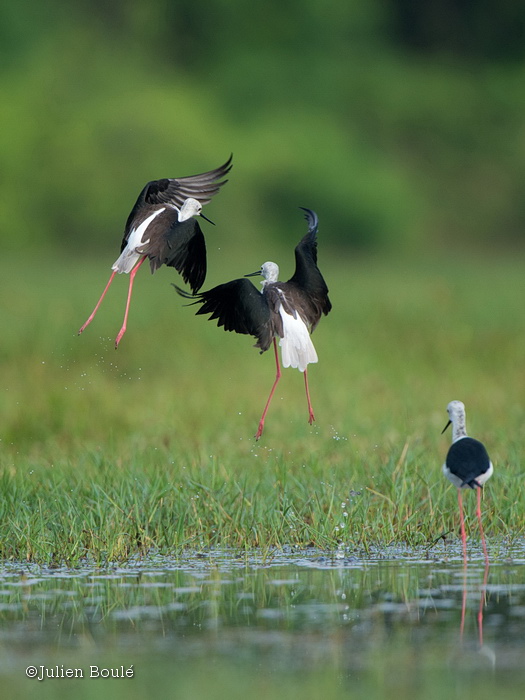

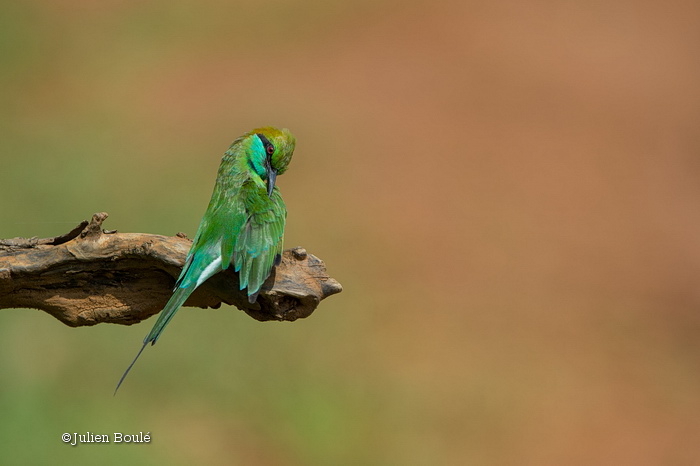

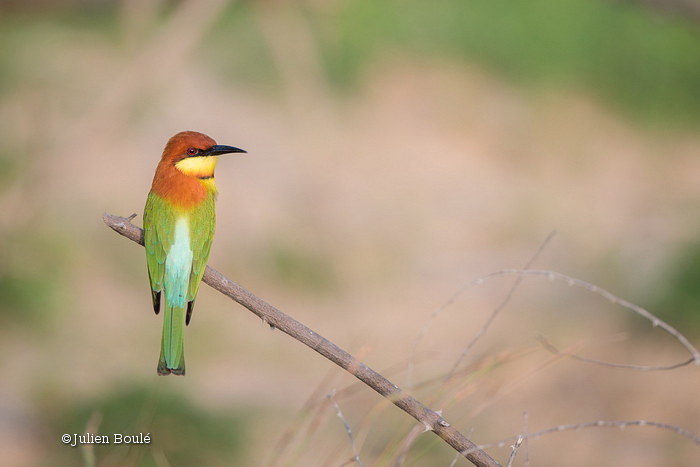
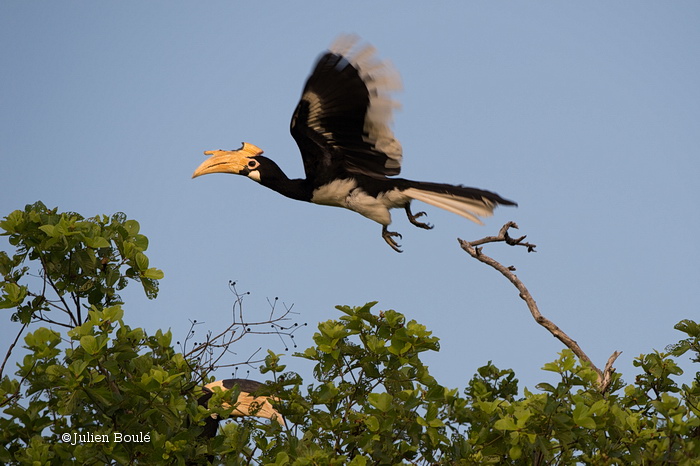
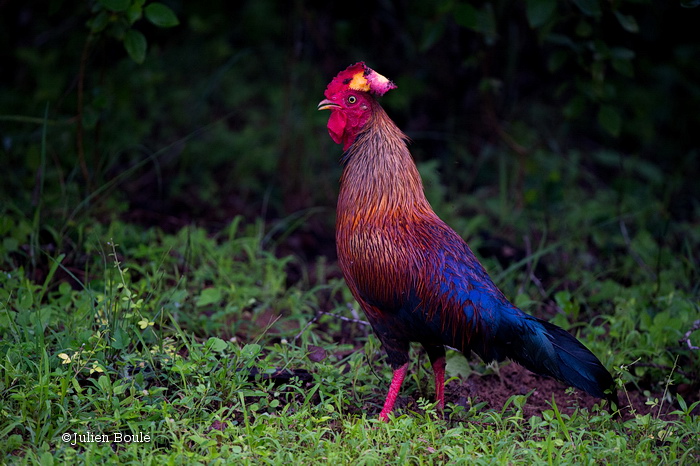
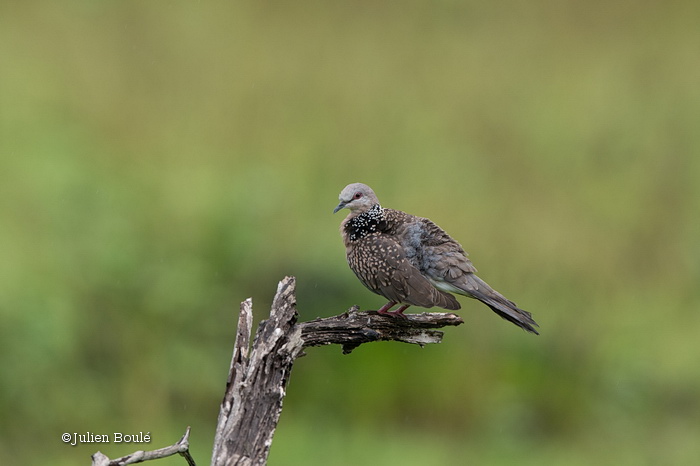
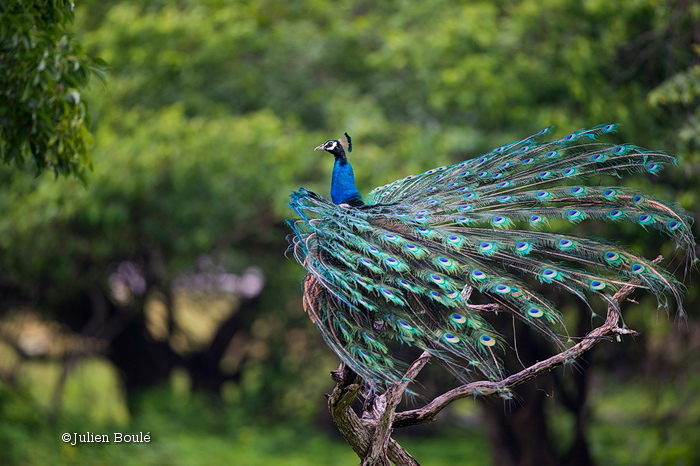
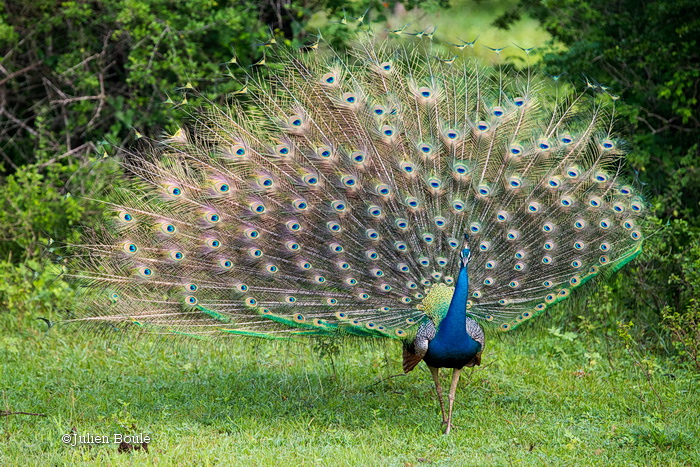


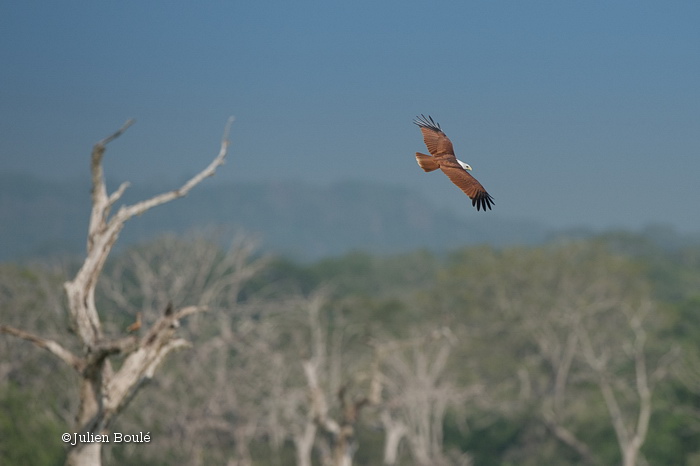


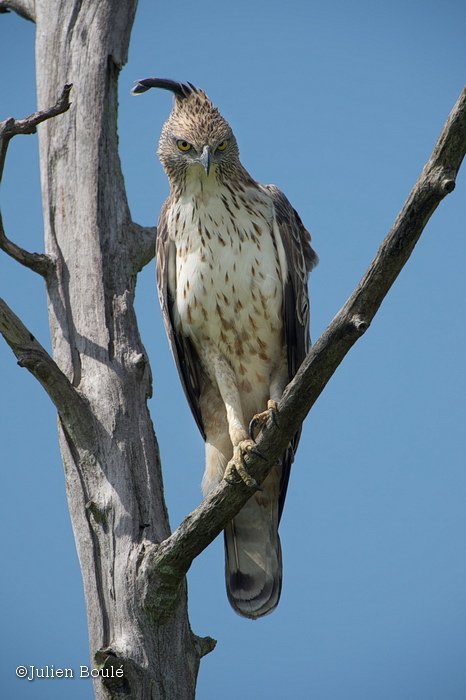

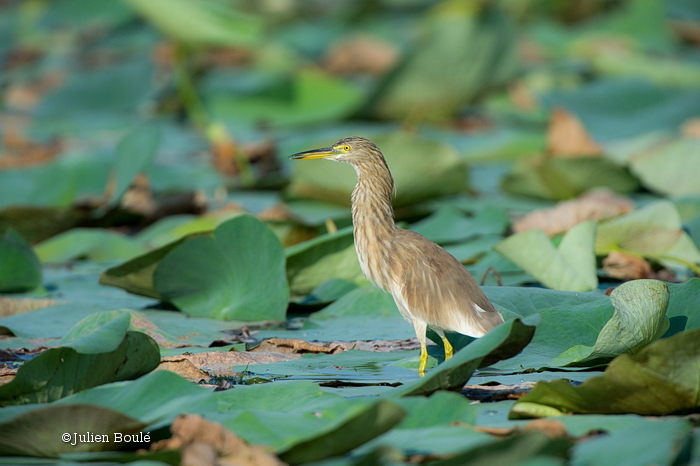
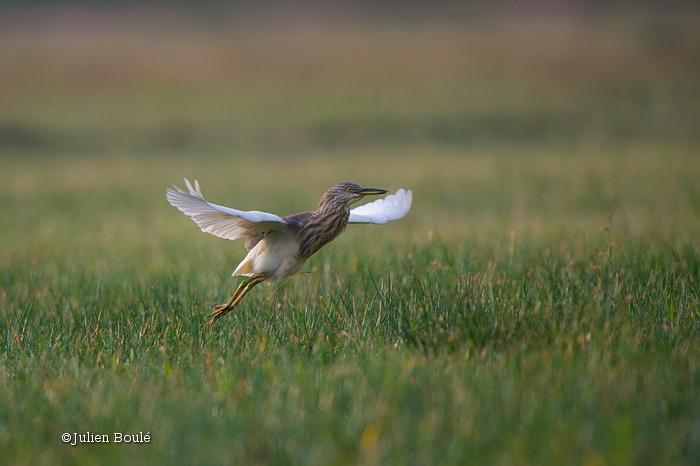

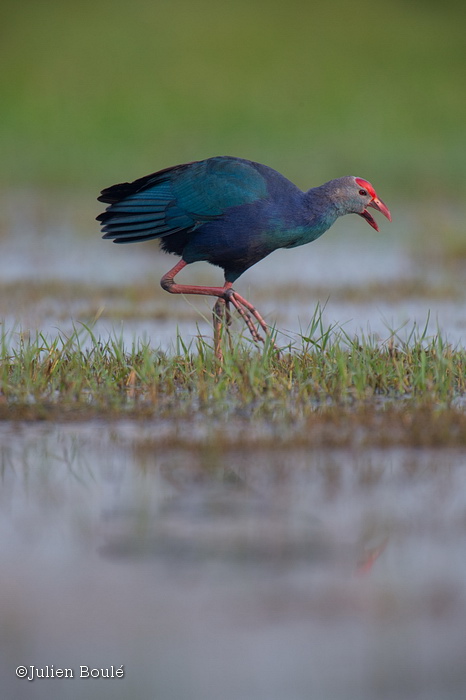


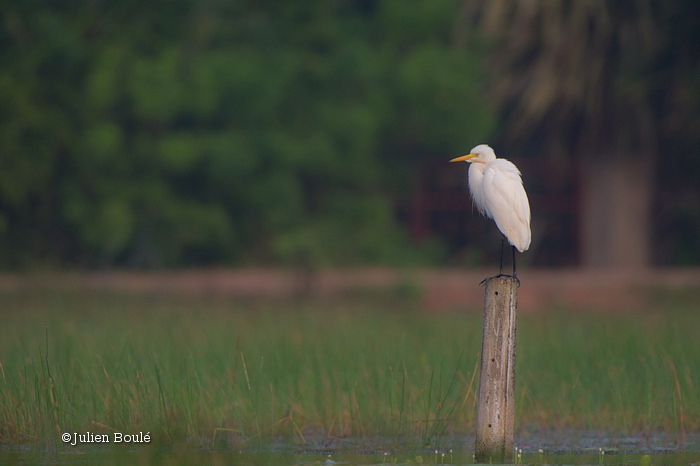


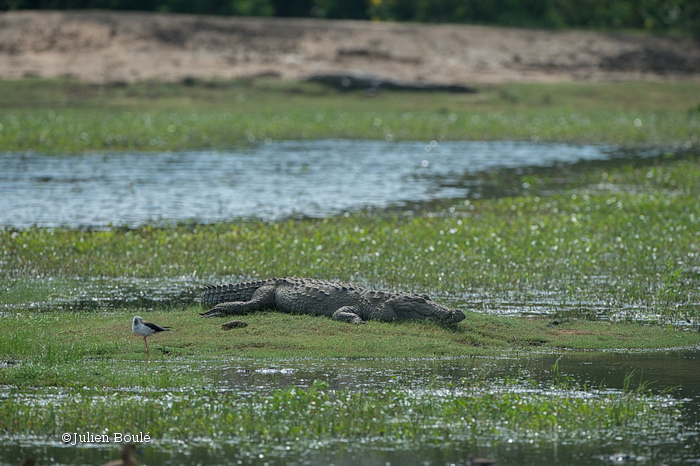

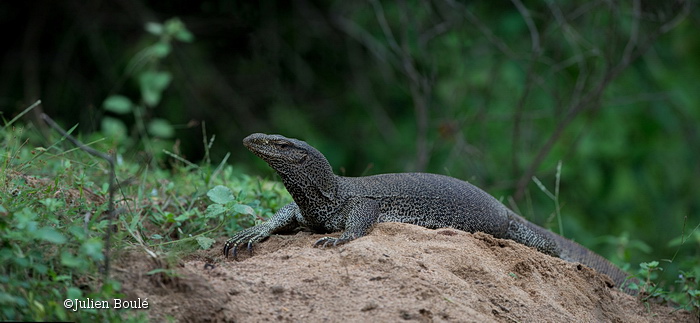
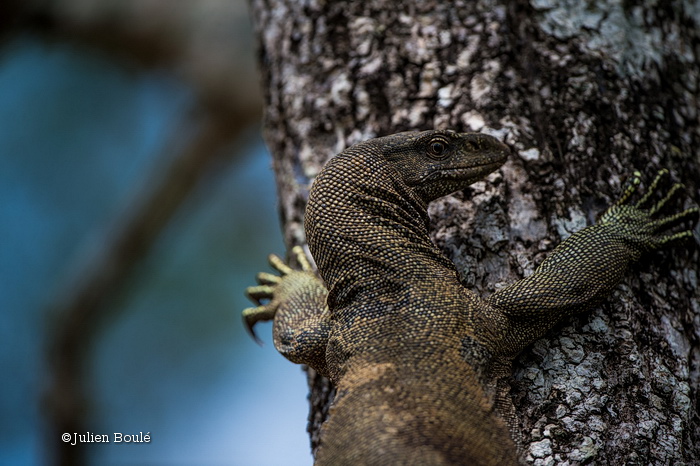


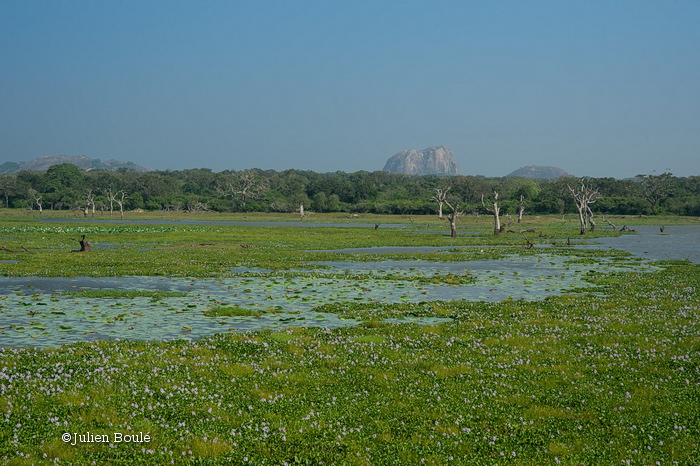

 By Guillaume: Bravo! Passionné par la faune, je regarde votre reportage. je n’hésite plus le Sri Lanka sera ma prochaine destination.


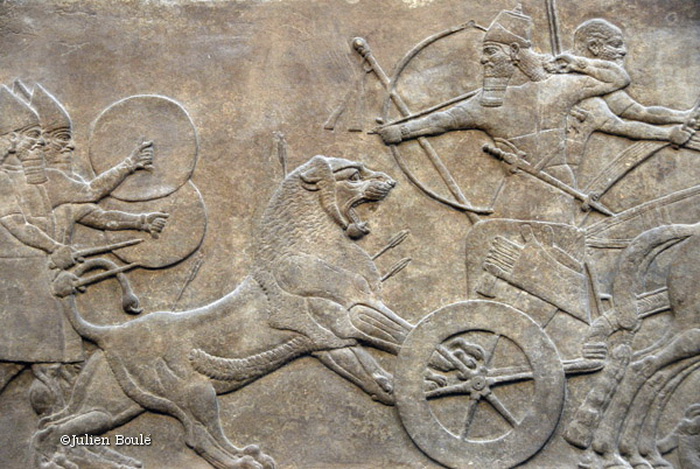
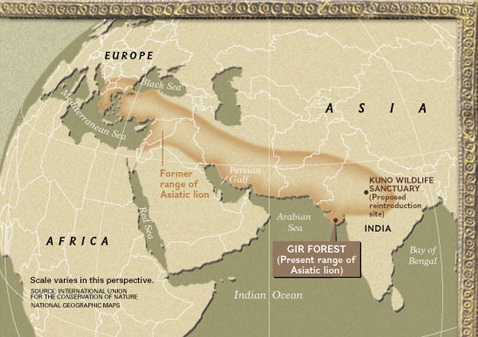


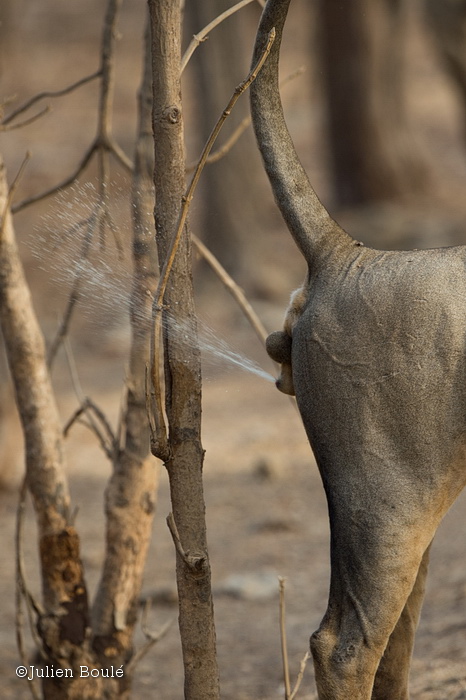


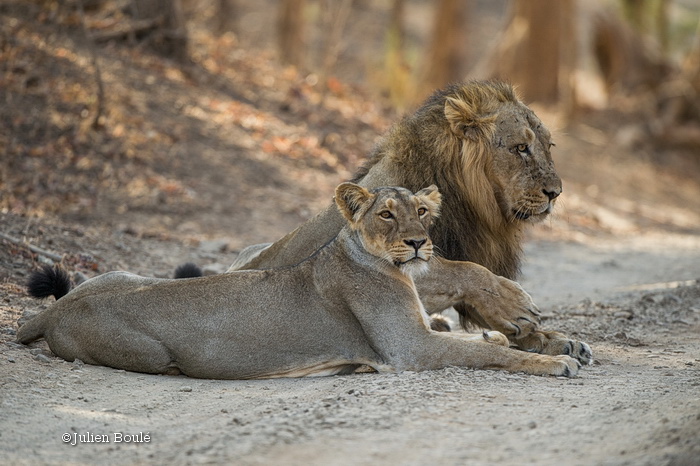

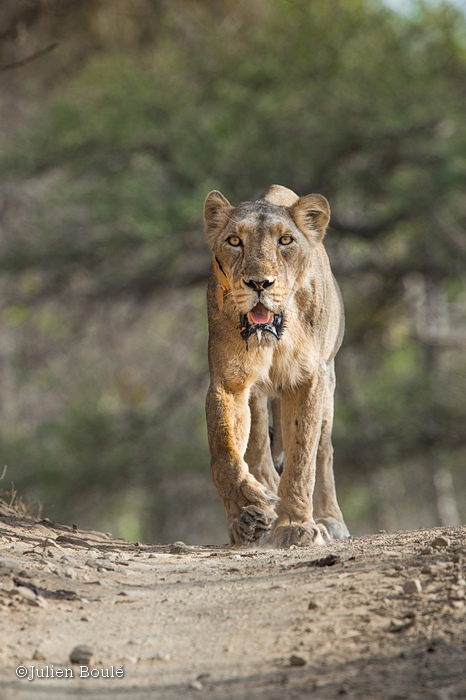


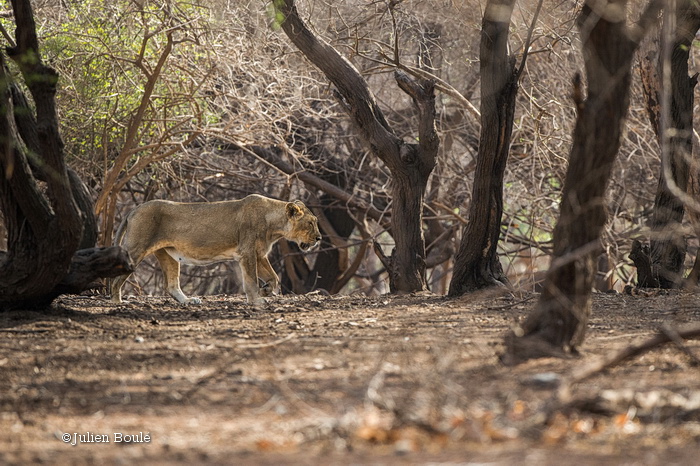


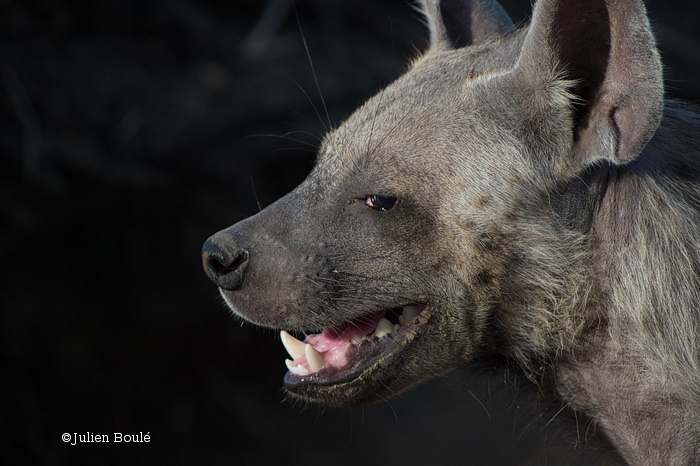


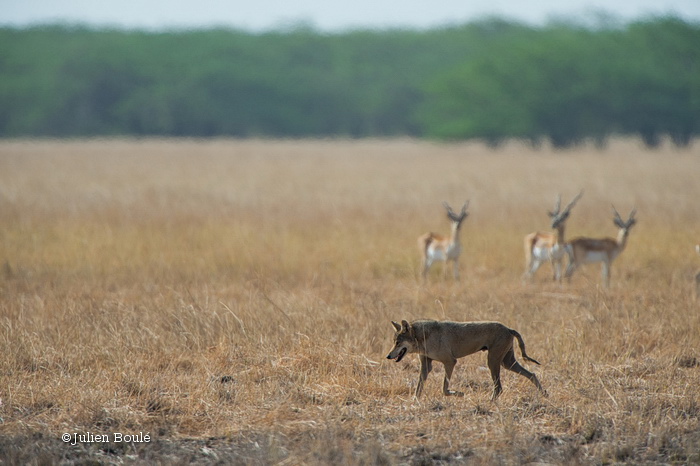
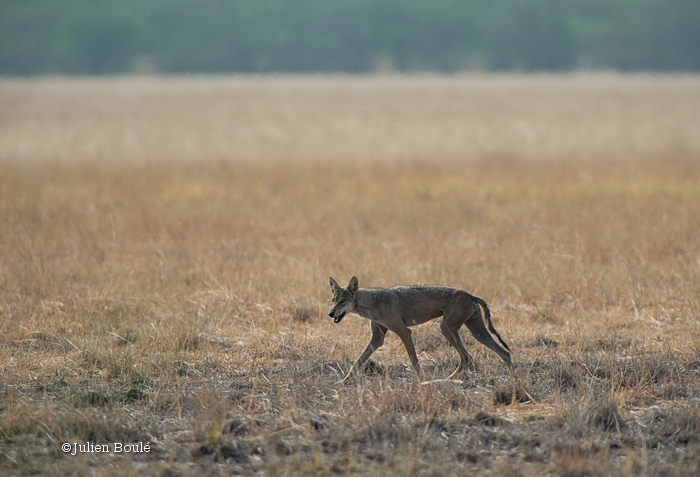
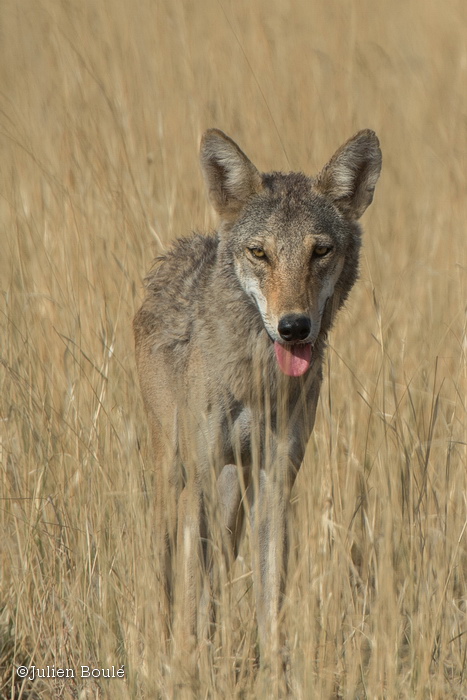


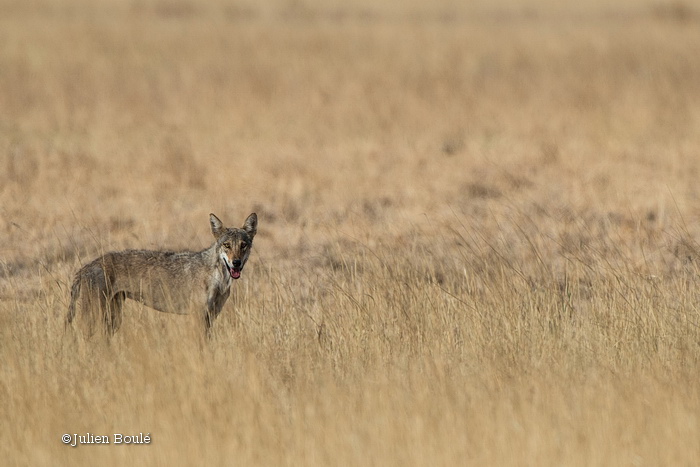


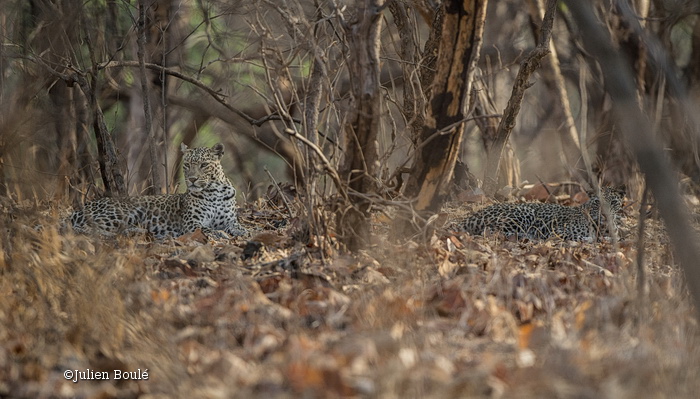


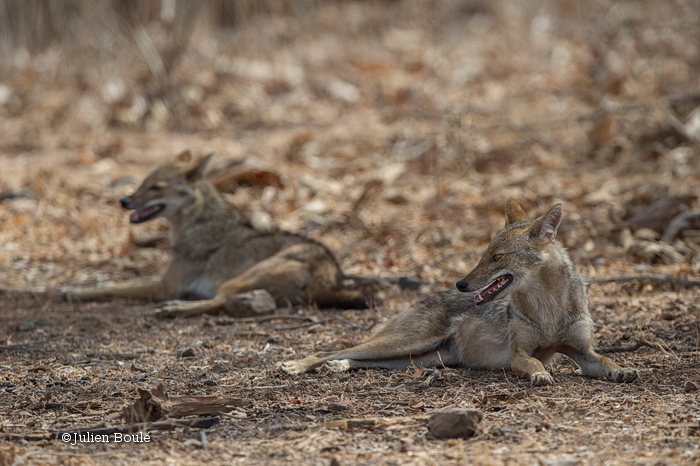


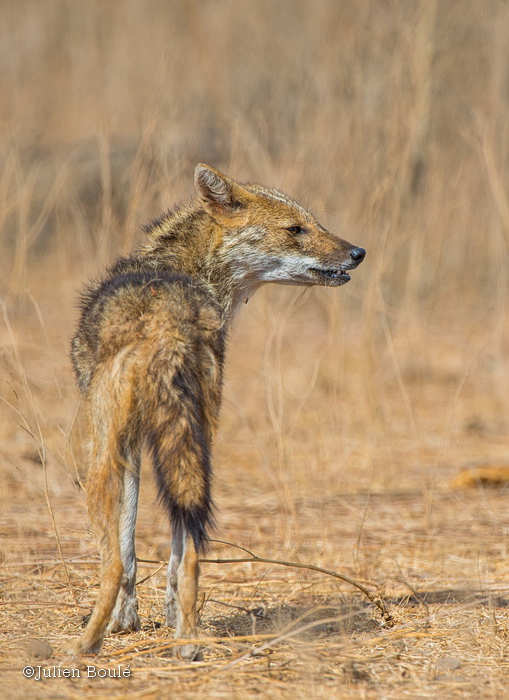
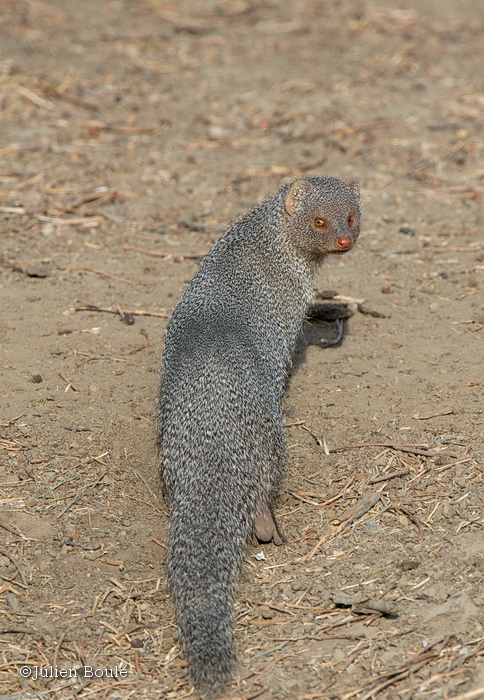


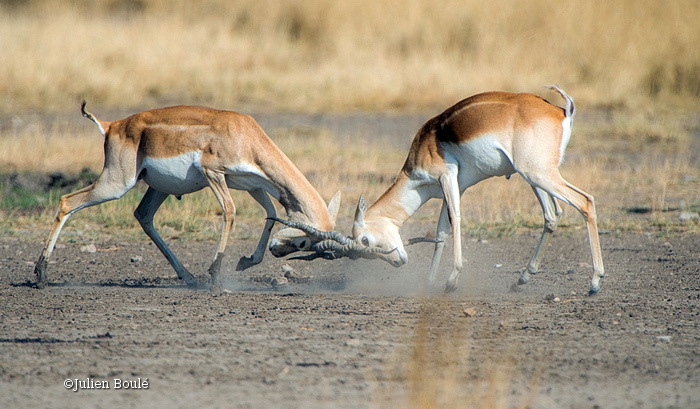


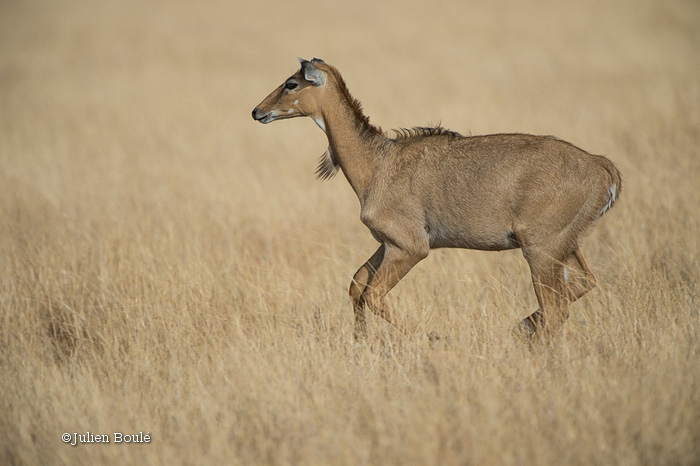


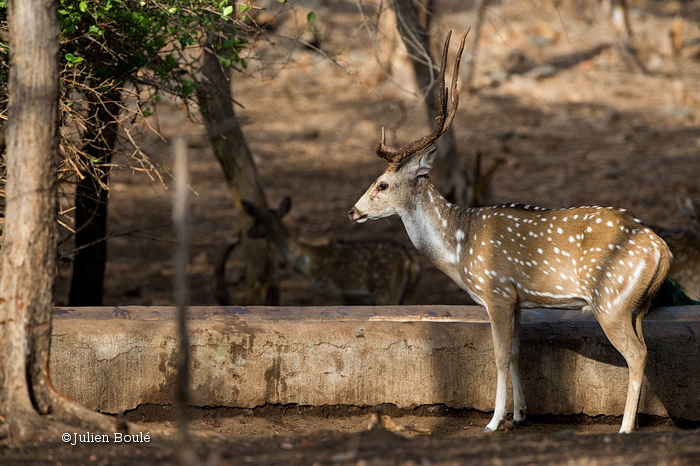
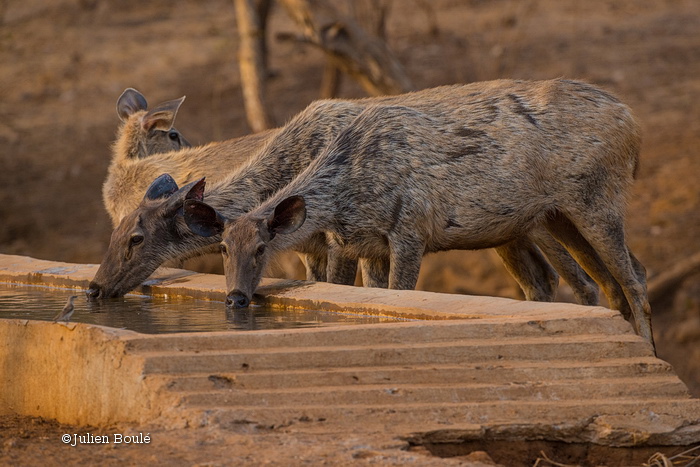


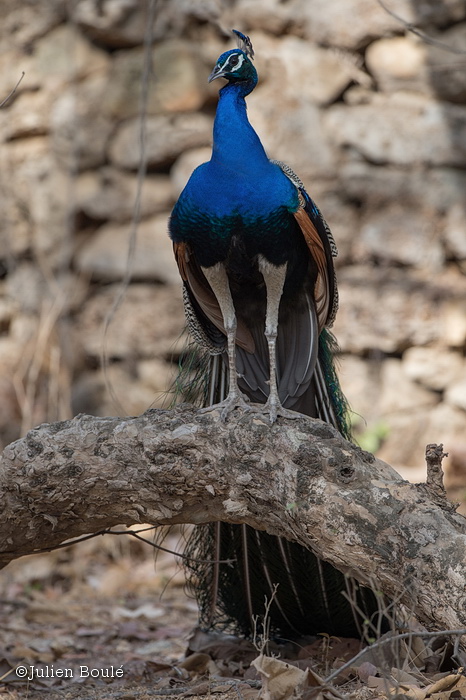

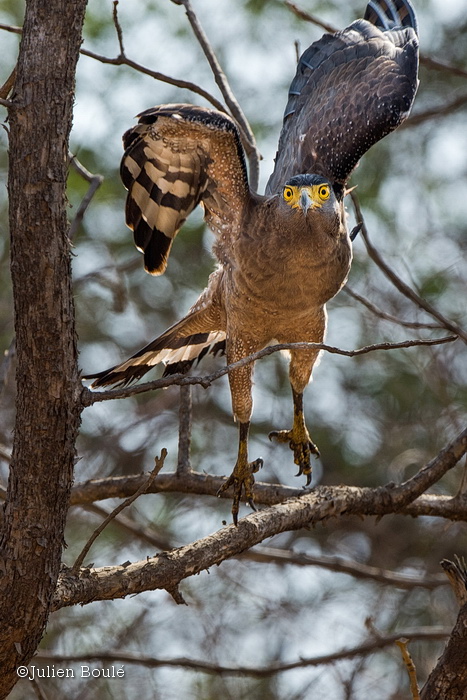

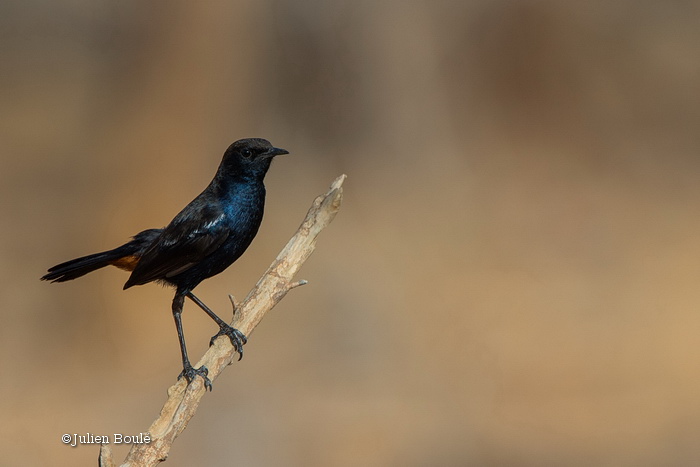
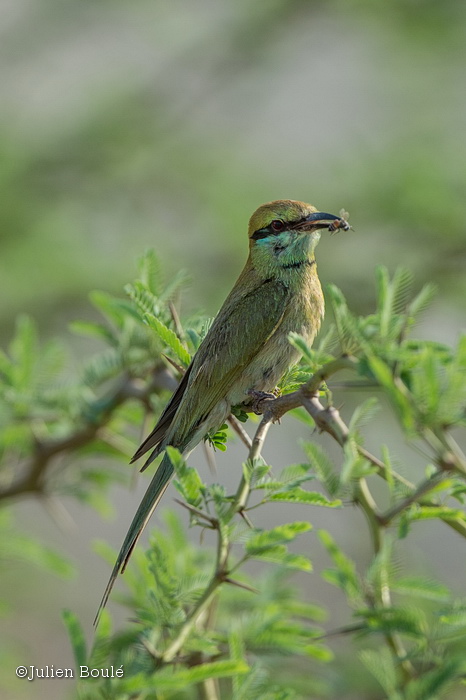


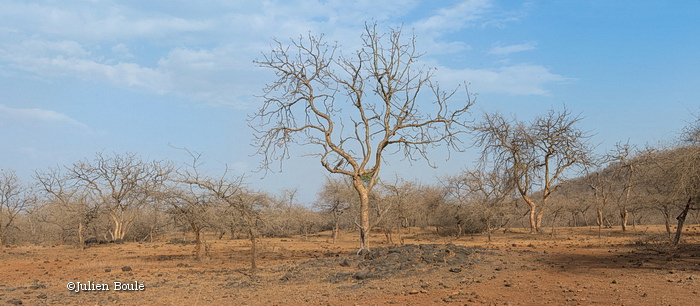


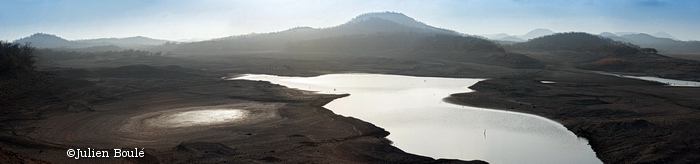


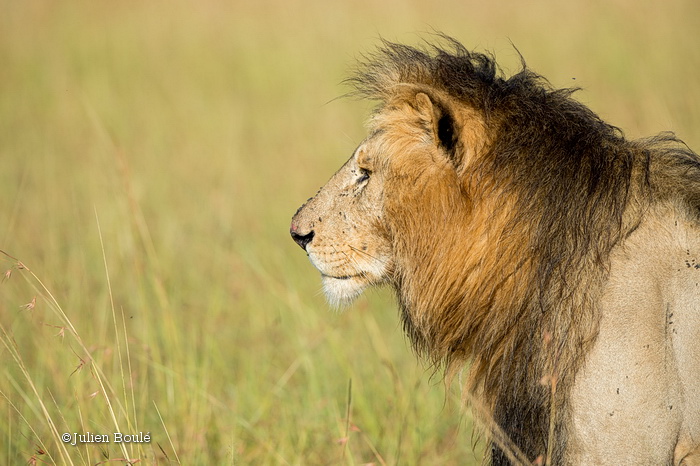


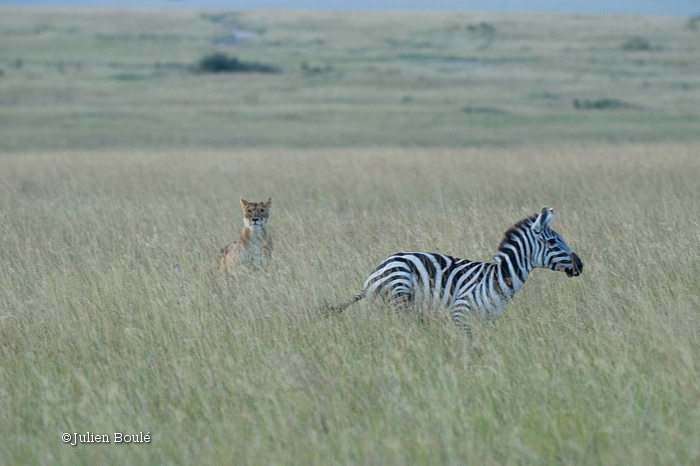
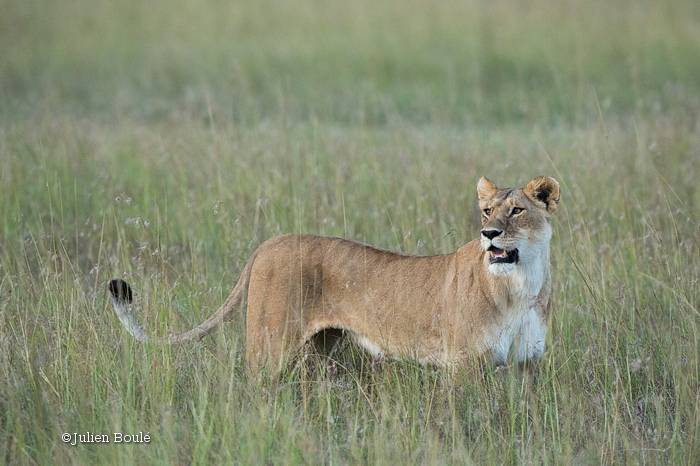

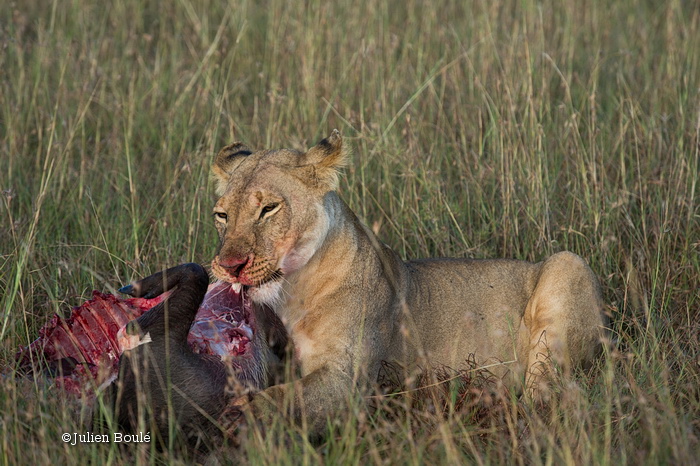
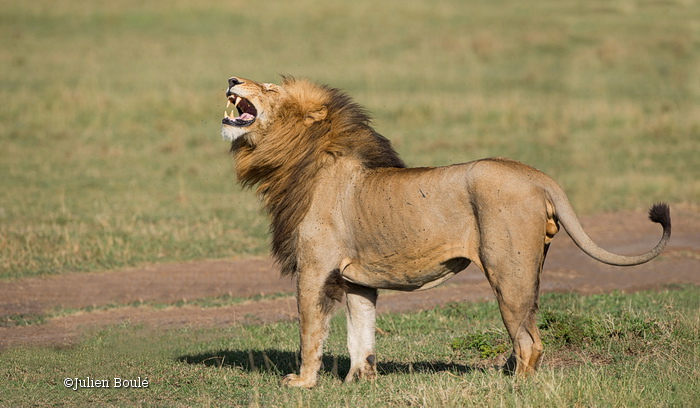
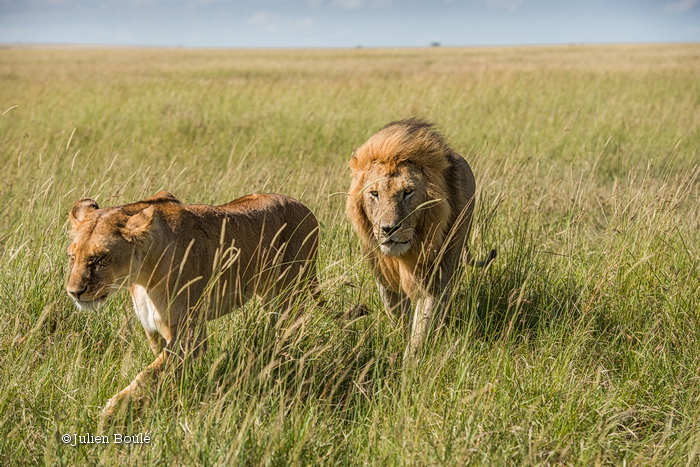


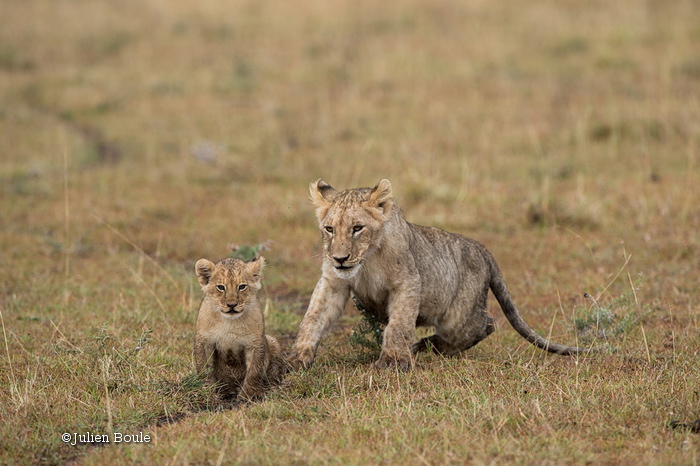
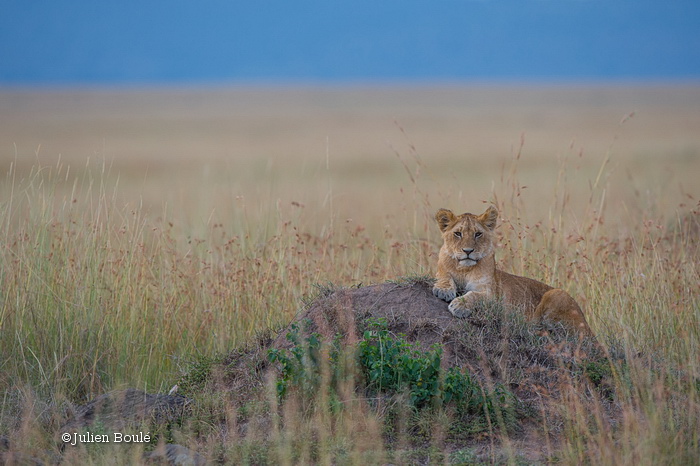
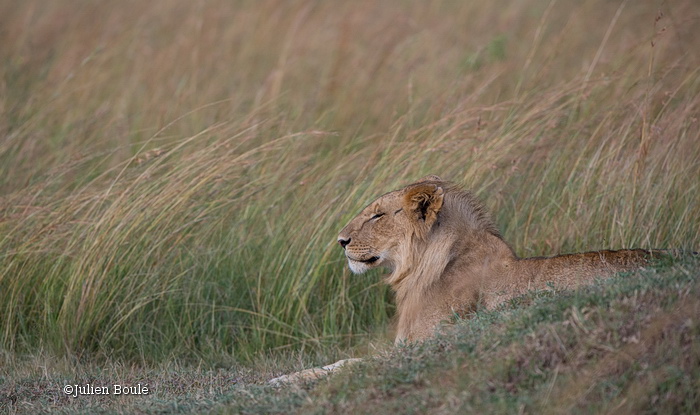


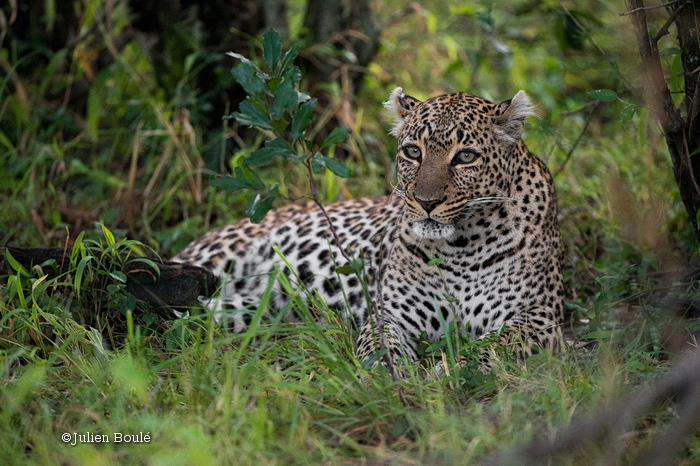

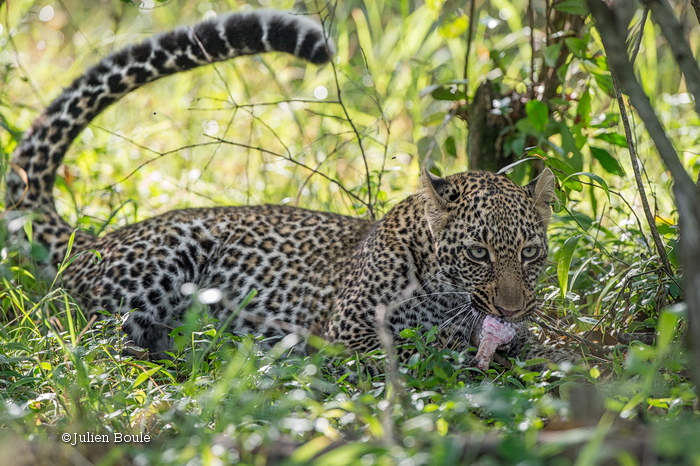
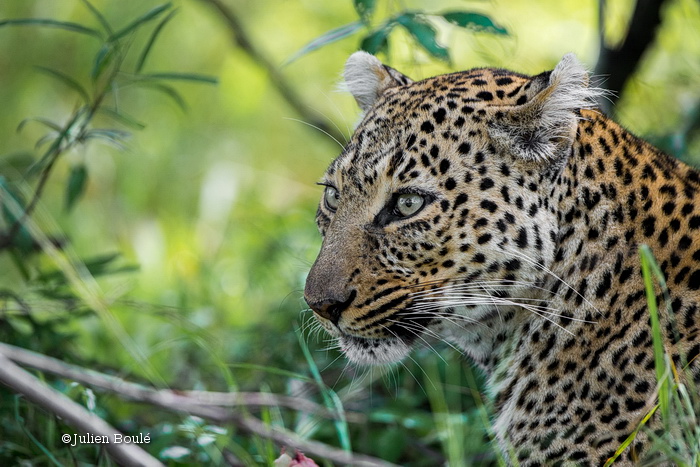

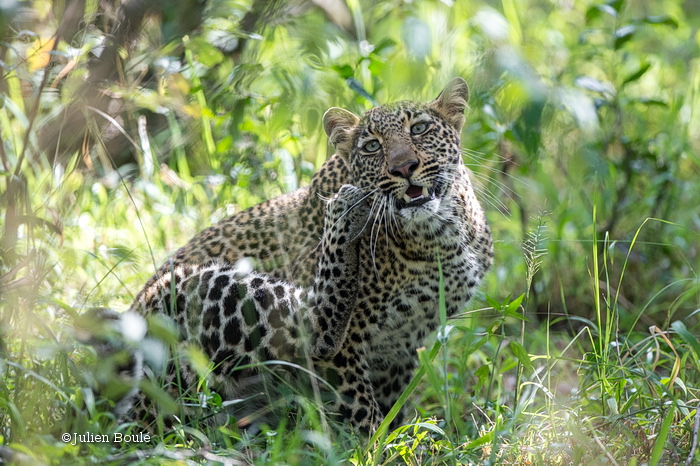


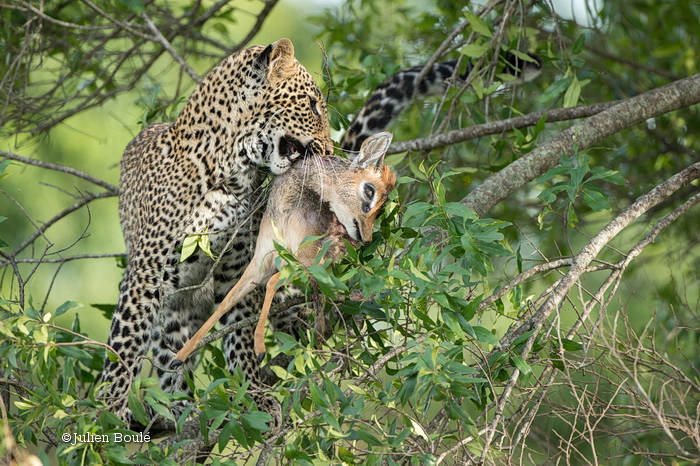
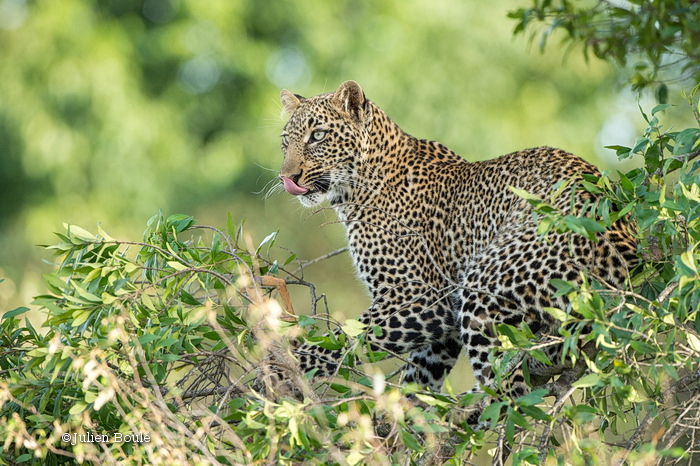

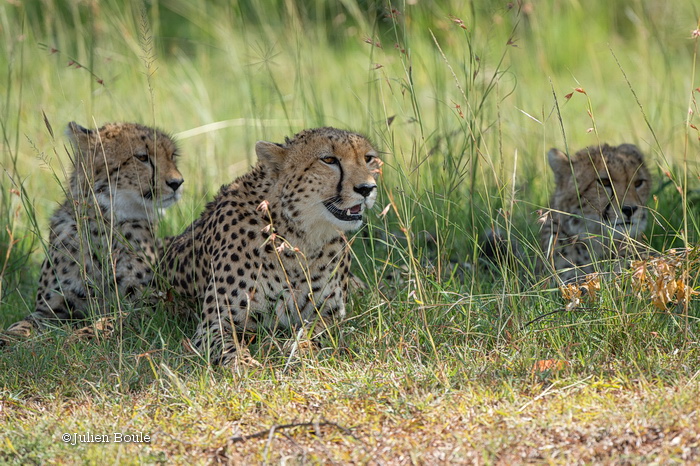

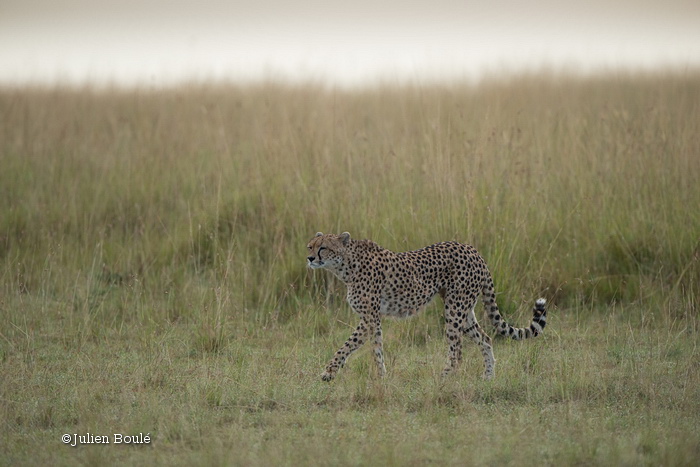
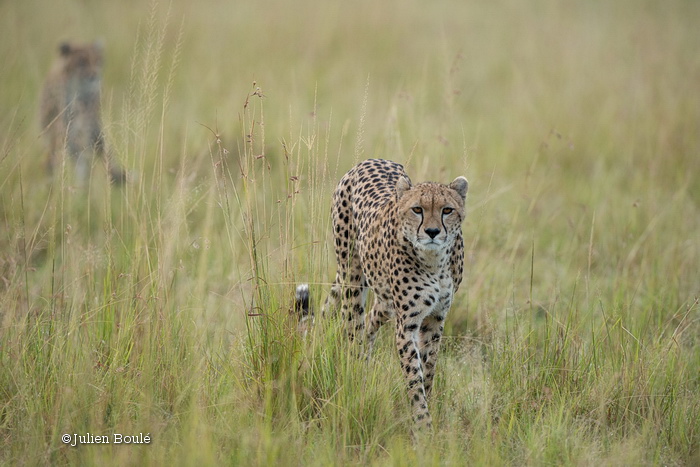

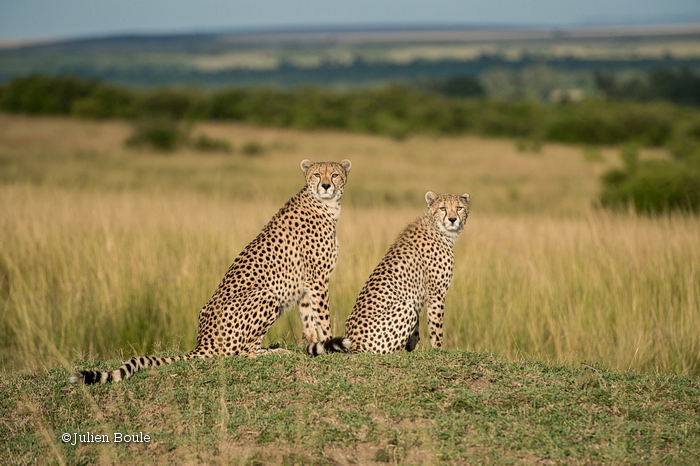


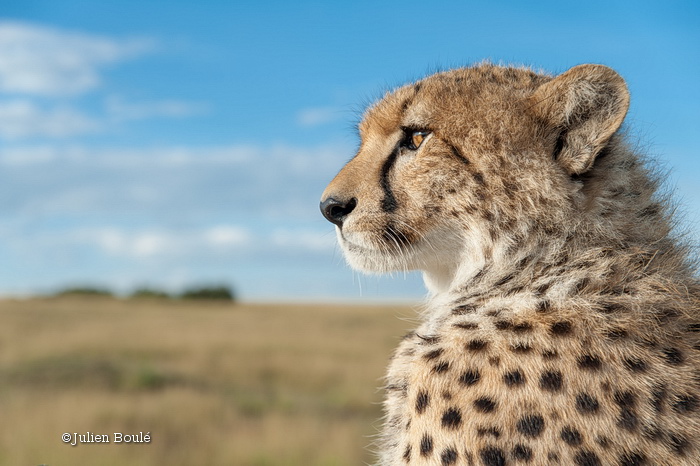

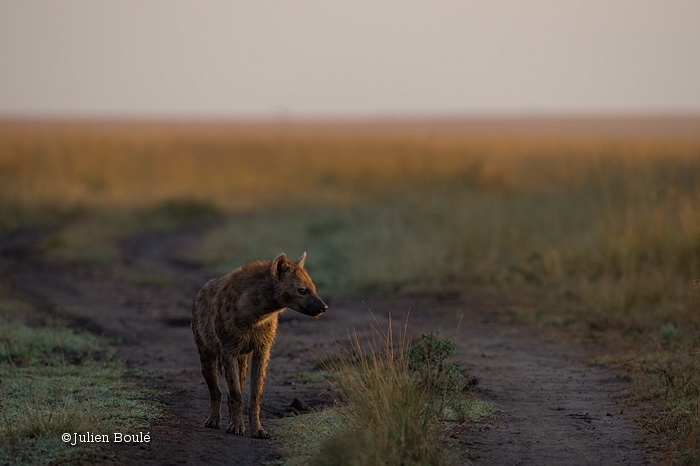


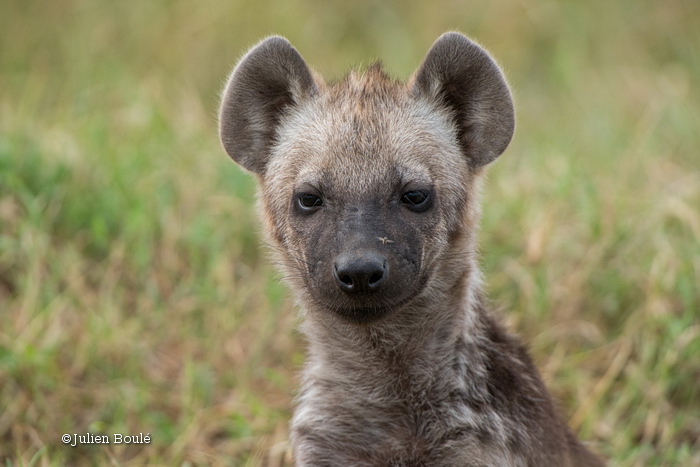

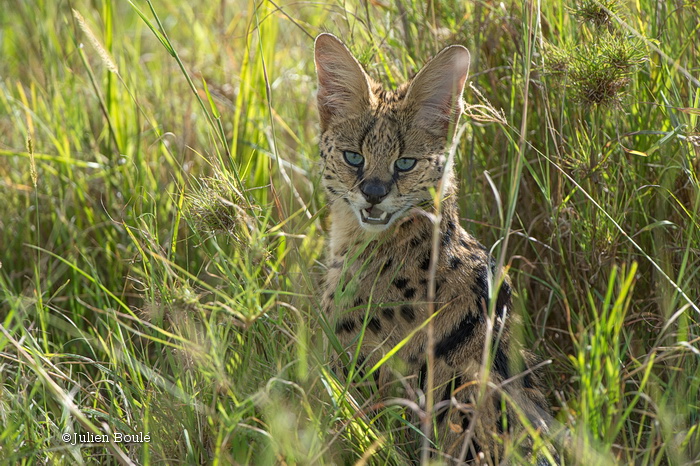
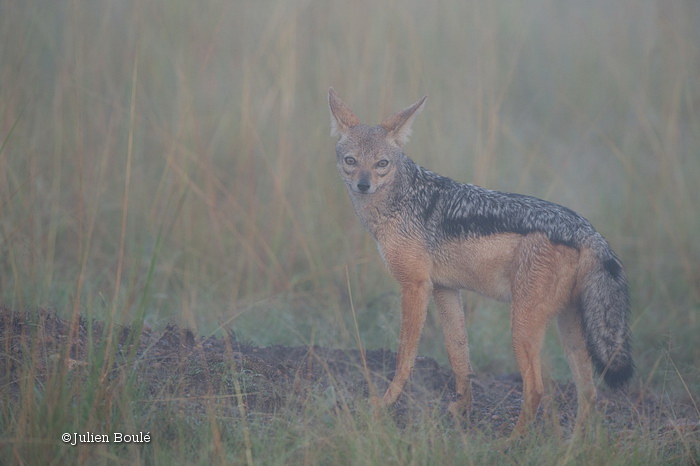

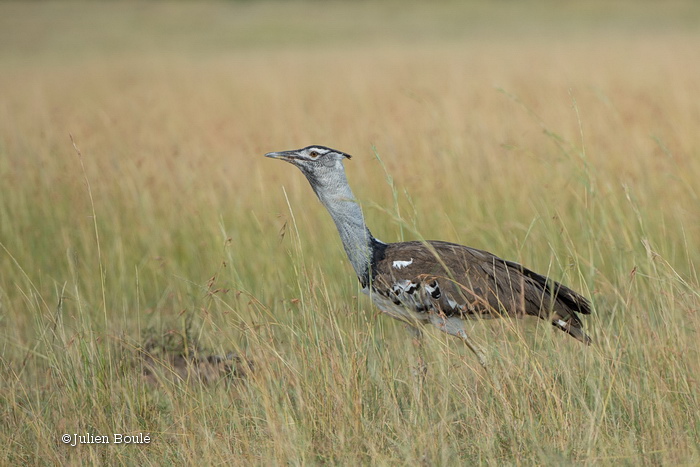
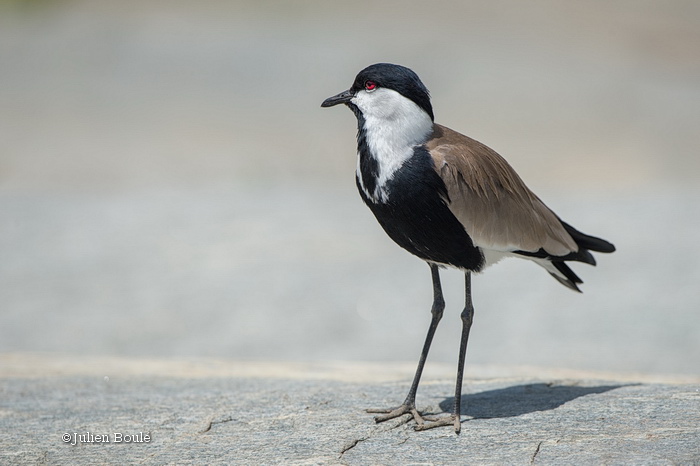
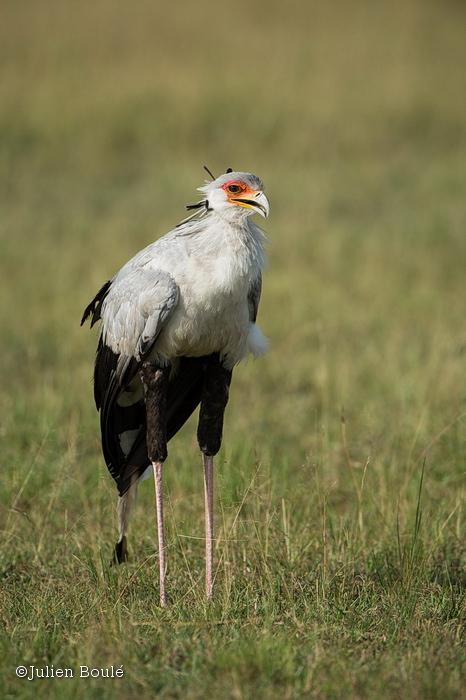
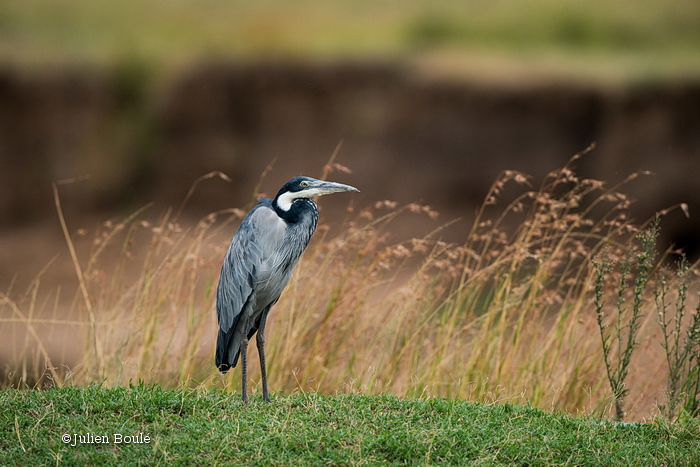







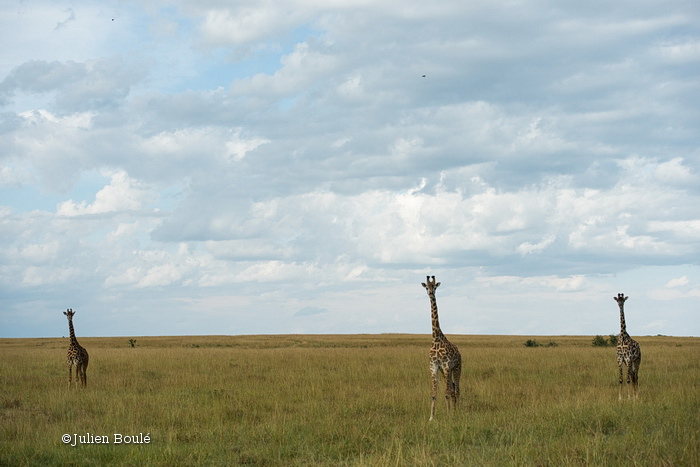



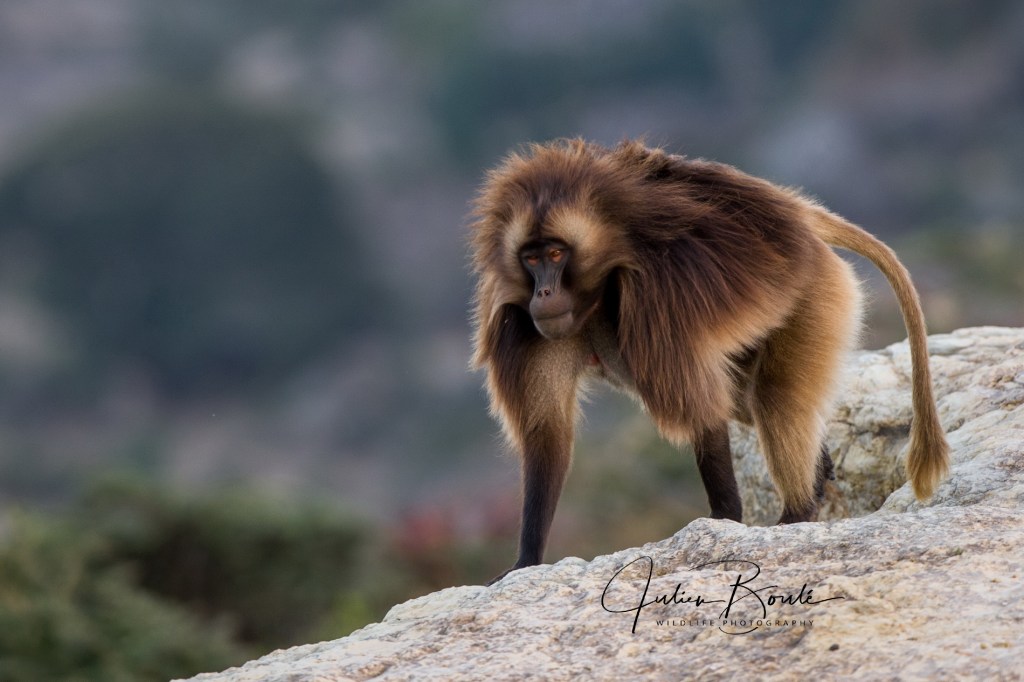


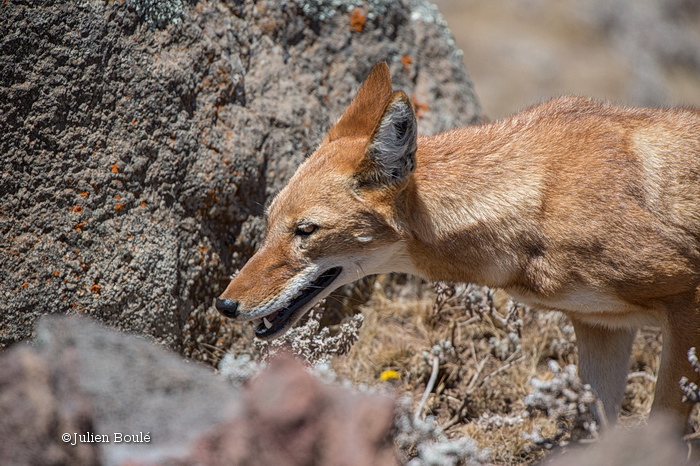
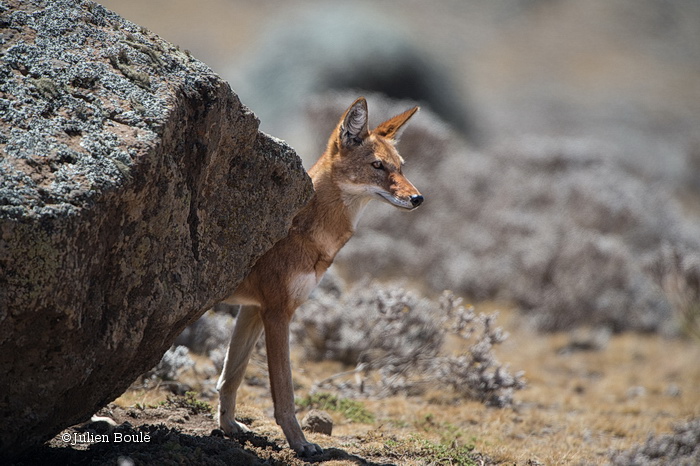
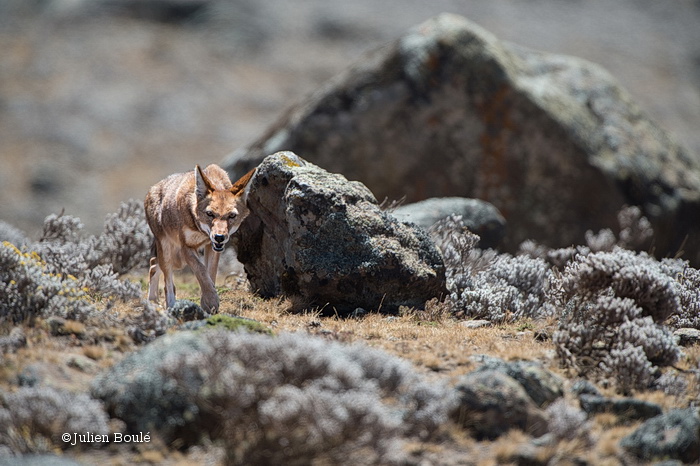
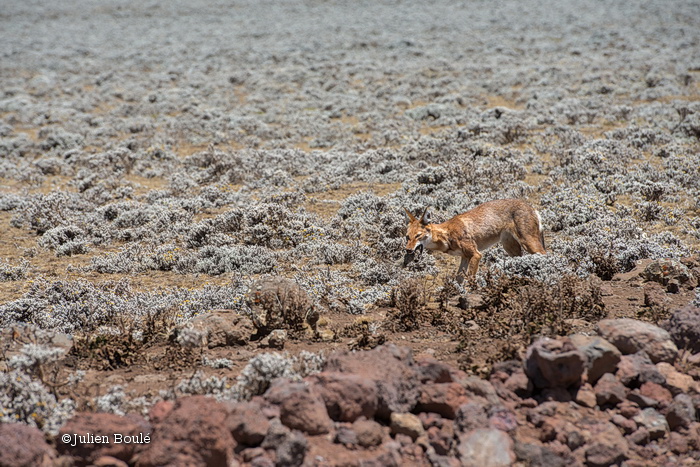
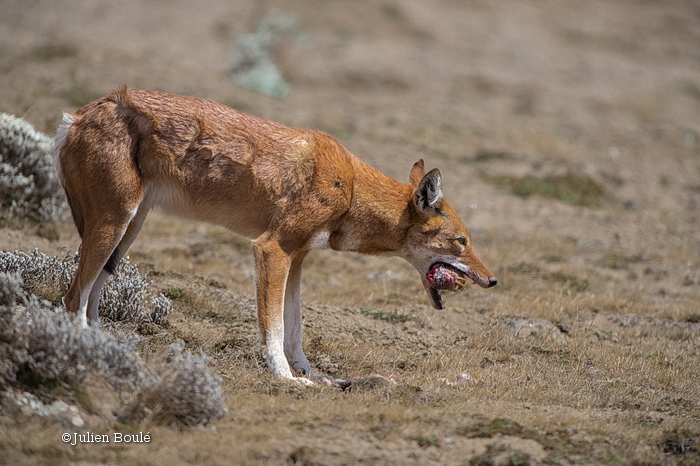
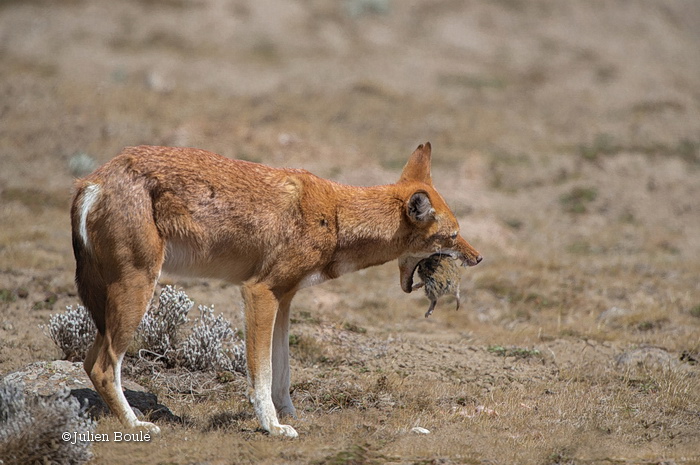

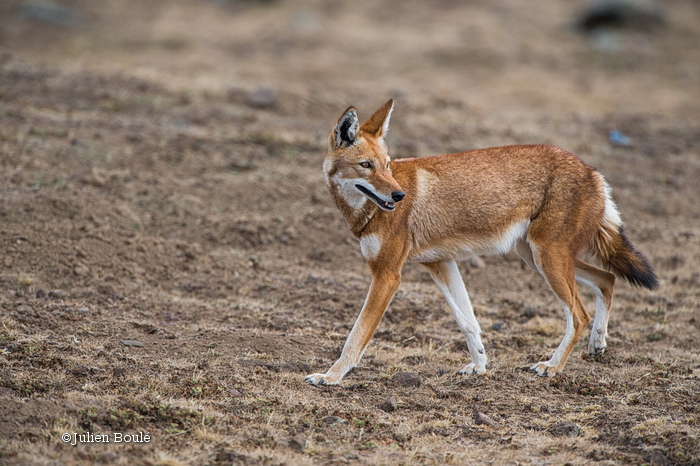
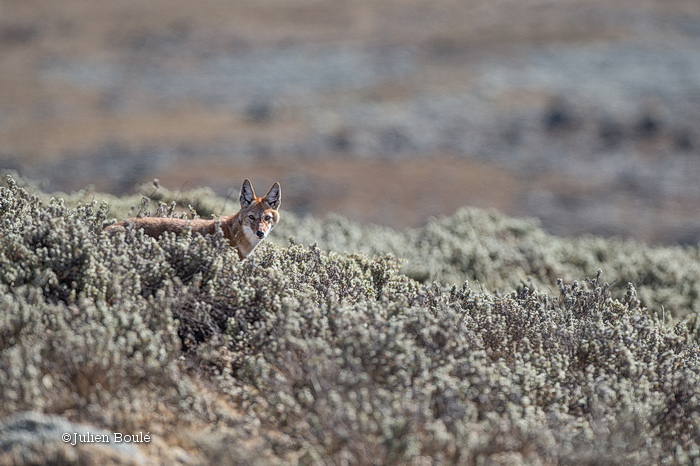


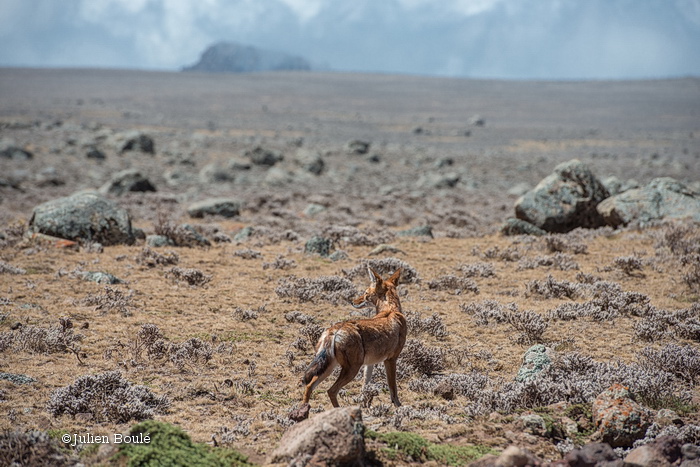


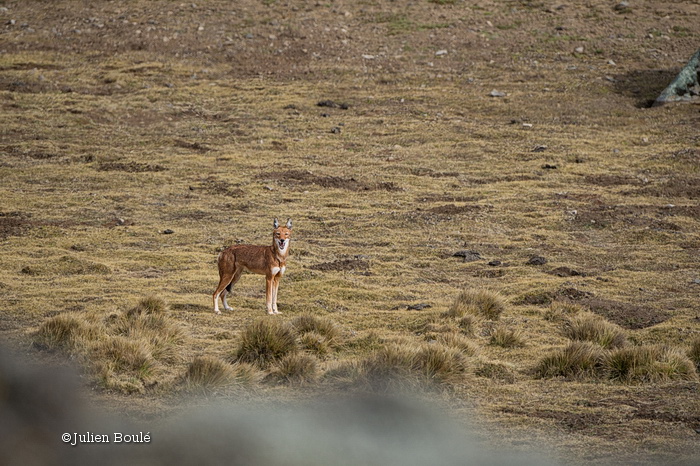
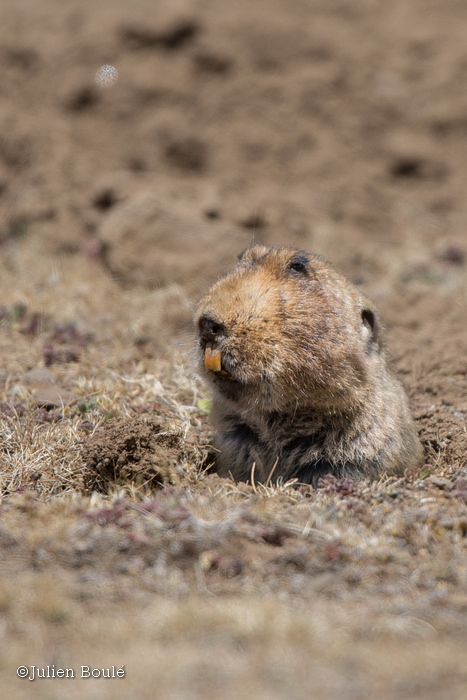
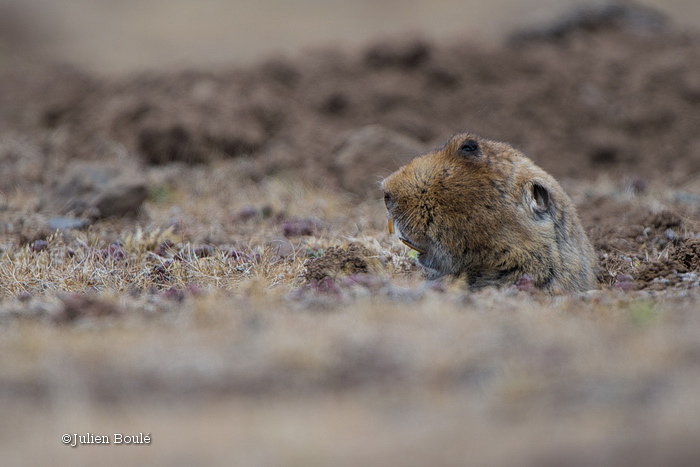
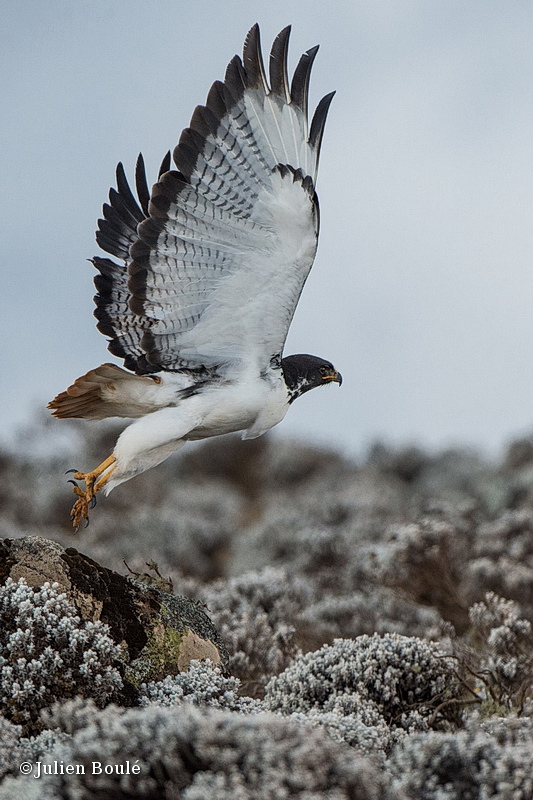




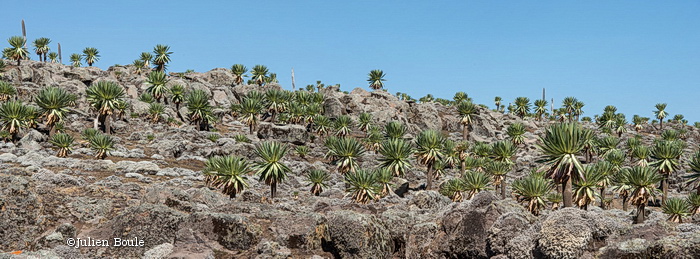


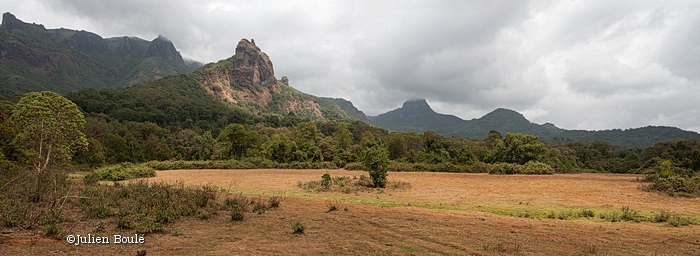
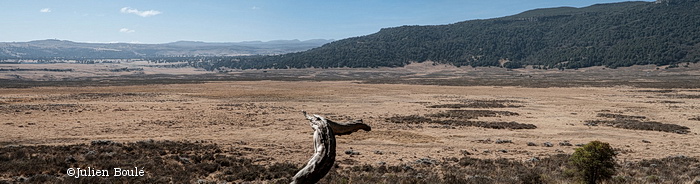


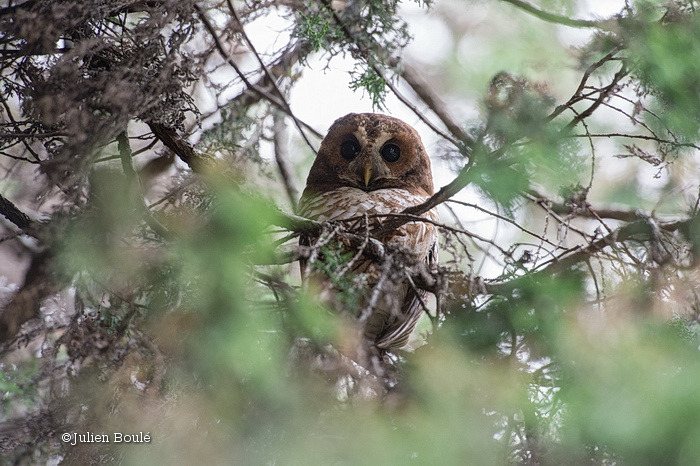


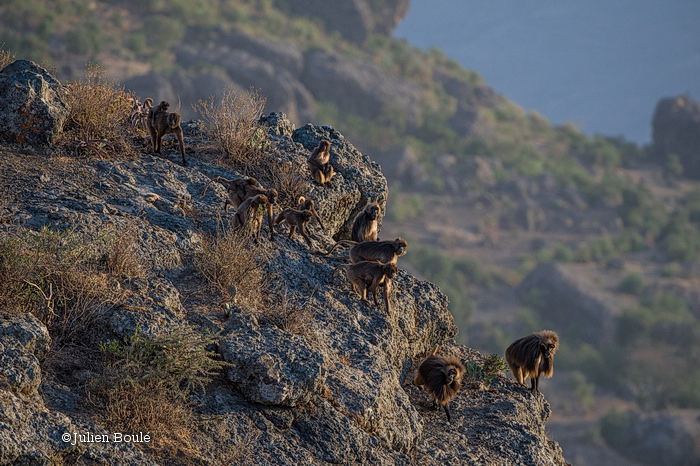
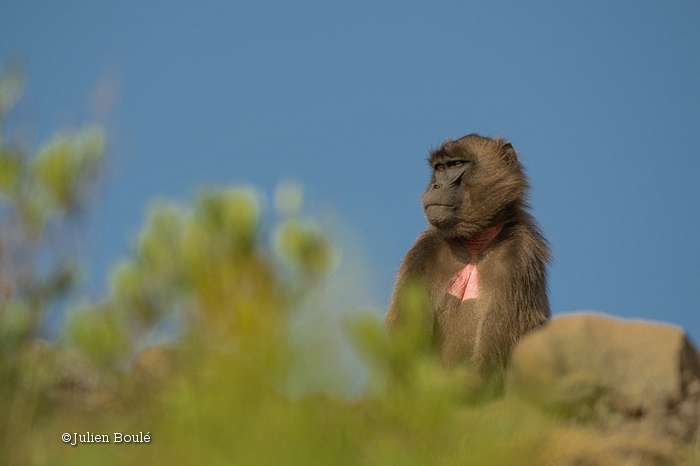
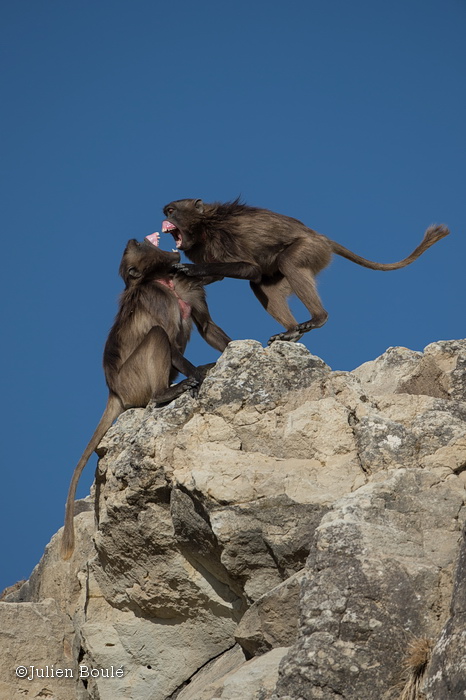
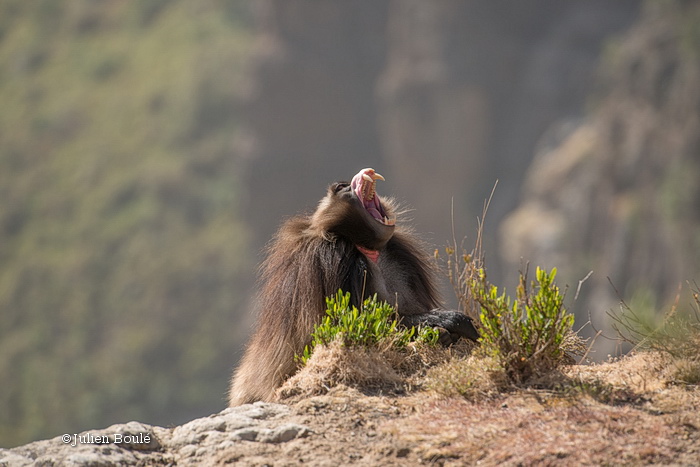
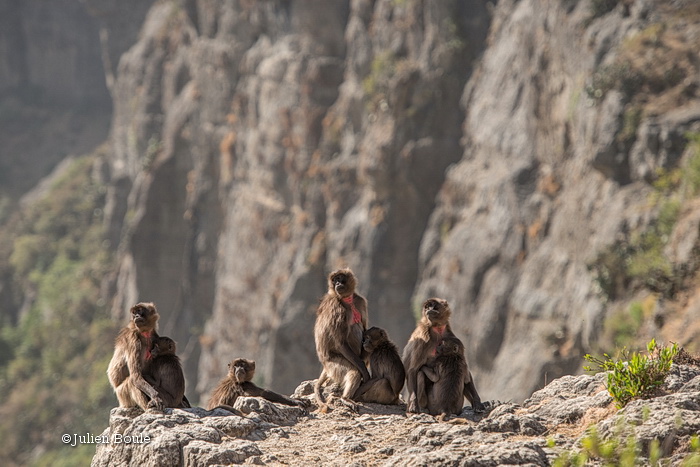
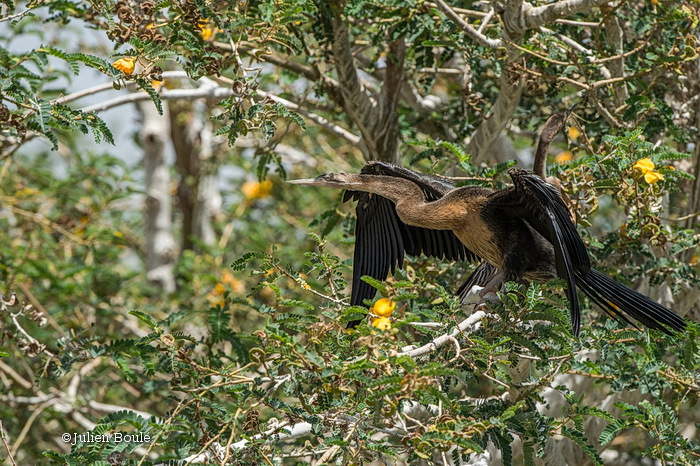


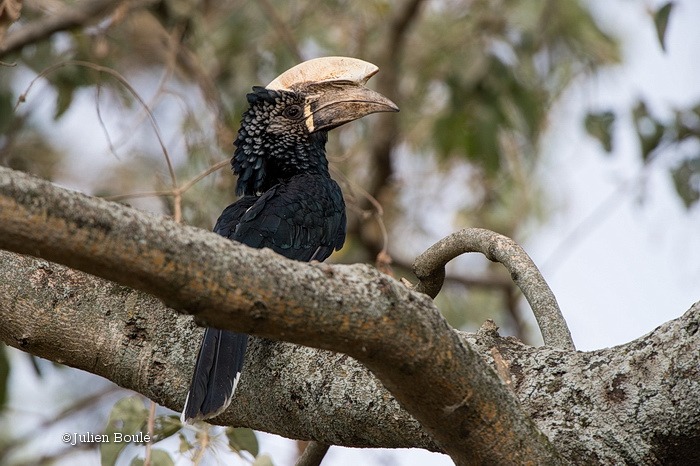


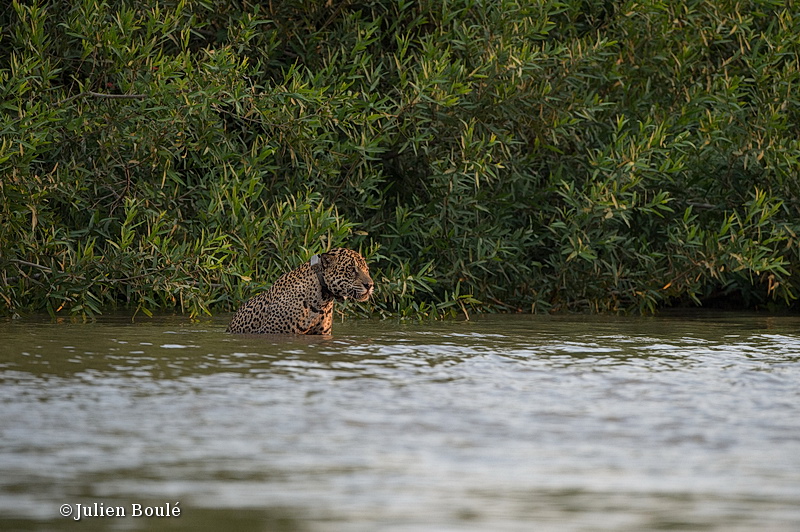
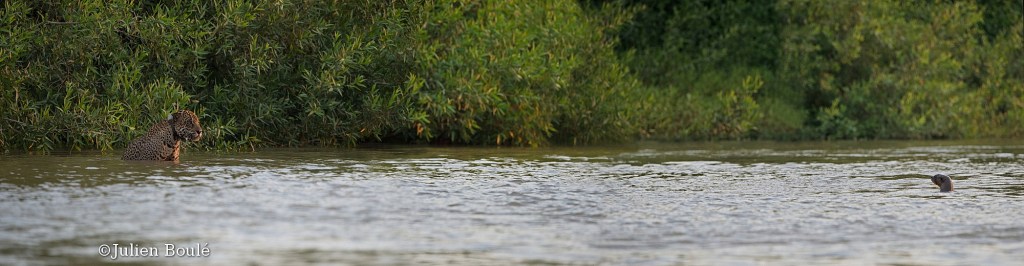


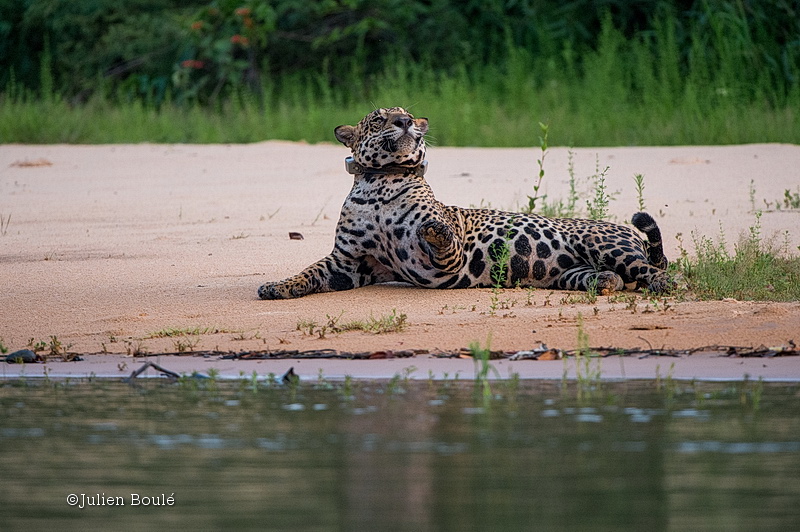


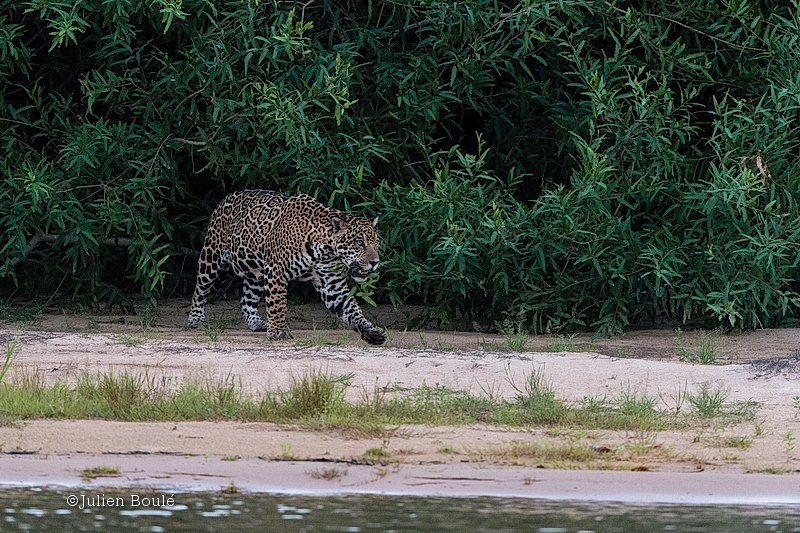
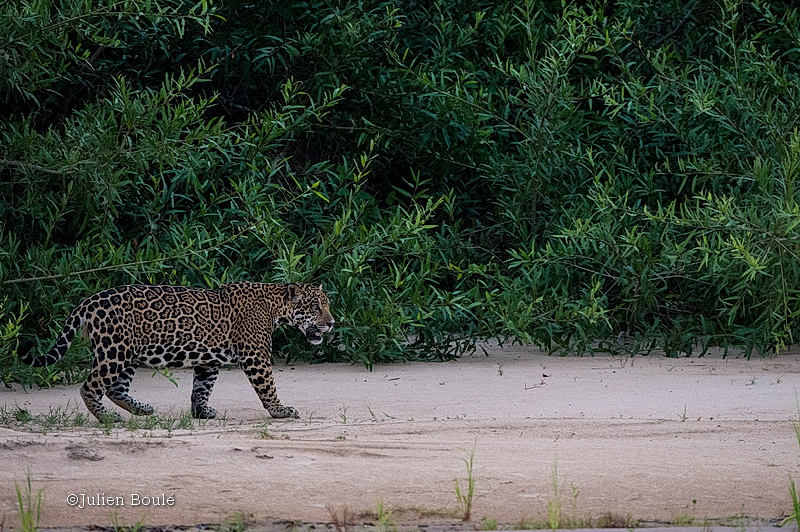

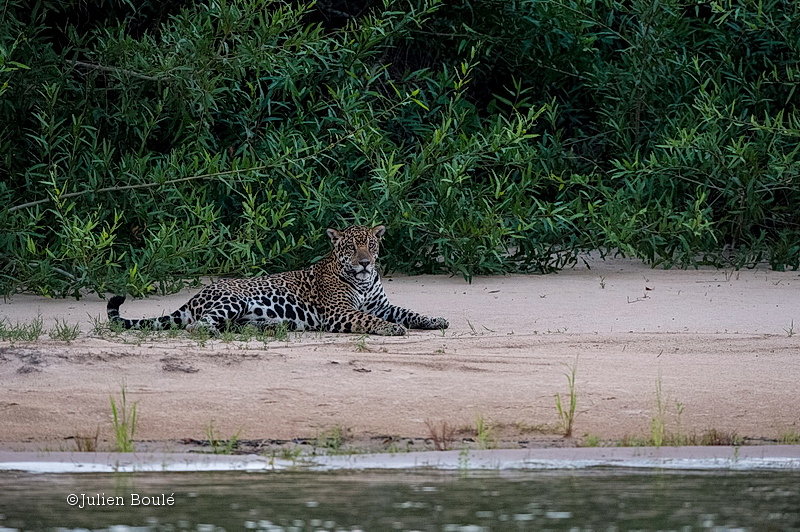


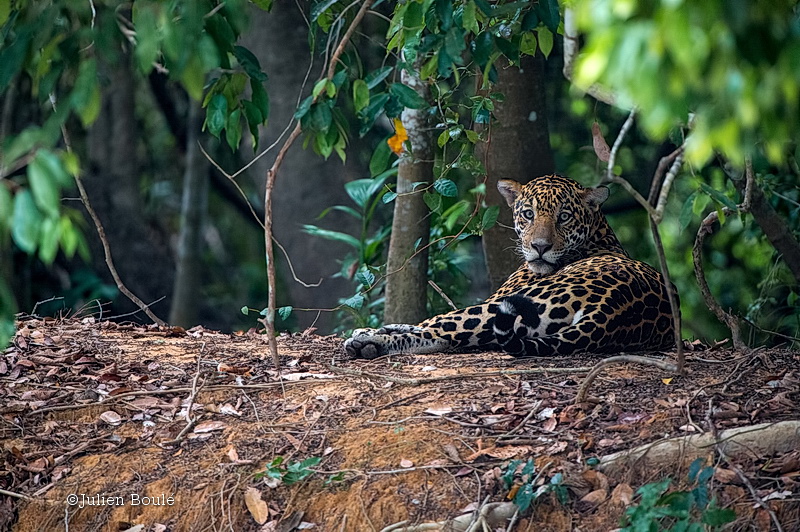
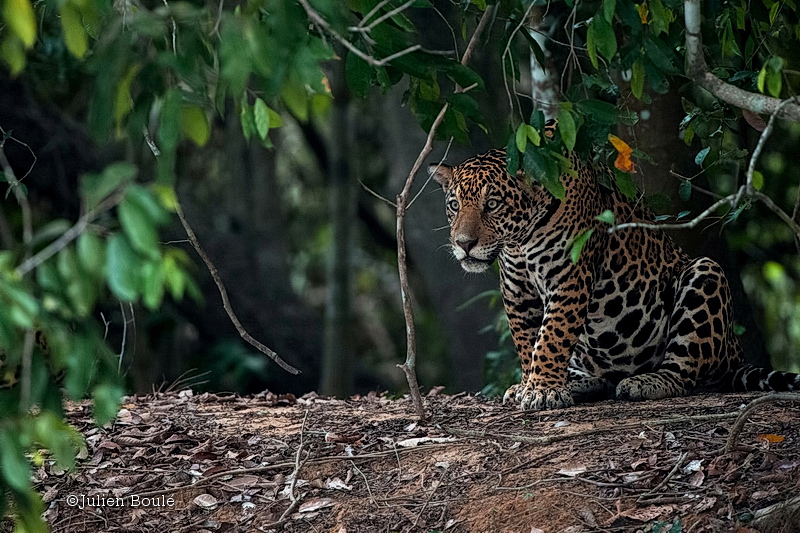


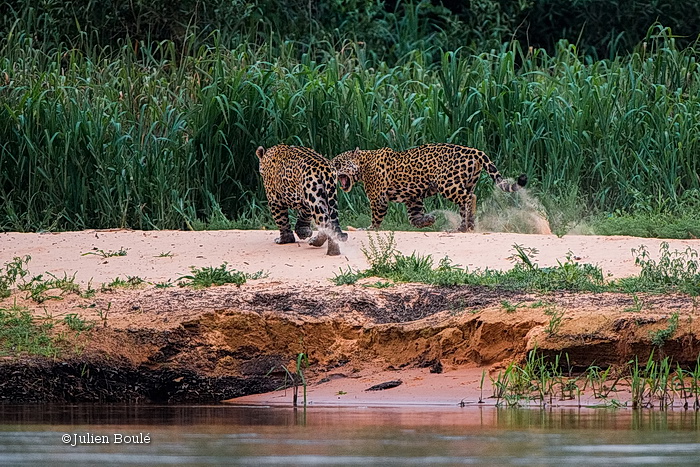


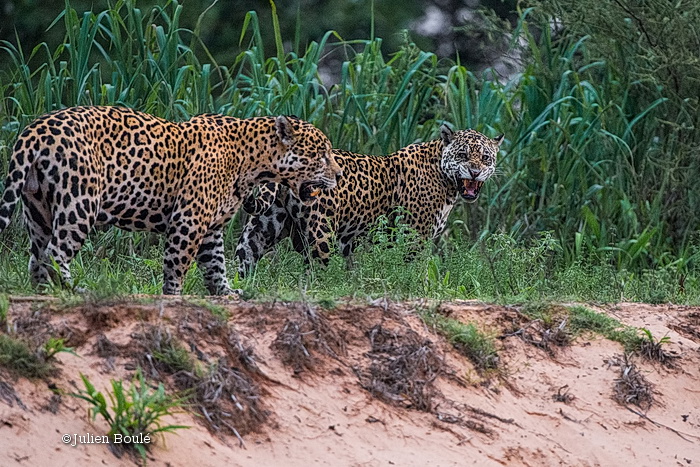
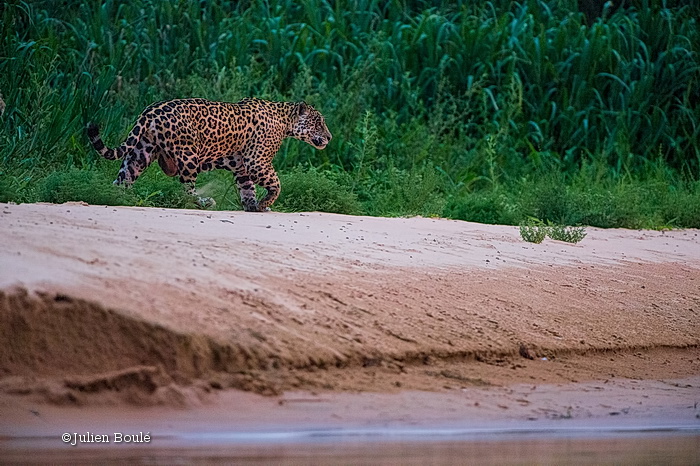

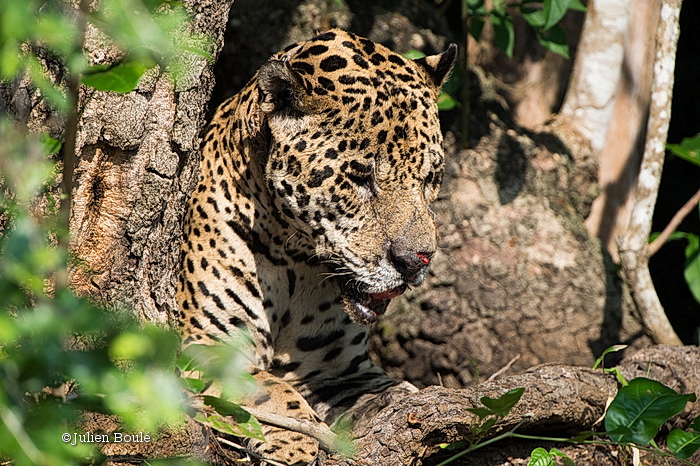


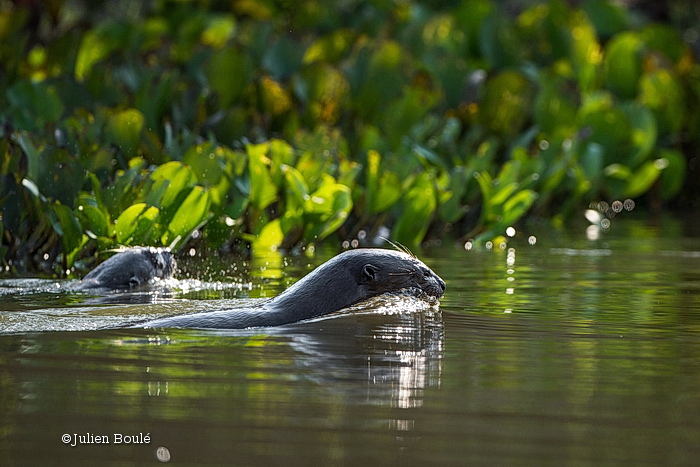

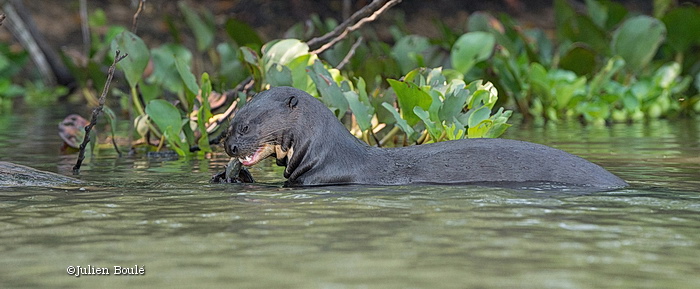

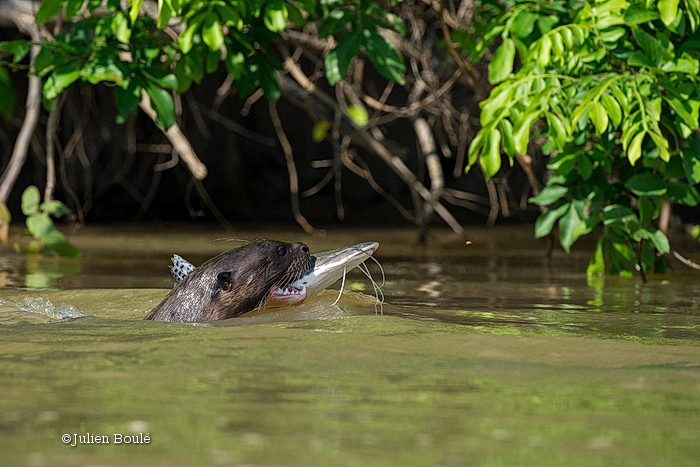

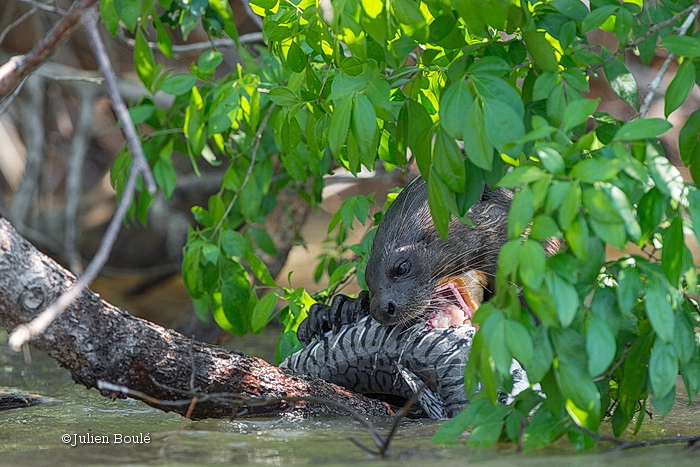


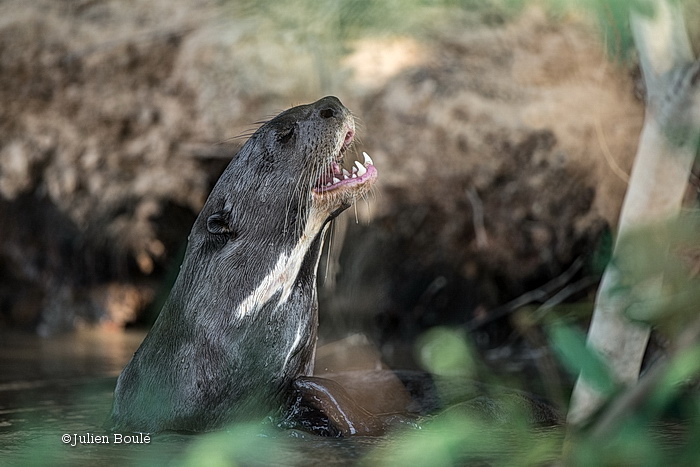
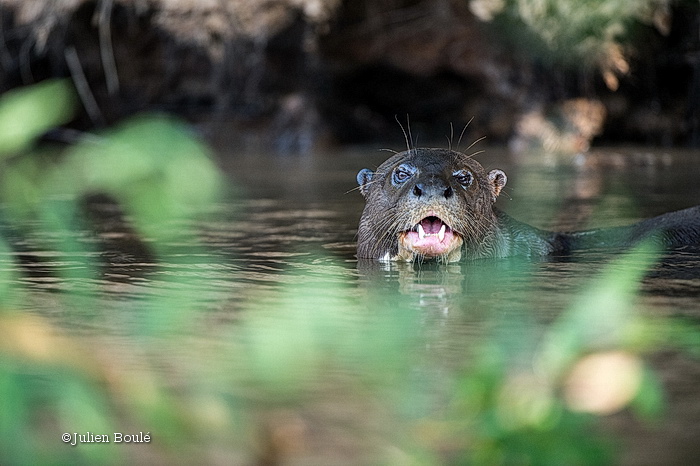

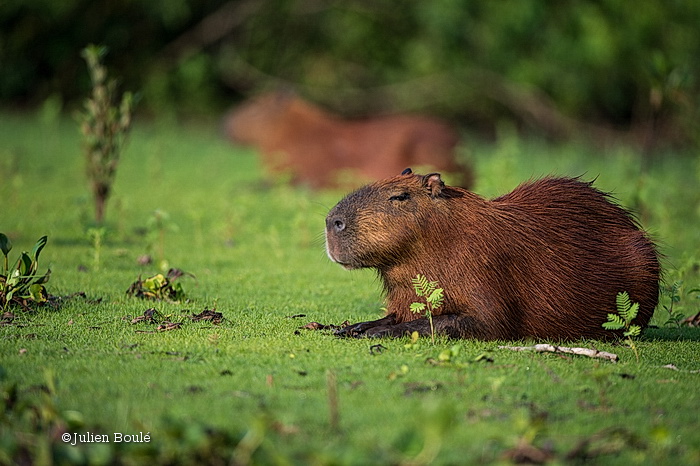
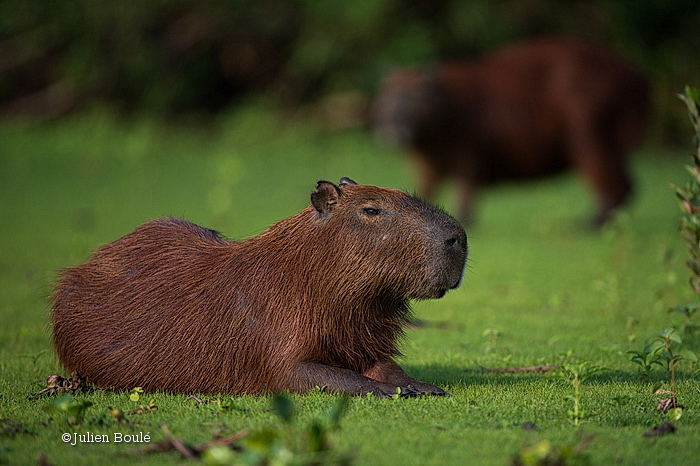

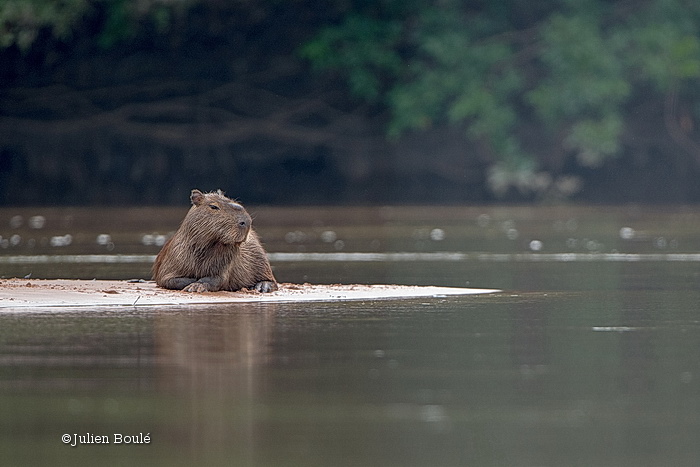


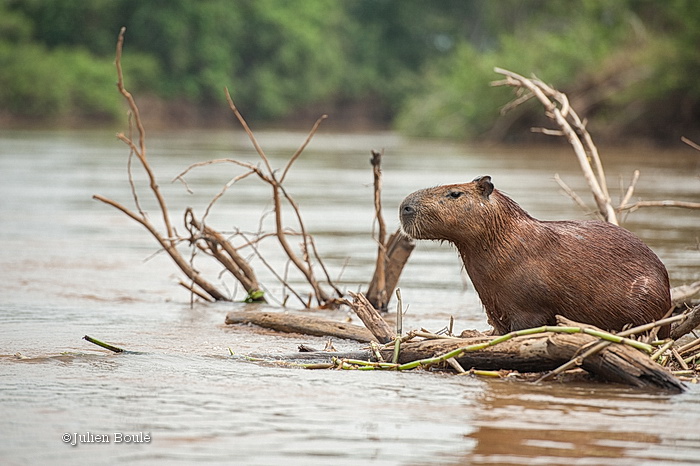


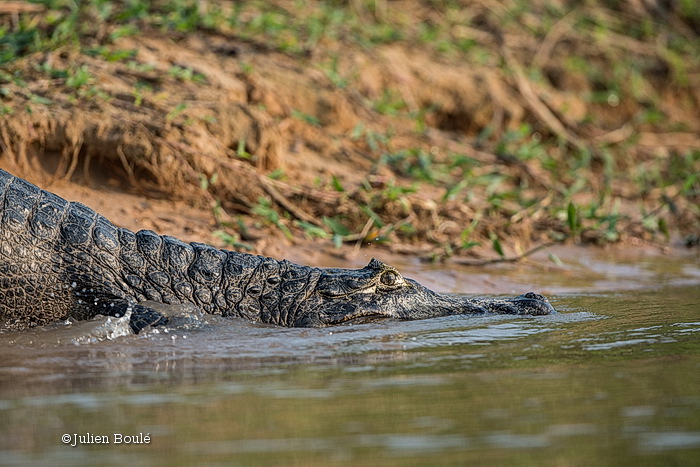

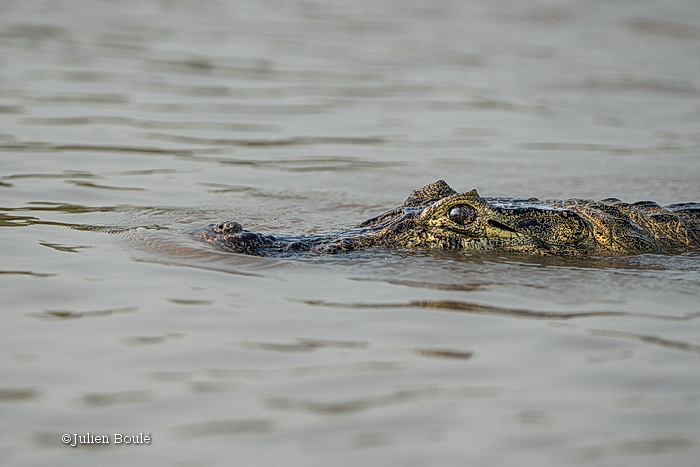


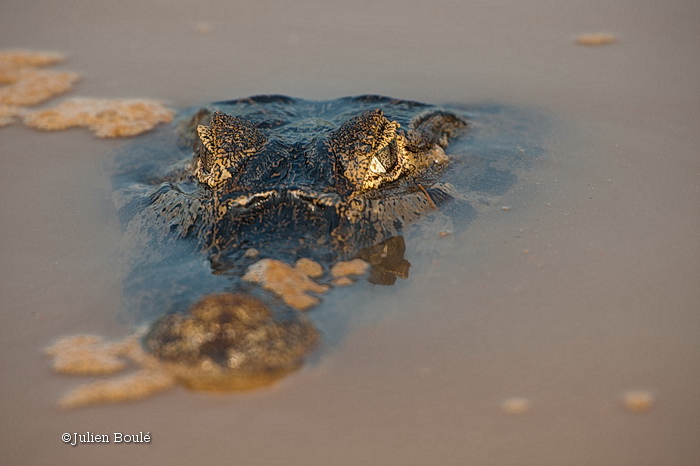

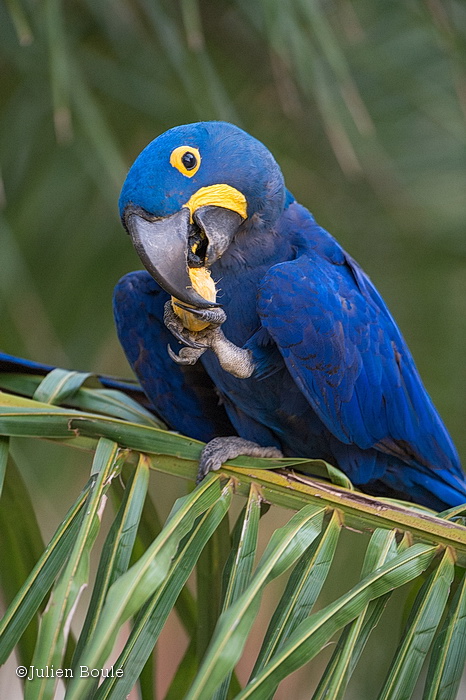


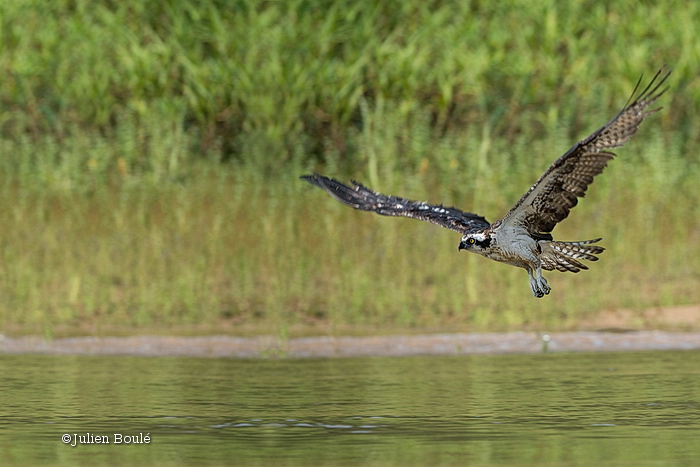
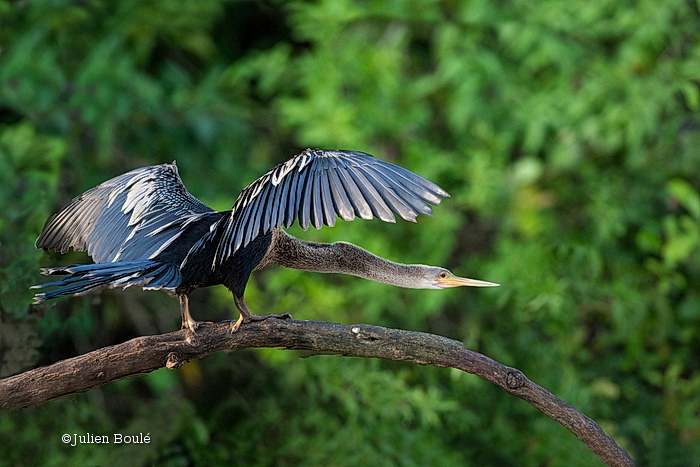


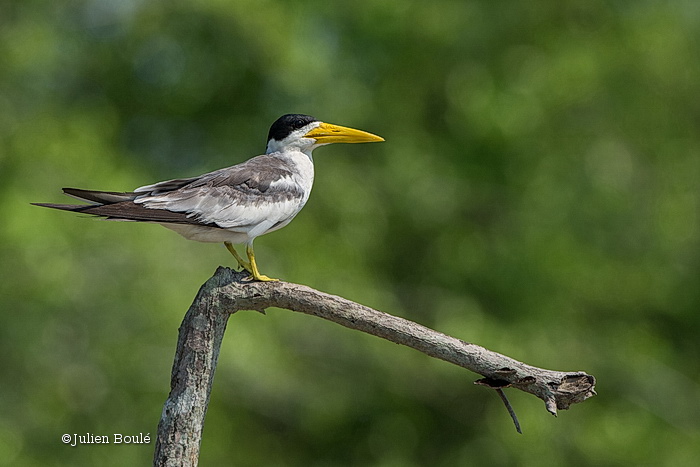
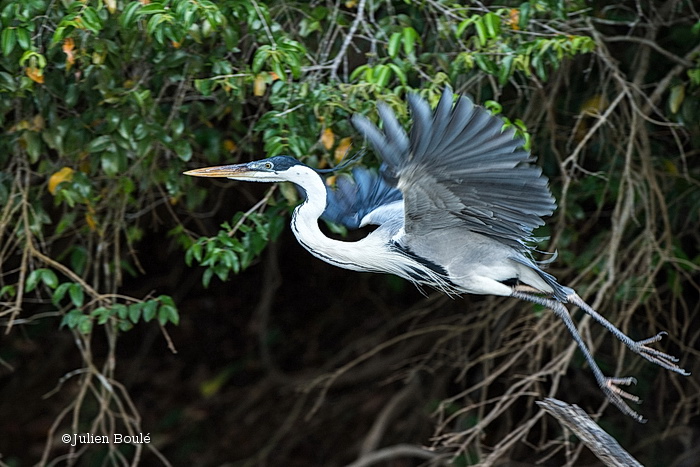


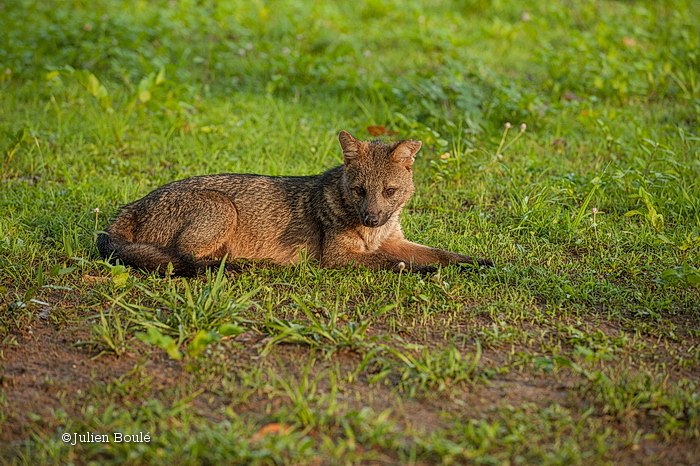
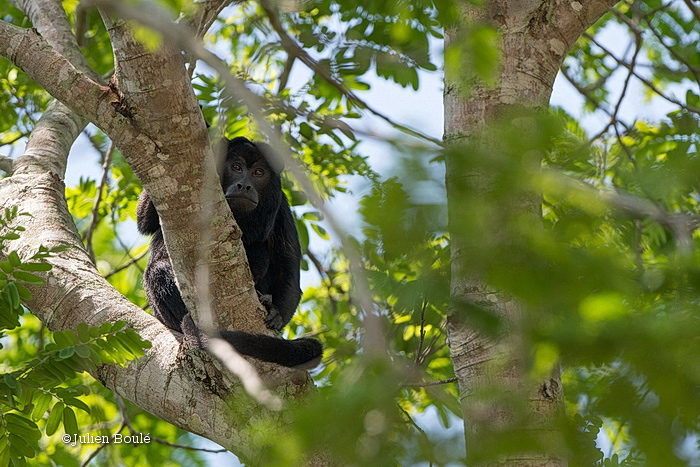
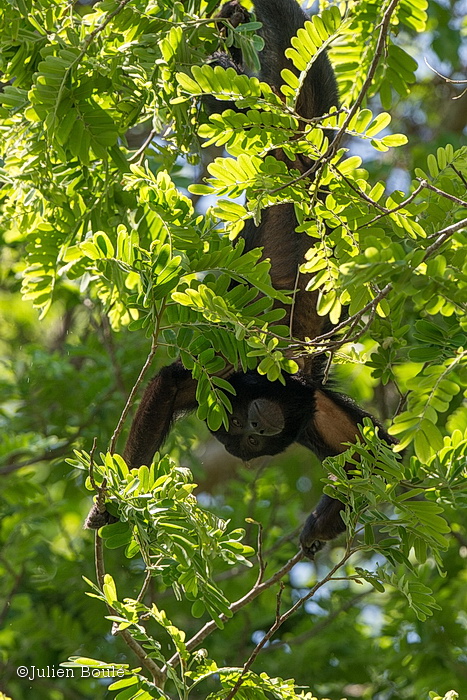

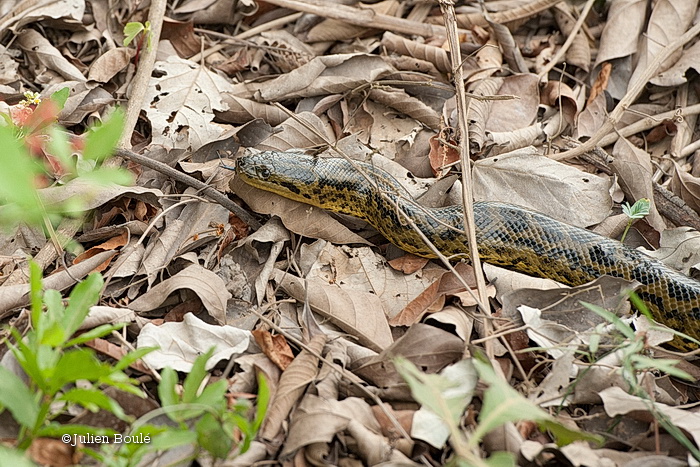


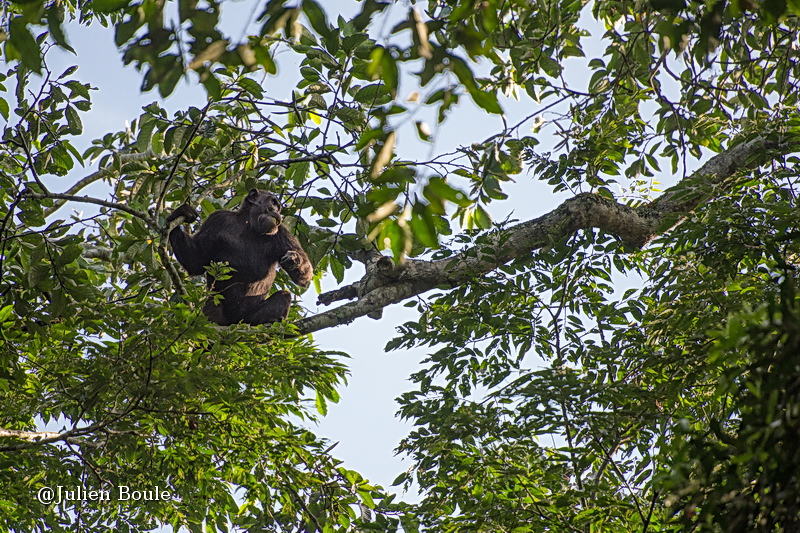


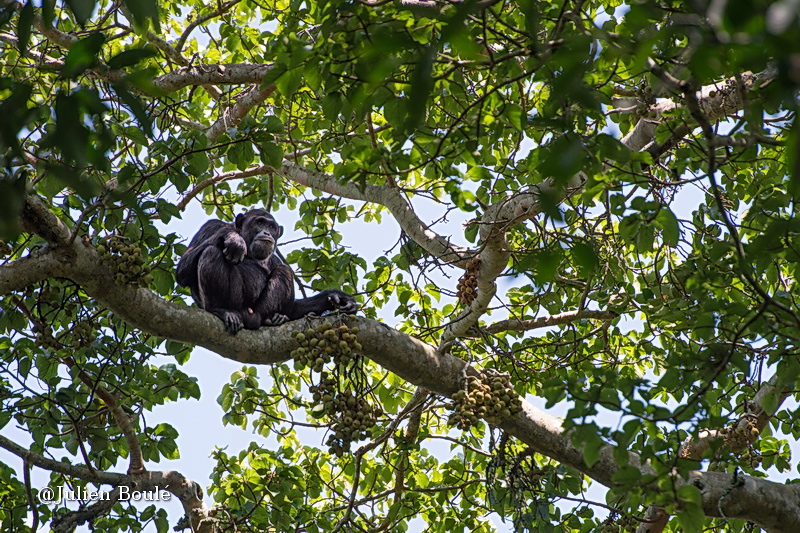
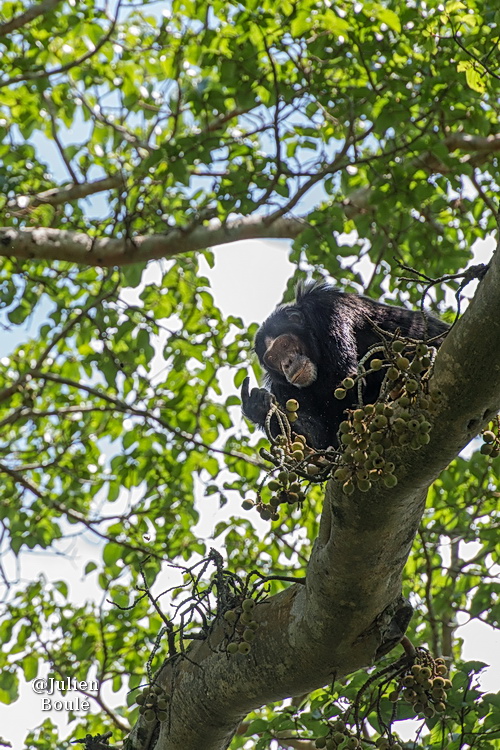


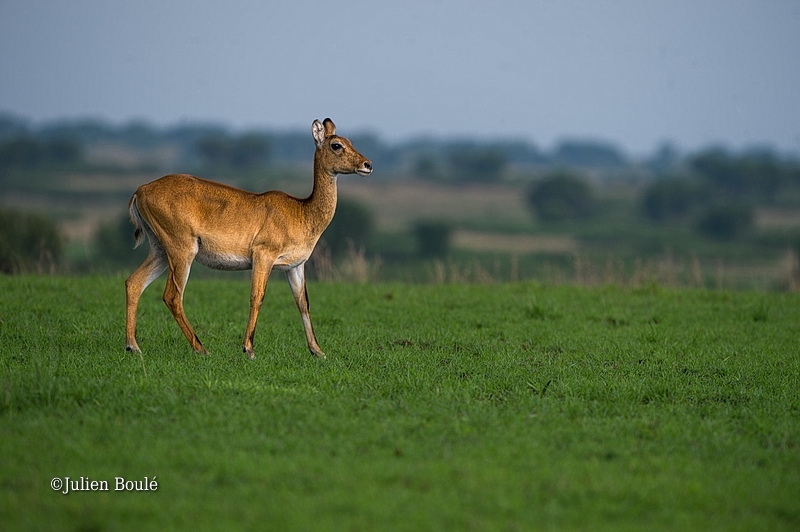


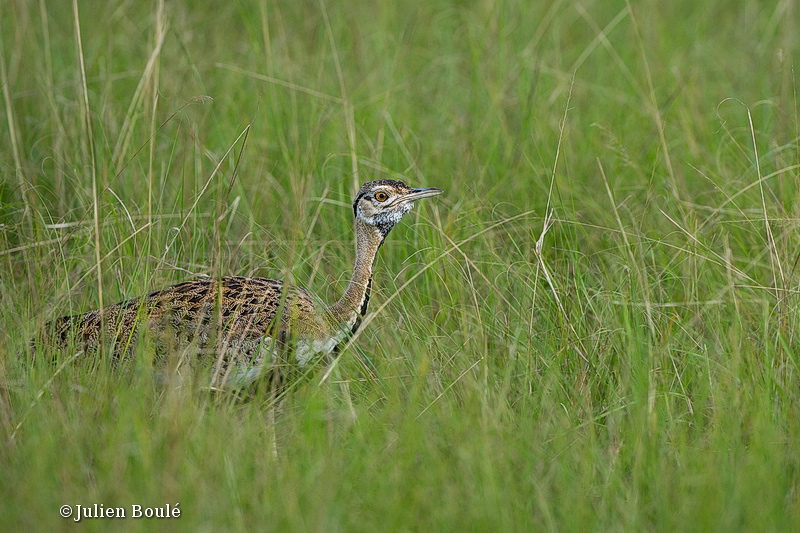


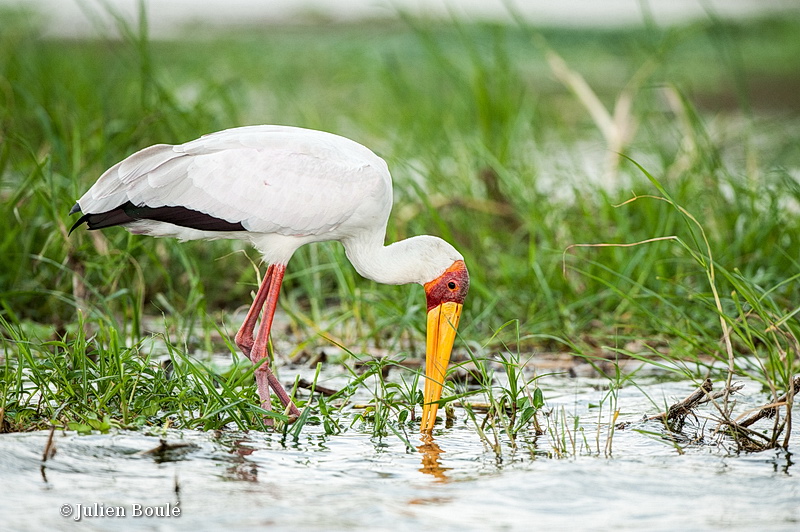


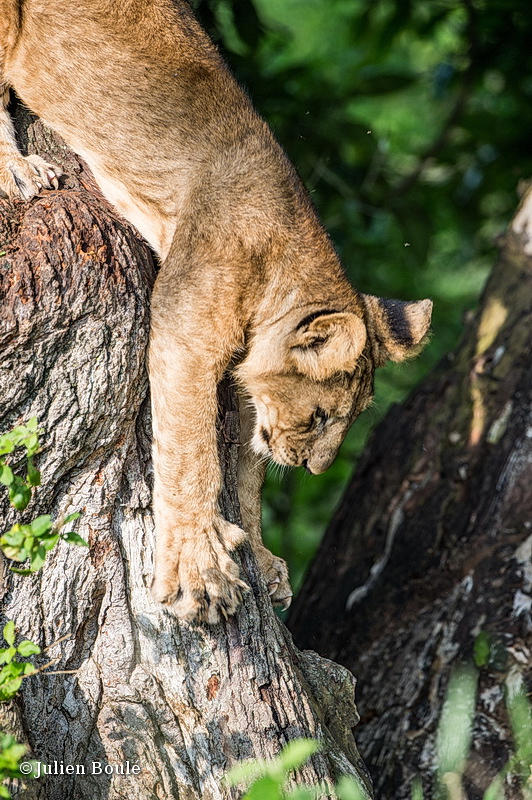


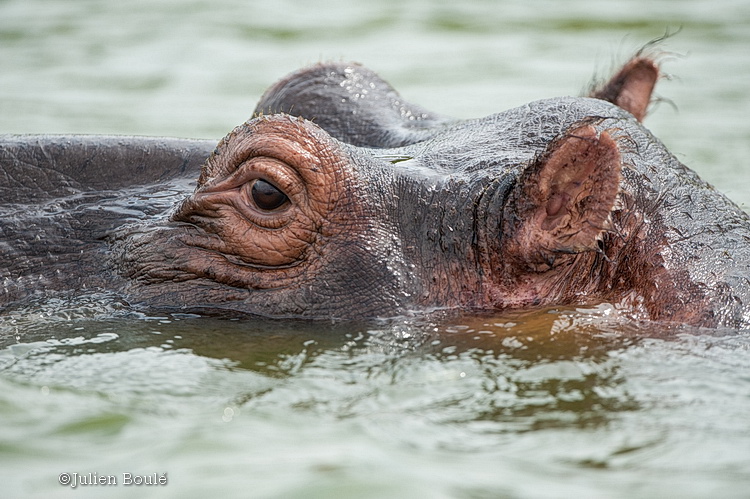

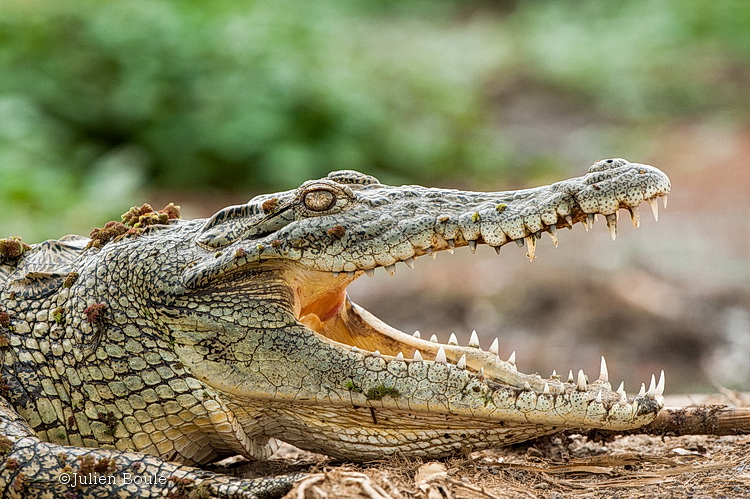


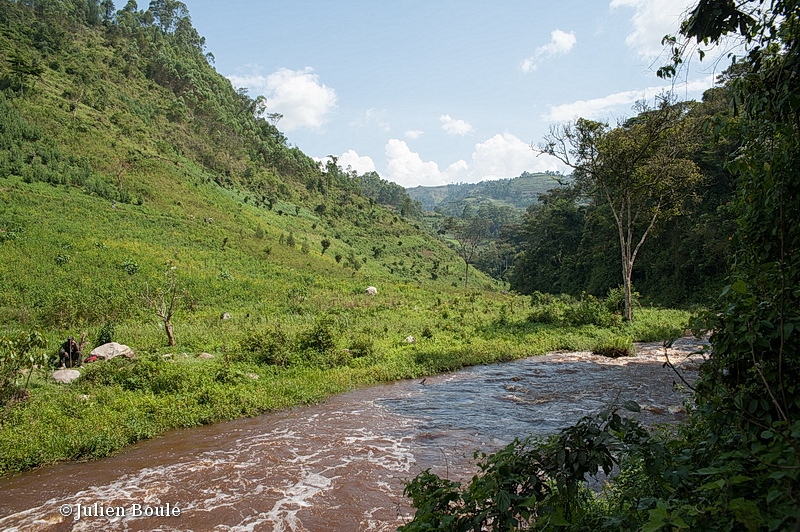


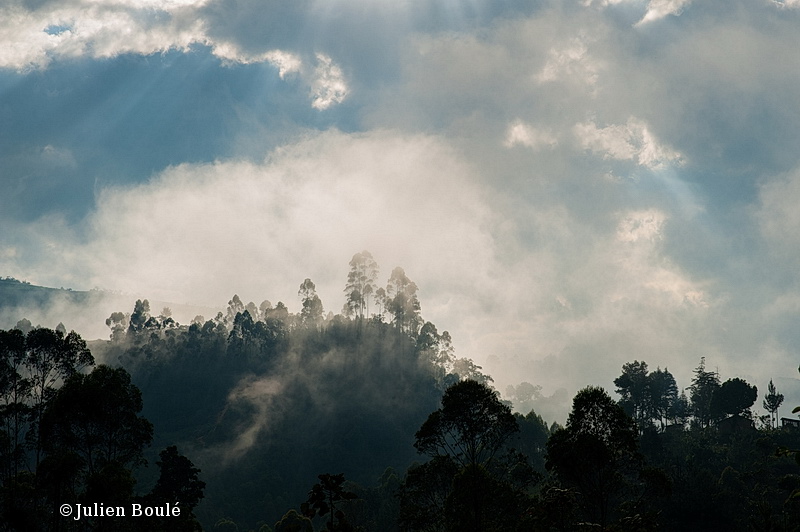
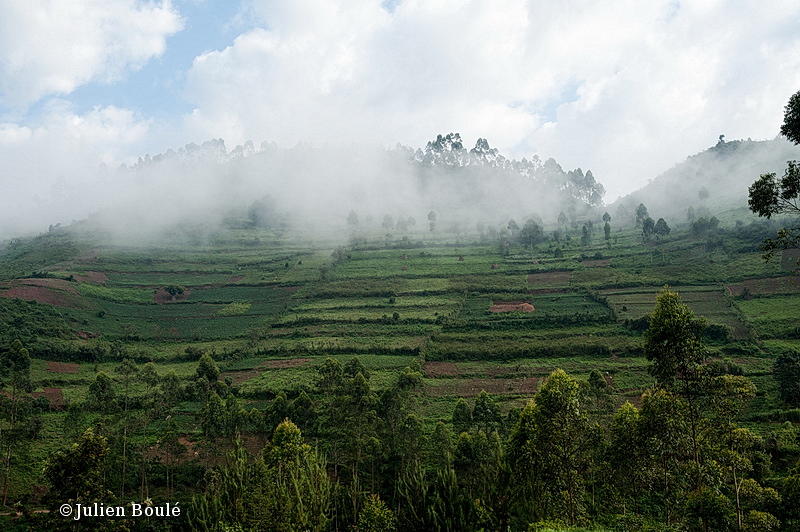

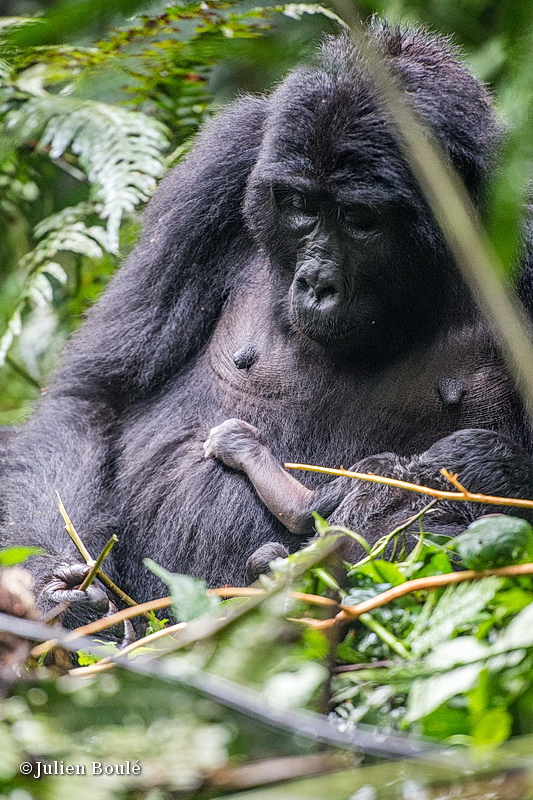
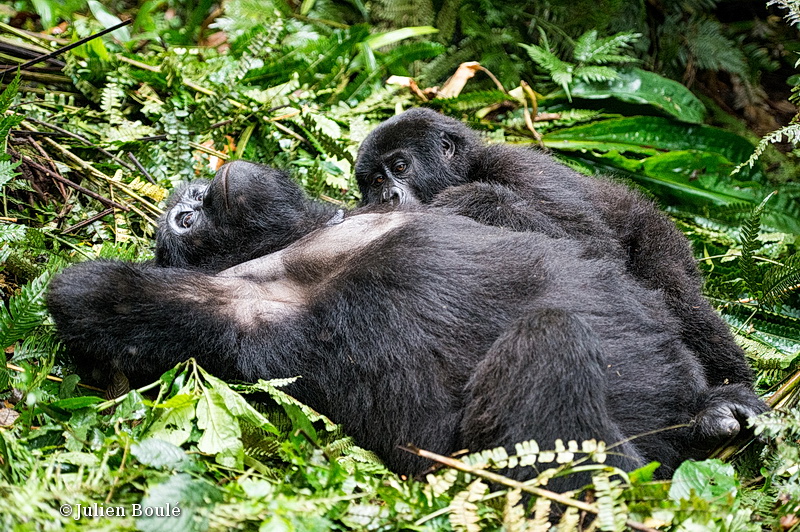

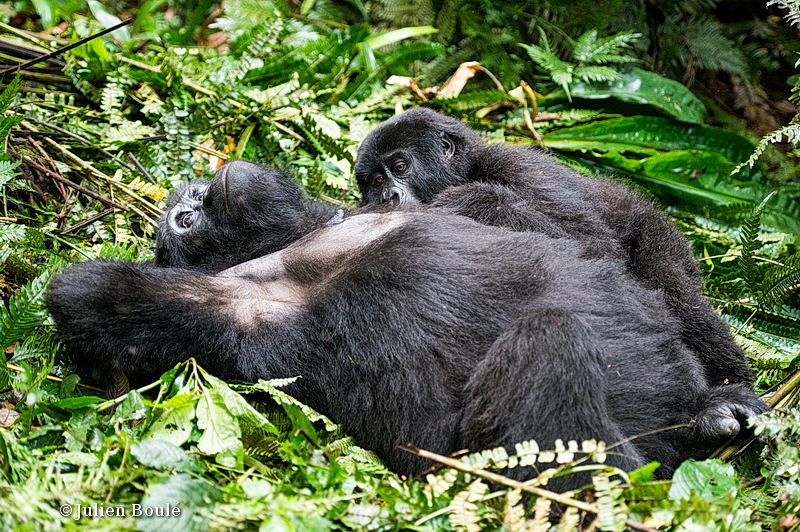
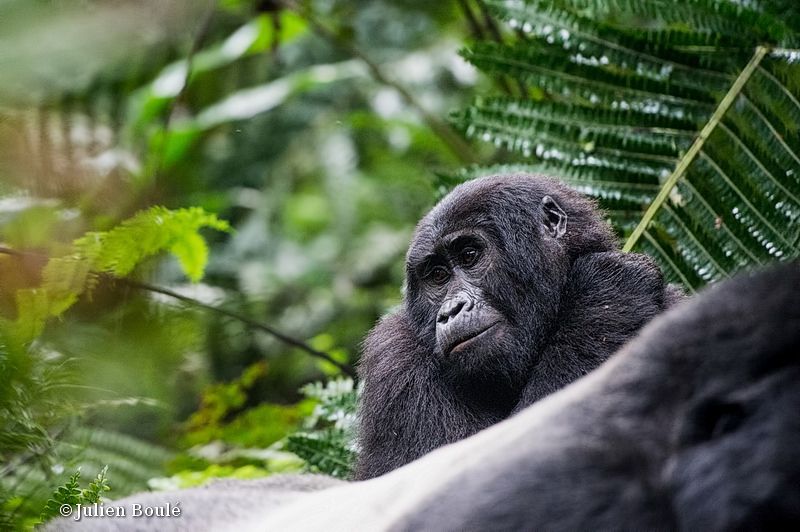


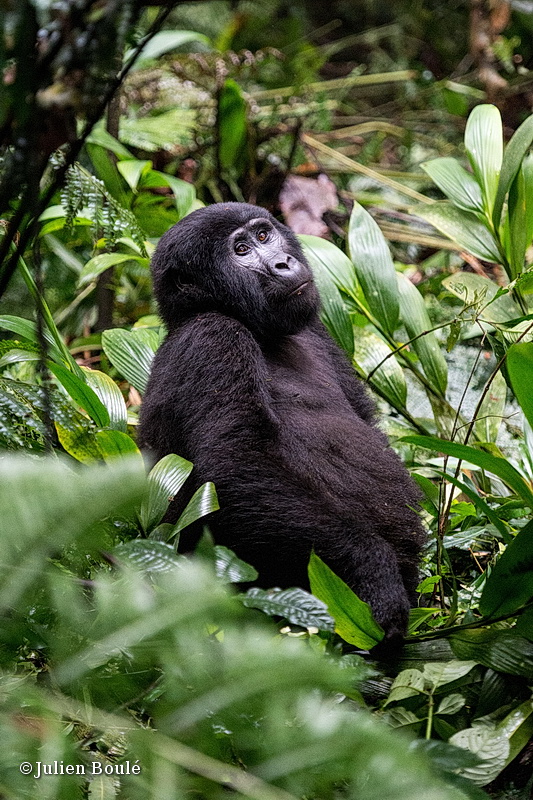
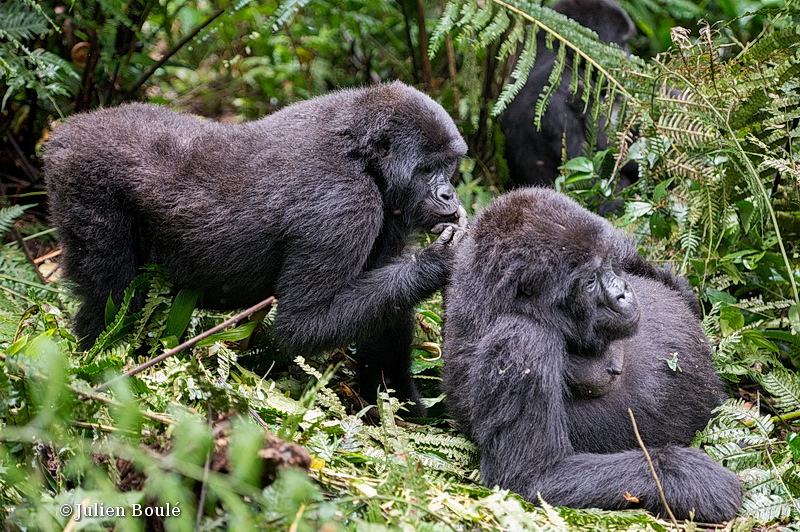
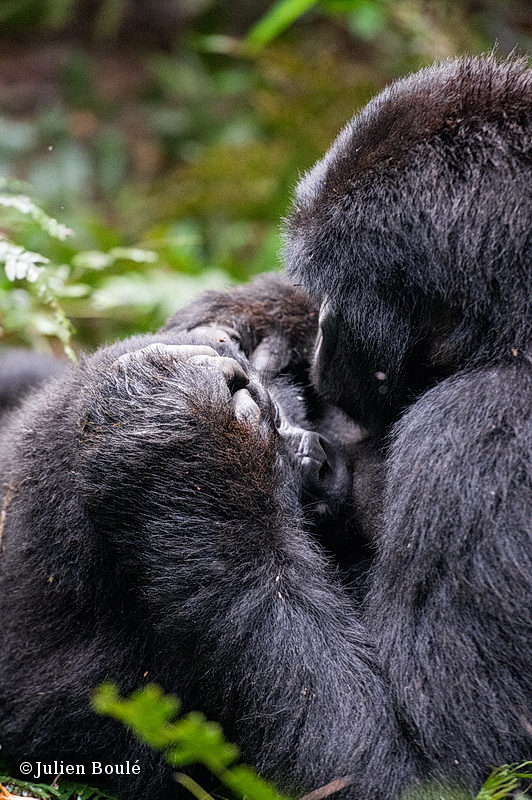








 Julien Boulé Wildlife Photography